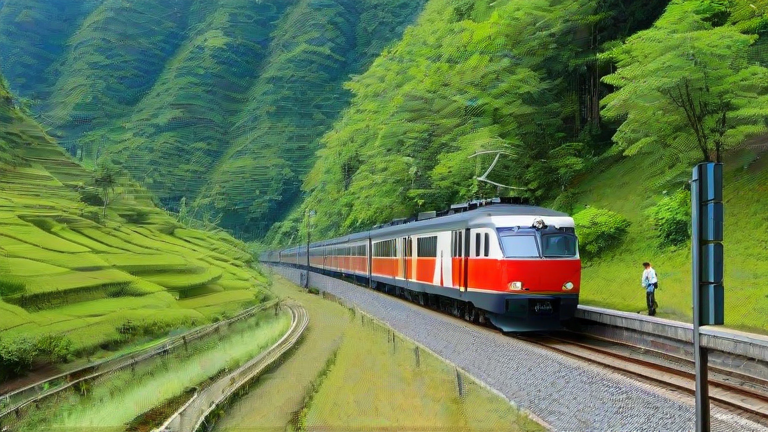
TL;DR: Rail-first travel and slow itineraries are surging as travelers trade short flights for multi-day train journeys with fewer stops and longer stays. New night trains, high-speed corridors, and unified booking platforms are making this style practical, affordable, and increasingly mainstream.
Why Rail-First Is Gaining Momentum
Europe’s night-train revival is the clearest signal. Operators including ÖBB, Nightjet, European Sleeper, and Snälltåget have added or extended routes linking Amsterdam, Berlin, Vienna, Copenhagen, and Stockholm, with sleeper and couchette capacity expanding year over year. In parallel, high-speed corridors such as France’s TGV network, Spain’s Renfe AVE, and Italy’s Frecciarossa continue to cut journey times between city centers, making rail competitive with short-haul flights on routes under roughly 500 kilometers.
If you want to dig deeper, check out our guide on Wearable Tech Predicts Cardiac Events With High Accuracy.
What Slow Itineraries Look Like in Practice
Slow itineraries typically span 7–14 days with two to four base cities, using regional and night trains to connect them. Travelers prioritize sleeper cabins (often 2–4 berths), flexible rail passes, and luggage-light packing. Booking platforms like Trainline, Omio, and Rail Europe now aggregate cross-border inventory, while Interrail and Eurail passes remain popular for multi-country trips. Seat reservation systems, real-time delay alerts, and digital tickets have removed much of the friction that once made multi-leg rail planning daunting.
Industry Impact
Airlines are responding with rail partnerships—Lufthansa’s Express Rail and similar Air France and KLM programs swap short flights for train segments—while rail operators invest in rolling stock and onboard connectivity. Hotels near major stations report stronger midweek demand, and tourism boards are marketing “rail trails” and car-free regional routes. The shift also supports sustainability goals: rail emits far less CO₂ per passenger-kilometer than short-haul aviation, giving corporate travel managers a measurable lever for emissions targets.
FAQ
Q: Is rail-first travel more expensive than flying?
A: Not always. Budget regional fares and rail passes can undercut flights once baggage fees and airport transfers are included, though last-minute sleeper cabins cost more.
Q: How far ahead should I book night trains?
A: Book sleeper and couchette cabins 1–3 months ahead, especially on popular routes like Amsterdam–Berlin or Vienna–Venice, which sell out during peak season.
Q: Can slow itineraries work outside Europe?
A: Yes. Japan, India, Canada, and the U.S. offer long-distance rail routes suited to slow travel, though cross-border booking is less unified than in Europe.
Leave a Reply