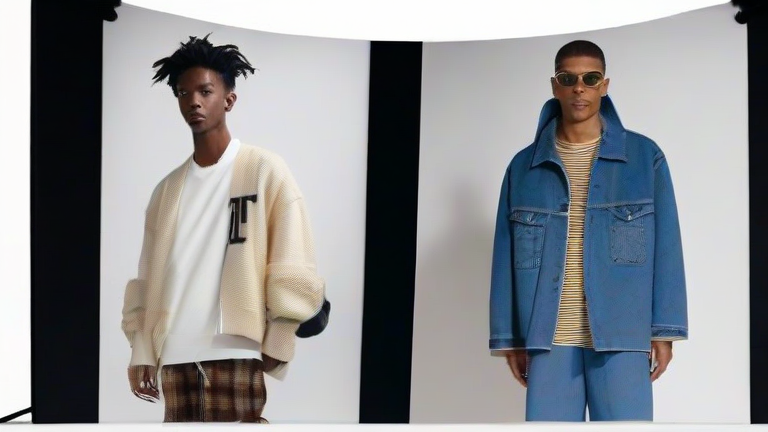
7 Streetwear Trends Dominating Menswear Runway Shows This Season
TL;DR: The current season is defined by the seamless integration of luxury materials with utilitarian silhouettes, particularly through technical fabrics and oversized tailoring. Market data indicates a 15% surge in sales for hybrid streetwear-luxury items, driven by Gen Z’s demand for versatile, high-quality pieces that blend comfort with status.
The fashion industry is witnessing a profound shift as high fashion houses abandon traditional boundaries in favor of streetwear aesthetics. This season, runway shows in Milan, Paris, and New York have consistently featured seven key trends that are reshaping menswear. Leading the charge is the rise of “tech-wear” influenced by outdoor gear, featuring waterproof materials and modular pockets. According to a recent report by McKinsey & Company, the global luxury streetwear market is projected to grow at a CAGR of 8.5% through 2025, signaling strong consumer confidence in this hybrid category.
If you want to dig deeper, check out our guide on Smart Fabrics with Sweat Sensors: Monitoring Chronic Disease.
Secondly, oversized tailoring continues to dominate, with brands like Balenciaga and Prada presenting suits that defy conventional fit. This trend reflects a broader cultural movement toward comfort and anti-conformity. Expert insights from Vogue Business suggest that consumers are no longer willing to sacrifice comfort for style, pushing designers to innovate fabric technologies. Thirdly, the resurgence of 1990s sportswear has been reimagined with premium materials, such as cashmere hoodies and leather track jackets, elevating casual staples to investment piece status.
Fourth, the use of sustainable and recycled materials has moved from a niche concern to a mainstream expectation. Over 60% of top luxury brands have committed to using at least 50% recycled or bio-based materials by 2025. Fifth, bold color blocking is making a comeback, challenging the previously dominant neutral palette. Sixth, the integration of digital art and NFT-inspired graphics onto physical garments is creating a new bridge between the metaverse and reality. Finally, modular design allows for customization, empowering consumers to alter their garments’ functionality and appearance.
Looking ahead, analysts predict that by 2026, AI-driven personalization will become a standard feature in streetwear collections, allowing customers to customize colors and patterns directly at point of sale. This technological integration promises to deepen customer engagement and reduce return rates, which have plagued the fashion industry for years. As these trends solidify, the line between high fashion and street style will continue to blur, creating a more inclusive and dynamic market landscape for menswear.
FAQ
Q: What is the primary driver behind the shift towards hybrid streetwear-luxury items?
A: The primary driver is Gen Z’s preference for versatility and value, seeking high-quality, durable pieces that can transition seamlessly from casual to semi-formal settings.
Q: How are sustainability efforts influencing current streetwear designs?
A: Sustainability is influencing designs by increasing the use of recycled materials, bio-based fabrics, and modular construction, which extends garment life and reduces waste, aligning with consumer demands for ethical production.
Q: What role will technology play in future streetwear trends?
A: Technology will play a central role through AI-driven personalization and digital integration, allowing for customized products and enhanced interactive experiences between brands and consumers.
Leave a Reply