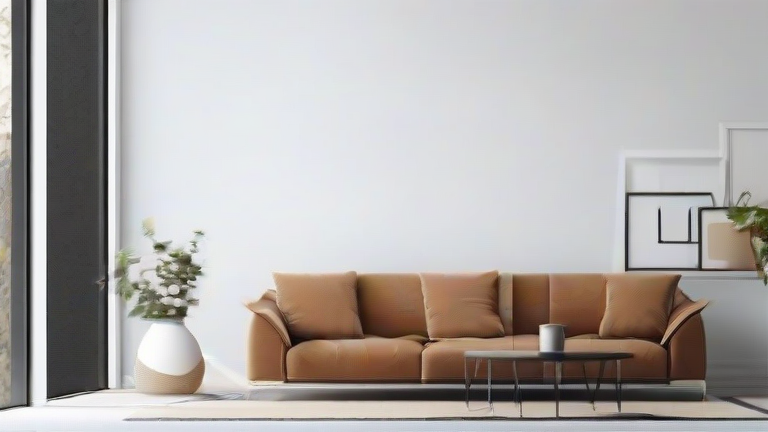
TL;DR: Adopting minimalist habits like the one-in-one-out rule and digital detoxing reduces physical clutter while simultaneously lowering mental noise. These ten simple shifts foster a deeper appreciation for quality over quantity, leading to a more peaceful and intentional lifestyle.
The Power of Less in a Busy World
In an era of constant connectivity and consumerism, the modern home often becomes a repository for stress rather than a sanctuary of rest. Minimalism is not about living with nothing; it is about making room for what matters. By intentionally curating your surroundings and habits, you create space not just on your shelves, but in your mind. Here are ten habits that bridge the gap between a tidy home and a clear head.
If you want to dig deeper, check out our guide on **Top Creator Economy Trend: Consolidation Around Video-Firs.
First, implement the “one-in, one-out” rule. Every time you purchase a new item, commit to removing an old one. This prevents accumulation and forces you to be mindful of your needs versus wants. Second, embrace the concept of “functional beauty.” Choose items that serve a purpose and look good. A single high-quality vase is more impactful than a cluttered shelf of cheap decor. Third, organize your digital life. Just as physical clutter distracts, so does digital noise. Delete unused apps, unsubscribe from marketing emails, and clear your desktop. A clean screen promotes mental clarity.
Fourth, designate a “landing zone” for incoming items. Keys, mail, and packages should have a specific spot immediately upon entry. This prevents the gradual chaos of items being dropped on counters or tables. Fifth, practice the fifteen-minute rule. If you are deciding whether to keep something, give it fifteen minutes of attention. If it does not bring you joy or utility, let it go. This prevents decision fatigue and hoarding tendencies.
Sixth, create a no-clutter zone in your bedroom. Keep this space free of work items, electronics, and clothes. This signals to your brain that it is time to rest. Seventh, cook from scratch using whole ingredients. Preparing simple, healthy meals reduces packaging waste and encourages a slower, more mindful relationship with food. Eighth, read less but read better. Instead of hoarding books you may never finish, curate a small library of works that deeply resonate with you. This applies to culture as well; attend fewer events but engage more deeply with them.
Ninth, maintain a “donation box” in a closet. When it is full, donate the contents immediately. This keeps the cycle of letting go continuous rather than a yearly chore. Tenth, spend time in nature. Being outdoors resets your perspective. The vastness of the natural world often makes the small clutter in our lives seem insignificant, fostering a sense of calm and proportion. These habits are not about deprivation; they are about liberation. By removing the excess, you allow your true self to emerge, unburdened by the weight of unnecessary possessions and distractions.
FAQ
Q: Is minimalism only for people who live in small apartments?
A: No, minimalism is a mindset that benefits anyone regardless of square footage. It focuses on intentionality and reducing excess, which is valuable in any living space.
Q: How do I handle sentimental items I don’t want to throw away?
A: Consider creating a single “memory box” for truly irreplaceable items. For others, digitize photos or create a journal entry about the memory, allowing you to let go of the physical object while keeping the sentiment.
Q: Can these habits actually improve my mental health?
A: Yes, reducing visual and digital clutter has been shown to lower cortisol levels and reduce anxiety. A more organized environment supports a more organized mind, leading to improved focus and reduced stress.
Leave a Reply