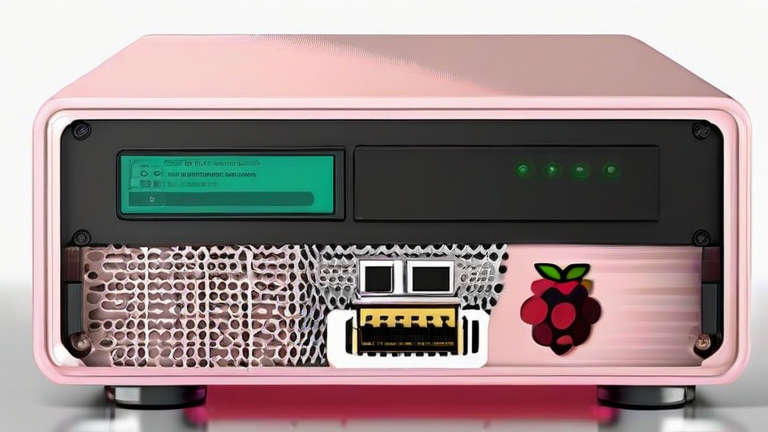
Why the Raspberry Pi 5 Is the Best Home Server for Beginners
TL;DR: The Raspberry Pi 5 offers a perfect balance of raw power, energy efficiency, and simplified setup, making it an ideal entry point for home automation. Its enhanced cooling and power delivery eliminate common beginner pitfalls, ensuring a stable and low-maintenance server experience.
The home server market has long been dominated by complex, high-power solutions that intimidate casual users. However, the recent release of the Raspberry Pi 5 has shifted the paradigm, proving that a credit-card-sized board can handle serious network tasks with ease. For beginners, the jump from the Pi 4 to the Pi 5 is not just a minor upgrade; it is a fundamental improvement in usability and performance that removes many of the barriers to entry. The new board features a significantly improved CPU architecture, delivering up to three times the performance of its predecessor. This means that tasks like compiling code, running multiple Docker containers, or managing a home media library are now smooth and responsive. Beginners no longer have to worry about their server becoming a bottleneck when trying to stream 4K content or manage a busy smart home network.
If you want to dig deeper, check out our guide on Best College Backpacks: Why My SwissGear Failed.
Key Specifications and Improvements
The technical specifications of the Raspberry Pi 5 are tailored to address the specific needs of a home server environment. The board now includes a dedicated power management chip, which allows it to accept power through the USB-C port or a new 40-pin GPIO header. This flexibility is crucial for beginners who may not be comfortable with complex wiring. Furthermore, the inclusion of a dedicated 5V 5A power supply ensures that the board does not throttle under heavy load, a common issue with previous models when connected to multiple peripherals. The dual-band Wi-Fi 5 (802.11ac) and Bluetooth 5.0 capabilities also provide a wireless option for those who prefer a cleaner desk setup without sacrificing speed. These hardware improvements mean that beginners can focus on software configuration rather than troubleshooting unstable power connections.
Industry Impact and Latest Developments
The industry impact of the Raspberry Pi 5 extends beyond individual users to the broader IoT ecosystem. With the release of new operating systems optimized for server tasks, such as Raspberry Pi OS Lite, the setup process has become remarkably streamlined. The community has responded with a surge of new guides and tutorials, creating a robust support network for newcomers. This ecosystem effect means that beginners are not alone in their journey; they have access to a vast library of pre-configured scripts and software packages. The latest developments in open-source hardware also mean that the Pi 5 is compatible with a wider range of third-party accessories, from case designs to expansion boards. This modularity allows users to start simple and expand their server capabilities over time without needing to replace the entire system. The affordability of the Pi 5, combined with its longevity and community support, makes it a sustainable choice for long-term home infrastructure. By choosing the Pi 5, beginners invest in a platform that will grow with their skills, ensuring that their initial investment remains relevant for years to come. The ease of use and reliability provided by the latest developments make it the undisputed champion for those taking their first steps into the world of home servers.
FAQ
Q: Is the Raspberry Pi 5 difficult to set up for a complete novice?
A: No, the updated operating system and improved power delivery make the initial setup much easier, with many tasks now handled automatically during the first boot process.
Q: Does the Pi 5 require a special power supply to function correctly?
A: Yes, it uses a new 27W USB-C power supply, which is included in the starter kit and prevents performance throttling under heavy server loads.
Q: Can the Raspberry Pi 5 replace a traditional PC for basic server tasks?
A: Yes, for tasks like file storage, media streaming, and network monitoring, the Pi 5 performs similarly to a low-power desktop PC but with significantly lower energy consumption.
Leave a Reply