Blog

  • Digital Wellness Bans Replace Screen Time Limits

    Digital Wellness Bans Replace Screen Time Limits

    TL;DR: Digital wellness bans replace screen time limits by enforcing strict physical and temporal disconnection from devices during specific hours or in designated zones. This proactive approach prioritizes mental clarity and real-world engagement over mere quantitative tracking of usage.

    The Rise of the Digital Sabbath

    For years, we have relied on digital wellbeing features to nag us about our scrolling habits. We set twenty-minute limits for social media and receive weekly reports detailing our “downtime.” Yet, these quantitative measures often fail to address the qualitative erosion of our attention spans. A new cultural shift is emerging, led by conscious travelers and wellness retreats, where the goal is not to manage screen time but to eliminate it entirely during key moments of the day. This is the era of digital wellness bans.

    Consider the growing trend of “tech-free tourism.” Luxury resorts in Bali, Iceland, and the Swiss Alps are now marketing their primary amenity as the absence of Wi-Fi. Guests are encouraged to leave their smartphones in safes upon arrival. The promise is not just relaxation, but a deep restoration of the senses. Without the constant ping of notifications, travelers report a heightened awareness of their surroundings, from the scent of pine forests to the intricate patterns of local architecture. This shift transforms travel from a passive consumption of content to an active immersion in culture.

    If you want to dig deeper, check out our guide on Top 10 Tech Trends Shaping 2024: What You Need to Know.

    Food as a Sacred Ritual

    The ban extends deeply into our culinary lives. Fine dining establishments are increasingly enforcing “phones away” policies. The argument is that food is a multisensory experience that suffers when mediated through a lens. When you photograph your meal first, you pause the act of eating, breaking the connection between hunger and satisfaction. By banning screens at the table, restaurants encourage diners to engage with the texture, temperature, and flavor of the food, as well as the company they keep. This practice, often called “mindful eating,” turns a mundane act into a ritual of gratitude and connection.

    Personal growth is equally impacted. Writers, artists, and thinkers are adopting strict morning bans, refusing to check email or social media until noon. This creates a protected space for deep work and creative thought. Without the immediate gratification of digital validation, individuals learn to tolerate boredom, which is often the precursor to innovation. The discipline of disconnection fosters resilience and a stronger sense of self, independent of online metrics. As we navigate an increasingly hyper-connected world, the ability to unplug is becoming a superpower, not a luxury.

    FAQ

    Q: What is the main difference between a screen time limit and a digital ban?
    A: Screen time limits track and restrict the duration of device usage, whereas digital bans enforce complete physical separation from devices during specific times or locations.

    Q: Are digital wellness bans only for luxury travelers?
    A: No, while luxury resorts popularize the trend, individuals can implement bans at home by designating phone-free zones or establishing daily unplug hours regardless of budget.

    Q: How do these bans improve personal growth?
    A: They reduce cognitive overload and anxiety, allowing for deeper focus, enhanced creativity, and more meaningful face-to-face interactions, which are essential for emotional and intellectual development.


    Related Articles

  • Top 10 Trends Shaping 2026: What You Need to Know

    Top 10 Trends Shaping 2026: What You Need to Know

    TL;DR: The top 10 trends shaping 2026 are dominated by generative AI integration, sustainable supply chains, and the rise of the decentralized web. Businesses must adopt agile strategies and prioritize ethical tech implementation to remain competitive in this rapidly evolving landscape.

    The AI Revolution Accelerates

    Generative artificial intelligence has moved from experimental buzzword to core business infrastructure. According to recent market analysis, global AI spending is projected to exceed $300 billion in 2026, driven by enterprise adoption of large language models. Experts predict that by the end of the year, over 80% of enterprises will have tested or deployed generative AI applications, up from just 5% in 2023. This shift is not merely about automation but about augmenting human creativity and decision-making capabilities. Companies that fail to integrate these tools risk falling behind in efficiency and innovation. The focus is shifting from merely building models to effectively deploying them in production environments, ensuring data security and regulatory compliance. As noted by leading tech analysts, the next wave of AI will be characterized by multi-modal capabilities, seamlessly integrating text, image, and video processing into unified workflows.

    If you want to dig deeper, check out our guide on 10 Proven Business Growth Strategies to Boost Revenue in 202.

    Sustainability as a Competitive Advantage

    Environmental, Social, and Governance (ESG) criteria are no longer optional; they are fundamental to investment decisions and consumer trust. The green economy is expanding rapidly, with renewable energy investments surpassing fossil fuel investments in several major markets. Industry leaders emphasize that circular economy principles, such as recycling and resource efficiency, are becoming standard operating procedures rather than niche initiatives. Consumers are increasingly demanding transparency in supply chains, pushing brands to adopt blockchain technology for traceability. This trend is further accelerated by stringent new regulations in the EU and North America, which mandate detailed carbon footprint reporting. Businesses that proactively address sustainability issues are seeing improved brand loyalty and access to capital. The integration of green technologies is also driving cost savings in the long term, proving that environmental responsibility and profitability are not mutually exclusive.

    The Decentralized Future

    Web3 technologies continue to mature, offering new models for ownership and digital interaction. While cryptocurrency markets remain volatile, the underlying distributed ledger technology is finding robust applications in finance, real estate, and identity verification. Experts suggest that the true value of Web3 lies in its ability to create trustless, transparent systems. As regulatory frameworks become clearer, institutional adoption is expected to grow, bringing greater stability and innovation to the sector. The convergence of AI, blockchain, and the Internet of Things (IoT) will create smart, autonomous systems that optimize resource usage and enhance user experiences. This technological triad represents the next frontier of digital transformation, promising a more interconnected and efficient global economy.

    FAQ

    Q: How will AI impact job markets in 2026?
    A: AI will automate routine tasks but create new roles in AI management, ethics, and data analysis, requiring workers to upskill.

    Q: What is the biggest challenge for sustainable business practices?
    A: The primary challenge is balancing immediate cost pressures with long-term sustainability investments while ensuring supply chain transparency.

    Q: Is Web3 still relevant for mainstream businesses?
    A: Yes, as blockchain technology integrates into backend systems for security and efficiency, even if consumer-facing crypto apps remain niche.

    Related Articles

  • Expanding EV Charging Networks to Rural Areas

    Expanding EV Charging Networks to Rural Areas

    TL;DR: Expanding EV charging networks to rural areas significantly reduces the psychological burden of range anxiety, fostering a sense of security that lowers cortisol levels and promotes mental well-being. This infrastructure growth encourages healthier outdoor activities by making nature accessible, thereby improving overall physical health and community connectivity.

    The Health Benefits of Rural EV Accessibility

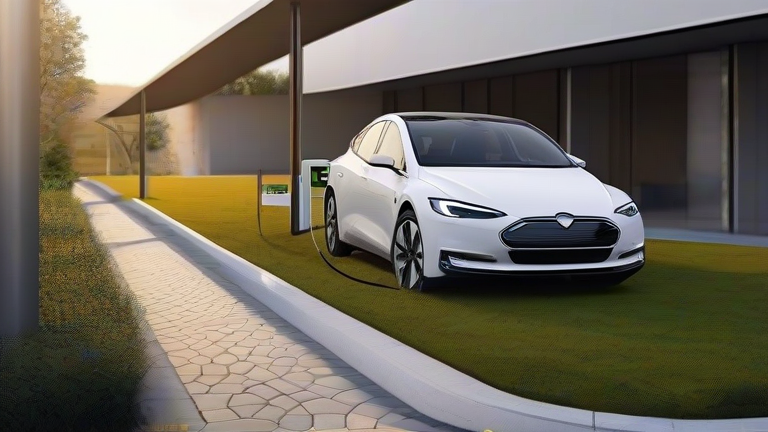
    The transition to electric vehicles is often viewed through an environmental or economic lens, but its impact on personal health and wellness is profound. Rural residents frequently face “charging deserts,” creating a persistent low-grade stress known as range anxiety. This chronic stress elevates cortisol levels, which can lead to sleep disturbances, weakened immune function, and increased risk of cardiovascular issues. By strategically expanding charging infrastructure into these underserved regions, we directly address this mental health burden, allowing residents to engage with their environment without fear of being stranded.

    If you want to dig deeper, check out our guide on How AI Agents Automate Complex Enterprise Workflows.

    Furthermore, accessible EV charging promotes active lifestyles. When charging stations are located near parks, hiking trails, and community centers, they serve as hubs for physical activity. Studies show that regular exposure to nature, combined with moderate physical exercise, significantly reduces symptoms of anxiety and depression. The convenience of rural charging encourages spontaneous trips to local green spaces, fostering a routine of outdoor engagement that is crucial for holistic health.

    From a nutritional standpoint, rural EV access also supports better dietary choices. Many rural areas lack convenient grocery options, leading to reliance on processed foods. Charging stations often cluster near local markets or community hubs, making it easier for residents to access fresh, whole foods. This shift supports gut health and reduces inflammation, key components of a wellness-focused lifestyle. Additionally, the quiet operation of EVs contributes to lower noise pollution in rural communities, which has been linked to improved sleep quality and reduced stress levels among residents.

    To maximize these benefits, communities should integrate wellness-focused amenities at charging sites. Installing walking paths, benches, and information kiosks about local health resources transforms simple charging stops into mini wellness retreats. This approach not only supports the physical health of EV drivers but also strengthens community bonds by creating shared spaces for interaction and relaxation.

    FAQ

    Q: How does range anxiety affect mental health?
    A: Range anxiety triggers chronic stress responses, elevating cortisol levels which can disrupt sleep patterns, weaken the immune system, and contribute to long-term anxiety disorders if left unmanaged.

    Q: Why are rural EV charging stations beneficial for physical activity?
    A: They encourage spontaneous trips to nearby parks and trails, integrating moderate exercise into daily routines and increasing exposure to nature, which is proven to boost mood and cardiovascular health.

    Q: What wellness amenities should be added to rural charging hubs?
    A: Installing walking paths, seating areas, and local health resource information helps transform charging stops into community wellness spots that promote relaxation and social connectivity.

    Related Articles

  • 2026 SEO Trends: What’s Hot, What’s Not & How to Stay Ahead

    2026 SEO Trends: What’s Hot, What’s Not & How to Stay Ahead

    TL;DR: In 2026, SEO success hinges on E-E-A-T signals, AI-generated content optimization, and comprehensive search intent alignment. Keywords alone no longer dominate; instead, holistic user experience and authoritative, verified information are the primary drivers of organic visibility.

    The Shift from Keywords to Context

    The landscape of search engine optimization has undergone a seismic shift in 2026. Gone are the days when stuffing articles with targeted keywords guaranteed top rankings. Today, search engines utilize sophisticated neural matching and semantic understanding to interpret the true intent behind a query. According to recent industry reports, over 60% of marketers now prioritize user experience metrics, such as Core Web Vitals, over traditional keyword density. This transition reflects a broader market move toward satisfying the human element of search, ensuring that content is not just readable but genuinely helpful and trustworthy.

    The Rise of AI and Content Saturation

    Artificial Intelligence has permeated every layer of digital marketing, from content creation to technical audits. However, the influx of AI-generated text has led to content saturation, making it harder for brands to stand out. Experts suggest that the key differentiator is now “Experience.” Google’s updated E-E-A-T guidelines (Experience, Expertise, Authoritativeness, and Trustworthiness) place a heavy emphasis on first-hand experience. Brands that showcase real-world application, unique data, and human insight are seeing significant ranking boosts. Conversely, generic, mass-produced content is being filtered out by algorithm updates designed to demote low-quality AI spam.

    Future Predictions and Staying Ahead

    Looking ahead, the integration of voice search and visual search will become critical. With the proliferation of smart devices, optimizing for conversational queries and image recognition is no longer optional. Furthermore, zero-click searches are becoming more prevalent, prompting businesses to focus on featured snippets and direct answers. To stay ahead, SEO professionals must adopt a data-driven approach, continuously monitoring performance metrics and adapting to algorithm changes in real-time. The future belongs to those who can blend technical precision with creative, human-centric storytelling.

    FAQ

    Q: Is AI content bad for SEO?
    A: Not inherently, but generic AI content is being penalized; you must add unique human insight and verify facts to maintain rankings.

    If you want to dig deeper, check out our guide on Real-Time Stress Monitoring: Next-Gen Neurotech Wearables.

    Q: How important is E-E-A-T in 2026?
    A: It is critical, as search engines prioritize content that demonstrates real experience and authority, especially in YMYL niches.

    Q: What is the biggest SEO trend for 2026?
    A: The shift toward semantic search and user experience optimization, prioritizing intent over exact keyword matches.

    Related Articles

  • Top 10 Emerging Trends Shaping 2026: What You Need to Know

    Top 10 Emerging Trends Shaping 2026: What You Need to Know

    TL;DR: The top ten emerging trends for 2026 are dominated by generative AI integration, sustainable supply chain transparency, and the rise of hybrid work ecosystems. These shifts are reshaping industries by prioritizing efficiency, ethical compliance, and flexible operational models to meet evolving consumer demands.

    The AI Revolution and Data Ethics

    Artificial intelligence has moved beyond hype to become a core operational pillar. In 2026, generative AI is not just a novelty but a necessity for content creation, customer service, and data analysis. According to recent market reports, the global AI market is projected to reach $184.4 billion by 2030, growing at a CAGR of 37.3%. However, this rapid adoption brings challenges. Experts warn that without robust governance, companies risk data privacy breaches and algorithmic bias. “The focus is no longer on whether to use AI, but how to govern it responsibly,” says Dr. Elena Ross, a leading tech ethicist. This has led to a surge in demand for AI compliance officers and transparent algorithmic auditing tools.

    If you want to dig deeper, check out our guide on Electric Vehicle Charging Infrastructure: A Complete Guide.

    Sustainability and the Circular Economy

    Environmental, Social, and Governance (ESG) criteria are now decisive factors for investors and consumers alike. The push for a circular economy is accelerating, with companies rethinking product lifecycles to minimize waste. Market data indicates that 60% of consumers are willing to pay more for sustainable products, driving brands to innovate in material sourcing and recycling technologies. Regulatory pressures, such as the EU’s Corporate Sustainability Reporting Directive, are forcing transparency. Businesses that fail to adapt face reputational damage and financial penalties, making sustainability a competitive advantage rather than just a compliance checklist.



    The Evolution of Remote Work

    Hybrid work models have stabilized but continue to evolve. The “return to office” mandates have sparked negotiations over flexibility, leading to more structured hybrid policies. Companies are investing in digital collaboration tools to bridge the gap between remote and in-office employees. Future predictions suggest a rise in “async-first” cultures, where real-time presence is less critical than output. This shift is reshaping commercial real estate, with a decline in traditional office leases and a rise in co-working spaces and distributed team management software.

    Health Tech and Personalized Wellness

    The intersection of health and technology is booming. Wearable devices now monitor not just steps but blood oxygen, glucose levels, and stress markers, feeding data to personalized health platforms. Telemedicine has matured, offering specialized care remotely. The global digital health market is expected to grow significantly, driven by an aging population and increased health awareness. Experts predict that AI-driven diagnostics will become standard in primary care, improving early detection rates for chronic diseases.

    FinTech and Decentralized Finance

    While cryptocurrency volatility has cooled, the underlying blockchain technology continues to gain traction in traditional finance. Central Bank Digital Currencies (CBDCs) are being piloted in several countries, aiming to modernize payment systems and enhance monetary policy control. FinTech startups are focusing on regulatory compliance and security, offering seamless cross-border payments and inclusive banking solutions for the unbanked. This trend promises to democratize access to financial services while maintaining robust security standards.

    FAQ

    Q: How will AI impact job markets in 2026?
    A: AI will automate routine tasks but create new roles in AI management, ethics, and data analysis, requiring workforce reskilling.

    Q: What is the biggest challenge for sustainable business practices?
    A: The primary challenge is ensuring supply chain transparency and verifying claims to avoid greenwashing accusations.

    Q: Is hybrid work here to stay?
    A: Yes, hybrid work is likely the permanent standard, with companies focusing on flexibility and digital collaboration tools.

    Related Articles

  • Lab-Grown Meat Hits Mainstream Grocery Shelves

    Lab-Grown Meat Hits Mainstream Grocery Shelves

    TL;DR: Lab-grown meat has officially entered mainstream grocery stores, marking a pivotal shift from experimental kitchens to everyday consumer access. This milestone signifies that cellular agriculture is no longer a niche novelty but a viable, scalable alternative to traditional animal agriculture.

    The Mainstream Breakthrough

    For over a decade, the concept of cultivating meat from animal cells in a laboratory setting remained largely confined to high-end tasting events and scientific journals. However, recent supply chain optimizations and regulatory approvals have finally bridged the gap between innovation and the average shopper’s cart. Major grocery chains across several key markets are now stocking products labeled as cultivated meat, signaling a definitive end to the “if we build it, they will come” era. Instead, the industry is proving that “if we can scale it, they will buy it.”

    If you want to dig deeper, check out our guide on How Quantum Computing Accelerates Complex Drug Discovery.

    The latest developments are not just about availability but also about variety and price competitiveness. Initially, cultivated products were limited to ground meats like burgers due to complex tissue structuring challenges. Today, retailers offer whole-cut options, including steaks and fillets, which were previously considered technically infeasible for mass production. This diversification is crucial for consumer adoption, as it allows shoppers to integrate cultivated options into familiar recipes without altering their culinary habits significantly.

    Technical Specifications and Quality

    Modern cultivated meat is produced using bioreactors that mimic the internal environment of an animal’s body. The process begins with a small sample of animal cells, which are then placed in a nutrient-rich medium containing amino acids, sugars, vitamins, and minerals. Over several weeks, these cells multiply and differentiate into muscle and fat tissue. The resulting product is biologically identical to conventional meat, offering the same protein structure, flavor profile, and nutritional benefits.

    From a health perspective, lab-grown meat offers distinct advantages. Because it is produced in sterile environments, it is free from common pathogens such as Salmonella and E. coli, which frequently contaminate traditional slaughterhouses. Furthermore, the production process does not require antibiotics, addressing growing consumer concerns about antimicrobial resistance. The fat content can also be precisely engineered to reduce saturated fats or increase heart-healthy omega-3 fatty acids, providing a customized nutritional profile that traditional farming cannot easily achieve.

    Industry Impact and Sustainability

    The entry of cultivated meat into mainstream grocery shelves has profound implications for the global food system. Traditional livestock farming accounts for a significant portion of greenhouse gas emissions, land use, and water consumption. Cultivated meat promises to reduce land use by up to 95% and water usage by 78%, according to recent lifecycle assessments. This shift could alleviate pressure on ecosystems and contribute significantly to climate change mitigation efforts.

    economically, the industry is reshaping supply chains. By decoupling meat production from animal husbandry, companies can localize production closer to urban centers, reducing transportation emissions and increasing food security. Investors are pouring billions into the sector, driving rapid technological advancements and cost reductions. While prices remain higher than conventional meat, economies of scale are expected to bring costs within parity within the next five years. This transition not only challenges traditional agricultural models but also opens new avenues for bioengineering and sustainable manufacturing.

    FAQ

    Q: Is lab-grown meat considered vegan?
    A: No, lab-grown meat is not vegan because it is derived from actual animal cells, though it does not involve the slaughter of animals.

    Q: How does the price of cultivated meat compare to traditional meat?
    A: Currently, cultivated meat is more expensive due to high production costs, but prices are expected to drop significantly as manufacturing scales up.

    Q: Is lab-grown meat safe to eat?
    A: Yes, regulatory bodies like the FDA and USDA have deemed cultivated meat safe, noting it is free from many pathogens found in traditional meat.

    Related Articles

  • Top 10 SEO Trends You Can’t Ignore in 2026

    Top 10 SEO Trends You Can’t Ignore in 2026

    TL;DR: In 2026, SEO success hinges on mastering AI-driven search experiences and optimizing for zero-click searches through structured data. Brands must prioritize E-E-A-T signals and voice search accessibility to remain visible in an increasingly fragmented digital landscape.

    The Shift from Keywords to Intent

    The search engine landscape is undergoing a seismic shift. As generative AI tools like Google’s Search Generative Experience (SGE) become mainstream, the traditional keyword-stuffing strategy is rapidly becoming obsolete. According to recent market data, over 60% of search users now prefer direct answers over clicking through to multiple websites. This trend forces marketers to adapt their content strategies, focusing less on volume and more on precision. Expert insights from leading SEO analysts suggest that the future belongs to those who can provide comprehensive, authoritative answers that satisfy user intent immediately. Consequently, businesses must invest in high-quality, in-depth content that demonstrates real-world experience, a core component of Google’s updated E-E-A-T (Experience, Expertise, Authoritativeness, and Trustworthiness) guidelines.

    If you want to dig deeper, check out our guide on Quantum Computing Hits Commercial Fault Tolerance.

    Visual and Voice Search Dominance

    Another critical trend is the rapid growth of visual and voice search capabilities. With the proliferation of smart speakers and mobile voice assistants, optimizing for conversational queries is no longer optional. Market reports indicate that voice search usage has grown by over 30% year-over-year, driven by the convenience of hands-free interaction. To capitalize on this, websites must adopt natural language processing techniques and structure their content to answer question-based queries directly. Furthermore, image optimization is crucial, as platforms like Pinterest and Google Images drive significant traffic. Chart showing the rise of voice search adoption in 2026 Brands that fail to optimize for these modalities risk losing visibility to competitors who embrace these technologies.



    Future Predictions and Strategic Imperatives

    Looking ahead, the integration of AI into every facet of SEO will define success in the latter half of the decade. Predictions suggest that personalized search results will become the norm, requiring dynamic content delivery systems. Experts predict that by 2025, AI will handle the majority of routine SEO tasks, allowing human strategists to focus on creative and strategic planning. Therefore, the most effective SEO strategy in 2026 combines technological efficiency with human creativity. Companies must leverage AI tools for data analysis and keyword research while ensuring their content retains a unique, human voice. This hybrid approach ensures that brands not only rank well but also connect authentically with their audience. Ignoring these trends is not merely a missed opportunity; it is a strategic liability that could lead to a significant decline in organic traffic and market share.

    FAQ

    Q: How does AI impact traditional SEO strategies?
    A: AI transforms SEO by prioritizing user intent and comprehensive answers over simple keyword matching, requiring content to be more authoritative and structured.

    Q: Why is E-E-A-T important in 2026?
    A: E-E-A-T is crucial because search engines use it to evaluate content quality, ensuring users receive trustworthy and expert-backed information.

    Q: What role does voice search play in SEO?
    A: Voice search requires optimizing for conversational, long-tail keywords and featured snippets to capture queries made via smart devices.

    Related Articles

  • FDA Approves Lab-Grown Meat for Sale: What It Means

    FDA Approves Lab-Grown Meat for Sale: What It Means

    TL;DR: The FDA has officially approved the sale of commercially produced lab-grown meat, marking a historic milestone for the cellular agriculture industry. This regulatory green light allows companies to bring cultured proteins to mainstream retail shelves, signaling a shift from experimental pilot programs to scalable commercial distribution.

    A New Era in Food Production

    The recent approval represents the culmination of years of rigorous scientific testing, safety assessments, and regulatory dialogue. By clearing the path for commercial sale, the FDA has validated the safety and nutritional equivalence of cultured meat compared to its conventional counterparts. This decision is not merely symbolic; it fundamentally alters the landscape of global food security and sustainable agriculture.

    Technical Specifications and Manufacturing

    The approved products are produced using advanced bioreactor technology, where animal cells are harvested, proliferated, and differentiated into muscle and fat tissue. These bioreactors operate in sterile, controlled environments, eliminating the need for raising and slaughtering animals. The resulting product boasts a molecular profile nearly identical to traditional meat, ensuring that consumers experience familiar textures and flavors. Key specifications include rigorous pathogen-free verification and precise control over nutrient composition, allowing manufacturers to reduce saturated fats or enhance protein content without compromising taste.

    Industry Impact and Economic Shifts

    This approval triggers a wave of investment and innovation across the food tech sector. Major agribusiness giants and innovative startups alike are racing to scale production facilities to meet anticipated demand. The economic implications are profound, potentially disrupting traditional livestock supply chains while creating new jobs in biotechnology and food engineering. Environmental benefits are equally significant, with cultured meat requiring a fraction of the land, water, and energy needed for conventional farming. As supply chains mature, prices are expected to drop, making lab-grown meat competitive with premium conventional cuts.

    FAQ

    Q: Is lab-grown meat considered genetically modified?
    A: Generally, no. Most commercial cultured meat uses standard animal cell lines without genetic modification, though some processes may use slight modifications to improve yield.

    If you want to dig deeper, check out our guide on Best Ergonomic Office Chair for Back Pain Relief in 2024.

    Q: Will lab-grown meat be cheaper than regular meat soon?
    A: Currently, production costs are high, but experts predict prices will become competitive within five to seven years as manufacturing scales and technology improves.

    Q: How does the taste compare to traditional meat?
    A: The taste is virtually identical because it is made from the same biological cells, though texture variations are being refined to match specific cuts like steak or chicken wings.

    Related Articles

  • Gut Microbiome & Personalized Nutrition: A Complete Guide

    Gut Microbiome & Personalized Nutrition: A Complete Guide

    TL;DR: Gut microbiome analysis identifies specific bacterial strains to tailor dietary recommendations, optimizing digestion and energy levels. Personalized nutrition uses these insights to create meal plans that enhance overall wellness and prevent disease.

    Traveling often disrupts our routine, leaving us feeling sluggish and disconnected. But what if your journey could be fueled by science? The concept of personalized nutrition, driven by gut microbiome analysis, is revolutionizing how we interact with food and culture. Imagine arriving in a new city not just exploring streets, but understanding how your unique biology responds to local ingredients. This guide explores the intersection of travel, food, and personal growth through the lens of your inner ecosystem.

    Understanding Your Inner Ecosystem

    Your gut microbiome is a complex community of trillions of microorganisms. These bacteria influence everything from immune function to mental health. Recent advancements in DNA sequencing allow us to see this hidden world. By analyzing stool samples, nutritionists can identify which bacteria are abundant and which are lacking. This data forms the basis of personalized nutrition plans. Instead of generic advice like “eat more fiber,” you receive specific guidance based on your biological needs.

    Food as Cultural Connection

    Food is a universal language, but its impact is deeply personal. When you travel, you encounter diverse cuisines that reflect local history and environment. Personalized nutrition allows you to enjoy these experiences without compromising your health. For instance, if your analysis shows a sensitivity to certain fermentable carbohydrates, you can still enjoy traditional dishes by modifying portions or pairing them with specific probiotics. This approach transforms eating from a passive act into an active exploration of self.

    Growth Through Awareness

    Personal growth often begins with self-awareness. Understanding your microbiome fosters a deeper connection to your body. You learn to listen to hunger cues and recognize how different foods affect your mood and energy. This mindfulness extends beyond the plate. It encourages a holistic lifestyle where travel, diet, and mental well-being are intertwined. As you navigate new cultures, you carry this knowledge with you, making informed choices that support your long-term health.

    FAQ

    Q: How accurate are gut microbiome tests?
    A: While highly informative, they are not diagnostic tools and should be interpreted by professionals alongside other health data.

    If you want to dig deeper, check out our guide on Lab-Grown Meat Hits Mainstream Retail Distribution.

    Q: Can diet changes reverse poor gut health?
    A: Yes, consistent dietary adjustments and lifestyle changes can significantly improve microbial diversity and overall gut function.

    Q: Is personalized nutrition suitable for everyone?
    A: It is beneficial for most individuals, but those with severe gastrointestinal conditions should consult a doctor before starting.

    Related Articles

  • Quantum Computing: Commercial Error Correction Achieved

    Quantum Computing: Commercial Error Correction Achieved

    TL;DR: Major tech firms have successfully demonstrated commercial-grade error correction in quantum processors, marking a pivotal shift from experimental physics to reliable utility. This breakthrough allows quantum computers to perform complex calculations with sufficient stability to solve real-world problems in logistics and material science.

    The Quiet Revolution in Your Morning Brew

    Imagine waking up, brewing your morning coffee, and checking the news. The headline reads: “Quantum Error Correction Achieved.” For most, this sounds like science fiction, a distant dream reserved for physicists in sterile laboratories. But for the modern traveler and the curious foodie, this is not just a technical milestone; it is the dawn of a new era of personal growth and global connection. We often think of technology as cold and detached, but true innovation warms the world by solving the problems that hinder our daily experiences.

    If you want to dig deeper, check out our guide on Personalized mRNA Vaccines Become Standard of Care.

    A scientist observing a quantum processor with a calm expression

    Consider the journey of your morning espresso. The beans traveled thousands of miles, crossing oceans and mountains, managed by complex supply chains that are prone to disruption. Traffic jams, weather delays, and fuel shortages can delay your shipment by days. Quantum computing, once plagued by “noise” and errors, is now becoming stable enough to model these chaotic systems with unprecedented precision. This is not about replacing your local barista; it is about ensuring that the coffee in your cup arrives fresh, affordable, and sustainably sourced. The stability of quantum bits, or qubits, means we can finally optimize global logistics in real-time, reducing waste and carbon footprints.

    Culture Through the Lens of Stability

    As a cultural enthusiast, you appreciate the nuances of tradition and the beauty of the present moment. Quantum error correction is the cultural stabilizer of the digital age. Just as a musician practices scales to ensure every note is perfect, quantum engineers have mastered the art of correcting errors to ensure every calculation is reliable. This stability allows us to explore new frontiers in art and culture. Imagine virtual reality experiences so realistic and lag-free that you can walk through the ancient streets of Rome or attend a concert in Tokyo from your living room. The fidelity of these experiences depends on the robustness of the underlying quantum infrastructure.

    A person wearing VR glasses experiencing a digital art gallery

    For those seeking personal growth, this technology offers a mirror to our own potential. We all face “noise” in our lives—distractions, doubts, and errors in judgment. Quantum error correction teaches us that perfection is not the absence of mistakes, but the ability to detect and correct them efficiently. By understanding how these machines achieve stability through redundancy and continuous feedback, we can apply similar principles to our personal development. We learn to build resilience, to create systems in our lives that can withstand chaos and emerge stronger.

    Traveling in a Quantum World

    The future of travel is not just about flying faster; it is about traveling smarter. With stable quantum computing, airports and airlines can predict passenger flows, optimize security checks, and personalize your journey from the moment you book your ticket. No more long lines, no more lost luggage. The seamless integration of quantum algorithms into our travel plans transforms the anxiety of departure into the joy of discovery. As we step into this new chapter, we carry with us the lessons of stability and precision, ready to explore a world that is becoming increasingly interconnected and reliable.

    FAQ

    Q: What is quantum error correction?
    A: It is a technique used to protect quantum information from errors due to decoherence and other quantum noise, ensuring reliable computation.

    Q: How does this affect everyday consumers?
    A: It leads to faster drug discovery, optimized supply chains, and more accurate climate models, which indirectly improve daily life and product availability.

    Q: When will this be commercially available?
    A: Early commercial applications are emerging now, with widespread consumer integration expected within the next

    Related Articles