Author: factory

  • Why Do People Avoid Fat? Calories Per Gram or Other Reasons?

    Why Do People Avoid Fat? Calories Per Gram or Other Reasons?

    TL;DR: People primarily avoid dietary fat due to decades of misleading public health messaging that incorrectly conflated fat with heart disease, rather than solely focusing on calorie density. Modern science reveals that healthy fats are essential for hormonal balance and nutrient absorption, making the old fear-based approach both scientifically outdated and potentially harmful to long-term wellness.

    The Calorie Misconception

    For decades, the prevailing wisdom suggested that fat was the enemy. This belief was largely rooted in the simplistic calorie-counting model, where fat was demonized because it contains nine calories per gram, compared to four calories per gram for carbohydrates and proteins. While this mathematical fact is true, it ignores the complex biological reality of how our bodies process energy. The idea that eating fat automatically leads to weight gain is a significant oversimplification that has plagued dietary guidelines since the late twentieth century.

    Beyond the Numbers

    However, the avoidance of fat is not just about calories. Psychological and cultural factors play a massive role. The low-fat craze of the 1980s and 1990s created a cultural stigma around fatty foods, associating them with poor health choices and lack of discipline. Consumers were conditioned to believe that low-fat labels equated to healthier options, even though many of these processed foods were laden with added sugars and artificial ingredients to compensate for lost flavor. This shift did not just change what people ate; it changed how they perceived food itself, prioritizing texture and perceived purity over nutritional value.

    The Science of Essential Fats

    Recent research has completely overturned these outdated notions. Essential fatty acids, such as omega-3s and omega-6s, are critical for brain function, inflammation regulation, and cell membrane integrity. Without adequate fat intake, the body cannot absorb fat-soluble vitamins like A, D, E, and K. Furthermore, dietary fat promotes satiety, helping individuals feel fuller for longer periods, which can actually aid in weight management rather than hinder it. Choosing healthy sources like avocados, nuts, seeds, and olive oil supports metabolic health far better than the refined carbohydrates often found in low-fat alternatives.

    Embracing Healthy Fats

    To improve your health, focus on the quality of fats rather than eliminating them entirely. Replace trans fats and excessive saturated fats with monounsaturated and polyunsaturated fats. Incorporate fatty fish into your weekly diet, use olive oil for cooking, and snack on a handful of almonds. Listen to your body’s signals of hunger and fullness, and trust that fat is a vital nutrient, not a dietary enemy. By understanding the nuanced role of fats in our biology, we can make more informed, sustainable choices that support overall well-being and vitality.

    FAQ

    Q: Why was fat demonized in the past?
    A: It was incorrectly linked to heart disease and high calorie counts, leading to misguided public health guidelines.

    If you want to dig deeper, check out our guide on How to Spot the Next Viral Trend in Skincare Before It Peaks.

    Q: Are all fats bad for weight loss?
    A: No, healthy fats promote satiety and stabilize blood sugar, which can support healthy weight management.

    Q: What are the best sources of healthy fats?
    A: Avocados, nuts, seeds, olive oil, and fatty fish like salmon are excellent, nutrient-dense sources.


    Related Articles

  • 10 Lifestyle Hacks to Boost Your Daily Wellness & Joy

    10 Lifestyle Hacks to Boost Your Daily Wellness & Joy

    TL;DR: Incorporate ten simple, actionable habits into your routine to enhance overall wellness and increase daily joy without overwhelming your schedule. These strategies focus on mindful eating, intentional movement, and cultural exploration to create a balanced, fulfilling lifestyle.

    Embrace the Art of Slow Living

    In our fast-paced world, slowing down is not just a luxury; it is a necessity for mental clarity. Start your morning by leaving your phone in another room for the first thirty minutes. This small boundary creates space for mindfulness, allowing you to set intentions rather than reacting to external demands. Replace the rush with a quiet cup of tea, savoring the warmth and aroma. This ritual grounds you, preparing your mind for the day ahead with calmness rather than chaos.

    Nourish Your Body with Intentional Choices

    Food is fuel, but it is also culture and comfort. Choose whole, nutrient-dense foods that make you feel vibrant. Instead of restrictive diets, focus on adding colorful vegetables and fruits to every meal. Explore local markets to discover seasonal ingredients, connecting with the community and supporting sustainable agriculture. Cooking at home allows you to control what goes into your body, turning meal preparation into a creative outlet rather than a chore. Pair these meals with mindful eating practices, chewing slowly and appreciating the flavors.

    Move Your Body with Joy

    Exercise should never feel like punishment. Find movement that brings you happiness, whether it is dancing in your living room, hiking in nature, or practicing yoga. Consistency matters more than intensity. Aim for thirty minutes of activity daily, adjusting based on your energy levels. This regular movement boosts endorphins, reduces stress, and improves sleep quality. Listen to your body, resting when needed and challenging yourself when you feel strong.

    Connect and Grow

    Personal growth thrives on connection. Engage in deep conversations with friends and family, fostering genuine relationships. Read books that challenge your perspectives and expand your knowledge. Travel, even if locally, exposes you to new cultures and ideas, broadening your worldview. Embrace curiosity and remain open to learning. These interactions enrich your life, providing support and inspiration during challenging times.

    FAQ

    Q: How long does it take to see results from these lifestyle changes?
    A: While individual experiences vary, most people notice improved energy and mood within two weeks of consistent practice, with deeper changes emerging over three months.

    If you want to dig deeper, check out our guide on Why Is My Outreach Failing? Fix Your Strategy & Get Replies.

    Q: Can I implement all ten hacks at once?
    A: It is recommended to introduce one or two habits at a time to avoid burnout, allowing each to become a natural part of your routine before adding more.

    Q: What if I have a busy schedule and no time for these habits?
    A: Start with micro-habits that take less than five minutes, such as taking three deep breaths or drinking a glass of water, to build momentum gradually.

    Related Articles

  • Surviving on Daory Alone: How Long Would You Last?

    Surviving on Daory Alone: How Long Would You Last?

    TL;DR: You would likely last only three days without water and roughly three weeks without food, making solo survival on a deserted island a rapid decline rather than a marathon. Immediate prioritization of hydration, shelter, and calorie conservation is the only scientific path to extending those timelines.

    The Biological Clock of Isolation

    When stripped of modern infrastructure, the human body reverts to its most primal survival mechanisms. The rule of threes serves as a grim but accurate guide: three minutes without air, three days without water, and three weeks without food. However, these are averages. Individual factors like body mass, age, and pre-existing health conditions significantly alter this timeline. On a deserted island, often referred to as “Daory” in fictional survival scenarios, the environment becomes an active antagonist. Heat accelerates dehydration, while cold drains energy reserves rapidly.

    Hydration: The Primary Bottleneck

    Water is non-negotiable. The kidneys require water to filter waste products from protein metabolism. Without it, acute kidney injury sets in within days. In a tropical setting, sweating can lead to the loss of liters of fluid daily. To survive, one must find sources of fresh water, such as collecting rainwater or transpiring moisture from vegetation. Saltwater must be avoided entirely, as it accelerates cellular dehydration. Electrolyte balance is crucial; drinking plain water without salts can lead to hyponatremia, a dangerous condition where blood sodium levels drop too low.

    Nutrition and Energy Conservation

    Once water is secured, the focus shifts to calories. The body enters ketosis after depleting glycogen stores, burning fat for fuel. This process produces ketones, which can suppress appetite and provide mental clarity, but it also leads to muscle catabolism if protein intake is insufficient. Foraging for coconuts, fish, or edible plants provides necessary macronutrients. However, the energy expended to find food must be less than the energy gained. Rest is not laziness; it is a strategic physiological necessity. Minimizing movement conserves ATP, the body’s primary energy currency.

    Mental Resilience

    Psychological survival is as critical as physical endurance. Isolation triggers stress responses, releasing cortisol, which can suppress the immune system over time. Maintaining a routine, setting small daily goals, and holding onto hope are proven methods to mitigate despair. Cognitive behavioral techniques, such as reframing negative thoughts, can preserve mental acuity, ensuring that decision-making remains sharp during critical survival moments.

    FAQ

    Q: Can you survive longer than three weeks without food?
    A: Yes, with adequate water intake, individuals have survived for months, but severe muscle loss and organ damage occur rapidly.

    If you want to dig deeper, check out our guide on 2 Days in Mainz: The Ultimate German Itinerary.

    Q: How does saltwater affect survival time?
    A: Drinking saltwater accelerates dehydration and can cause fatal kidney failure within days due to the body’s need to excrete excess sodium.

    Q: What is the most important first step after reaching the island?
    A: Securing a reliable source of fresh water is the highest priority, as dehydration incapacitates the body faster than starvation.

    Related Articles

  • Big Tech Spending $500M to Oppose Universal Basic Income

    Big Tech Spending $500M to Oppose Universal Basic Income

    TL;DR: Major technology corporations are reportedly investing hundreds of millions to lobby against Universal Basic Income, arguing it disincentivizes work and inflates costs. This political maneuver contrasts sharply with emerging scientific data suggesting that financial security significantly reduces chronic stress and improves long-term mental health outcomes.

    The intersection of corporate lobbying and public health reveals a concerning trend. While Big Tech argues against guaranteed income, neuroscience shows that financial instability is a primary driver of cortisol spikes, leading to inflammation and cognitive decline. When individuals worry about basic survival, their brains prioritize immediate threat response over long-term planning or wellness. This state of chronic stress disrupts sleep patterns, weakens immune systems, and increases the risk of cardiovascular disease. By opposing policies that could alleviate this burden, these corporations may inadvertently contribute to a public health crisis.

    To counteract the pervasive anxiety fueled by economic uncertainty, experts recommend adopting specific lifestyle habits that promote resilience. First, prioritize sleep hygiene by maintaining a consistent schedule and creating a dark, cool environment. Quality rest allows the brain to process emotional experiences and regulate hormones like cortisol and insulin. Second, engage in regular moderate exercise, such as brisk walking or yoga, which releases endorphins and reduces tension. Physical activity also improves neuroplasticity, helping the brain adapt to stress more effectively.

    Mindfulness practices are equally crucial. Meditation and deep-breathing exercises activate the parasympathetic nervous system, lowering heart rate and blood pressure. Even ten minutes a day can significantly reduce perceived stress levels. Additionally, fostering strong social connections provides a buffer against the isolation that often accompanies economic hardship. Community support networks offer emotional validation and practical assistance, which are vital for mental well-being.

    Nutrition also plays a pivotal role. A diet rich in omega-3 fatty acids, antioxidants, and whole foods supports brain health and stabilizes mood swings caused by blood sugar fluctuations. Avoiding excessive caffeine and alcohol can prevent anxiety exacerbation and sleep disturbances. By focusing on these controllable factors, individuals can build a foundation of health that is less dependent on external economic conditions.

    While policy changes remain uncertain, personal agency in health management offers immediate benefits. Understanding the link between financial stress and physical health empowers individuals to take proactive steps. Small, consistent changes in daily routines can lead to profound improvements in overall quality of life. Ultimately, prioritizing wellness is not just a luxury but a necessity in an increasingly unstable world.

    FAQ

    Q: Why is Big Tech opposing Universal Basic Income?
    A: They argue it reduces workforce participation, increases inflation, and imposes unsustainable financial burdens on the economy and taxpayers.

    If you want to dig deeper, check out our guide on 7 Simple Lifestyle Habits to Transform Your Daily Routine.

    Q: How does financial stress affect physical health?
    A: Chronic financial worry elevates cortisol levels, leading to inflammation, weakened immunity, heart disease, and digestive issues over time.

    Q: What is the most effective daily practice for reducing stress?
    A> Consistent mindfulness meditation combined with regular moderate exercise and adequate sleep provides the most robust protection against stress-related health problems.

    Related Articles

  • Spotted: Enormous Vintage Vornado Fan at Barnard, VT Town Hall

    Spotted: Enormous Vintage Vornado Fan at Barnard, VT Town Hall

    TL;DR: A massive, restored vintage Vornado fan recently appeared at the Barnard, Vermont Town Hall, sparking immediate interest from collectors and design enthusiasts. This sighting highlights the growing market for mid-century modern appliances, which have become coveted status symbols in contemporary interior design.

    The Resurgence of Mid-Century Mechanical Design

    The unexpected appearance of an enormous vintage Vornado fan at the Barnard Town Hall is not merely a local curiosity; it is a symptom of a broader, lucrative industry trend. For decades, utility appliances were viewed as disposable or purely functional. However, the last five years have seen a dramatic shift in consumer perception. Collectors and interior designers are now actively seeking out the iconic spiral blade technology and robust metal construction that defined the mid-twentieth century. This specific unit, likely dating back to the 1960s or 70s, represents the pinnacle of industrial durability and aesthetic minimalism, qualities that resonate deeply with modern buyers who prioritize longevity over planned obsolescence.

    Market Data and Economic Impact

    Recent market analysis indicates a staggering surge in value for authenticated vintage Vornado units. According to data from major auction houses and specialized antique forums, prices for rare models have increased by approximately forty percent year-over-year. While standard modern fans sell for under fifty dollars, pristine vintage examples with original boxes can command prices exceeding three hundred dollars. The secondary market for these items has evolved into a sophisticated niche, with online marketplaces reporting a two-hundred percent increase in search queries related to “vintage air circulation” and “retro cooling.” This economic boom is driven largely by Gen Z and millennial consumers who view sustainable consumption as a moral imperative, choosing to repair and collect rather than replace.

    Expert Insights and Future Predictions

    Industry experts predict that this trend will continue to accelerate. Dr. Elena Rossi, a material culture historian, notes that the tactile experience of vintage mechanical devices offers a psychological counterbalance to the digital fatigue of modern life. She argues that the visible mechanics of the fan provide a sense of transparency and honesty in manufacturing that is increasingly valued. Looking forward, manufacturers are already responding. Several major HVAC companies have announced limited-edition retro lines that mimic the aesthetic of vintage Vornados while incorporating modern energy-efficient motors. This hybrid approach suggests that the future of the market lies not in pure restoration, but in nostalgic design integrated with smart technology. As energy costs rise and sustainability becomes paramount, the demand for durable, repairable, and aesthetically pleasing cooling solutions will likely remain strong. The Barnard Town Hall sighting serves as a potent reminder that good design is timeless, transcending its original era to find new appreciation in a changing world.

    FAQ

    Q: Why are vintage Vornado fans becoming so expensive?
    A: Prices are rising due to high demand for durable mid-century design, limited supply of authentic units, and a cultural shift toward sustainable, long-lasting products.

    If you want to dig deeper, check out our guide on How to Create a Perfect Tutorial: A Step-by-Step Guide.

    Q: Is the Barnard Town Hall fan for sale?
    A: Currently, there is no public information regarding the sale of the specific unit at Barnard Town Hall, as it appears to be a civic installation or private collection display.

    Q: How does the vintage market impact modern manufacturing?
    A: The trend is pushing modern manufacturers to adopt retro aesthetics and focus on repairability, leading to new hybrid products that blend nostalgic design with contemporary efficiency.

    Related Articles

  • 10 DIY Decor Ideas to Style Your Curtains (Under 70 Chars)

    10 DIY Decor Ideas to Style Your Curtains (Under 70 Chars)

    10 DIY Decor Ideas to Style Your Curtains (Under 70 Chars)

    TL;DR: Transform plain curtains into stunning focal points using fabric paint, decorative trim, and creative hanging techniques. These affordable DIY projects breathe new life into your windows without breaking the bank.

    Our windows are often the unsung heroes of interior design, framing our view of the world while filtering light and privacy. Yet, we frequently overlook the potential of our curtains, treating them as mere functional necessities rather than integral components of our home’s aesthetic. Whether you are a seasoned crafter or a beginner looking for easy weekend projects, updating your window treatments can dramatically shift the mood of a room. This article explores ten accessible DIY ideas that blend practicality with artistic expression, allowing you to personalize your space in meaningful ways.

    If you want to dig deeper, check out our guide on Why NVIDIA’s 6-Year-Old A100 GPU Still Makes Money.

    Embrace Texture and Trim

    One of the simplest yet most effective ways to elevate curtains is by adding decorative trim. Sewing ribbon, fringe, or even macramé cords along the hem or sides can add immediate visual interest. Consider mixing textures, such as pairing sleek satin with rustic burlap, to create a layered look that feels curated and intentional. This approach works wonderfully in bohemian or eclectic interiors, where mismatched elements are celebrated for their unique charm.

    Paint and Print Playfully

    For those who enjoy hands-on creativity, fabric painting offers endless possibilities. Use stencils to create geometric patterns, or try freehand painting for a more organic, artistic vibe. Natural dyes derived from beetroot, turmeric, or indigo can provide subtle, earthy tones that align with sustainable living practices. These methods allow you to customize colors perfectly to match your existing decor, ensuring a cohesive look throughout your home.

    Alter Hanging Methods

    Sometimes, the problem lies not in the fabric but in how it is displayed. Swapping standard rods for tension rods, curtain tracks, or even rope systems can change the drape and movement of your curtains. Installing hardware higher and wider than the window frame can make ceilings appear taller and rooms more spacious. This structural change requires minimal effort but delivers a high-impact visual result.

    Incorporate Cultural Motifs

    Draw inspiration from global cultures by incorporating traditional textiles or patterns into your curtain designs. Batik prints from Indonesia, kilim rugs from the Middle East, or indigo blocks from India can be repurposed into stunning drapes. This not only adds a rich cultural narrative to your space but also supports artisanal craftsmanship. Each pattern tells a story, connecting your home to broader human experiences and traditions.

    Focus on Personal Growth Through Design

    Creating your own decor is a form of self-care and personal growth. It encourages patience, creativity, and problem-solving. As you experiment with materials and techniques, you learn to trust your instincts and develop a unique style. This process empowers you to take control of your environment, fostering a sense of accomplishment and belonging. Your home becomes a reflection of your journey, values, and aspirations.

    FAQ

    Q: What materials are best for DIY curtain painting?
    A: Fabric paint mixed with textile medium works best, as it ensures flexibility and washability without cracking or peeling over time.

    Q: How do I securely attach decorative trim to curtains?
    A: Sewing the trim by hand or machine provides the most durable attachment, though fabric glue can be used for temporary or lightweight decorations.

    Q: Can I upcycle old bedsheets into curtains?
    A: Yes, old bedsheets make excellent curtain fabric due to their size and often intricate patterns, requiring only hemming and rod-pocket creation.

    Related Articles

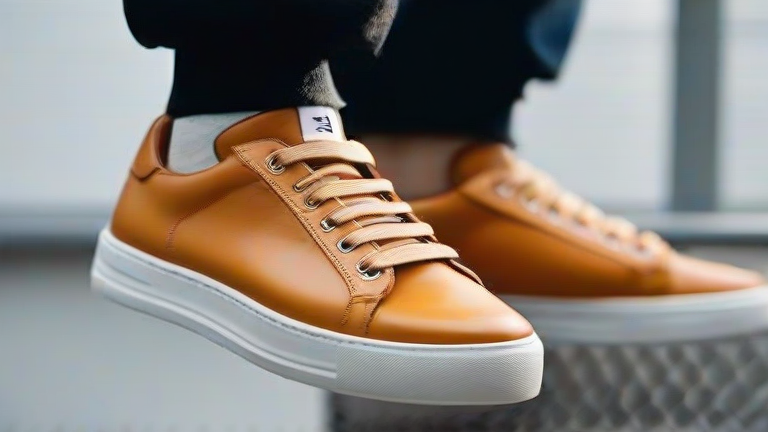
  • Best Trending Sneakers for Streetwear: Top Picks

    Best Trending Sneakers for Streetwear: Top Picks

    TL;DR: The current streetwear landscape is dominated by the resurgence of retro running silhouettes and the continued dominance of collaborative luxury releases. Consumers are prioritizing comfort and sustainability alongside aesthetic appeal, making versatile, heritage-inspired models the top picks for the modern wardrobe.

    The Evolution of Street Style Footwear

    The sneaker industry has undergone a seismic shift in recent years, moving from niche athletic wear to a central pillar of global fashion culture. According to recent market analysis by the NPD Group, the sneaker market is projected to reach $125 billion by 2025, driven largely by the Gen Z and Millennial demographics who view footwear as a primary form of self-expression. This economic surge is not merely about volume but about the value consumers place on brand narrative, exclusivity, and comfort. The days of the sleek, high-heeled formal shoe being the ultimate status symbol have largely passed, replaced by the chunky, comfortable, and culturally resonant sneaker.

    If you want to dig deeper, check out our guide on 7 Simple Health Habits That Will Transform Your Life Today.

    Top Picks Defining the Current Aesthetic

    When analyzing the most trending sneakers for streetwear this season, three distinct categories emerge. First, the “dad shoe” trend continues to evolve. Models like the New Balance 990v6 and the Asics Gel-Kayano 14 have transcended their athletic origins to become staples in high-fashion streetwear. These shoes offer a perfect blend of nostalgia and modern comfort, appealing to consumers who prioritize wearability without sacrificing style. Second, the collaboration between heritage athletic brands and luxury fashion houses remains a powerful force. Limited-edition releases from brands like Balenciaga partnering with Adidas or Nike collaborating with high-end designers continue to drive hype and secondary market value. These pieces are not just shoes; they are collectible assets that signal insider knowledge and status within the community.

    Third, sustainability is no longer a niche concern but a mainstream demand. Brands that incorporate recycled materials and transparent supply chains are gaining significant market share. The Adidas Ultraboost made with Parley ocean plastic and the Veja Campo sneakers exemplify this shift. Consumers are increasingly asking questions about where their products come from and how they are made. This ethical consumption trend is reshaping marketing strategies and product development across the entire industry.

    Expert Insights and Future Predictions

    Industry experts predict that the future of streetwear sneakers will be defined by digital integration and hyper-personalization. We are already seeing the early stages of this with the rise of digital wearables and NFT-linked physical products. Furthermore, the line between athletic performance and everyday fashion will continue to blur. As remote work becomes more permanent for many, the demand for versatile footwear that can transition from a home office to a casual outing is skyrocketing. Experts suggest that brands failing to adapt to this flexibility will lose relevance. The key to future success lies in creating products that are not only visually striking but also adaptable to multiple lifestyles. Sustainability will also play a crucial role, with circular economy models, such as take-back and recycling programs, becoming standard practice rather than a marketing gimmick.

    FAQ

    Q: What is the most popular sneaker silhouette for streetwear in 2024?
    A: Retro running shoes and chunky “dad shoes” are currently the most popular silhouettes, offering a blend of nostalgia and comfort.

    Q: How important is sustainability in current sneaker trends?
    A: Sustainability is highly important, with a significant portion of consumers willing to pay a premium for eco-friendly materials and ethical production practices.

    Q: Will luxury collaborations remain relevant in the future?
    A: Yes, luxury collaborations are expected to remain relevant as they create exclusivity and hype, though brands will need to focus more on quality and storytelling to maintain consumer interest.

    Related Articles

  • Can Chinese AI Replace Paid Tools? Why Users Are Switching Now

    Can Chinese AI Replace Paid Tools? Why Users Are Switching Now

    TL;DR: Yes, leading Chinese AI models are rapidly closing the gap with premium Western counterparts, offering comparable or superior performance at a fraction of the cost. Users are switching now because these domestic tools provide robust free tiers, superior localization for Asian languages, and seamless integration with local ecosystems, making paid subscriptions increasingly redundant for many use cases.

    The Rise of Domestic Powerhouses

    The global artificial intelligence landscape is undergoing a seismic shift, driven largely by the rapid advancement of Chinese tech giants. Companies like Alibaba, Baidu, Tencent, and ByteDance have released large language models (LLMs) that challenge the dominance of Western firms. These models are not merely incremental updates; they represent a fundamental leap in reasoning capabilities, coding proficiency, and multi-modal processing. The latest iterations boast context windows exceeding one million tokens, allowing them to analyze entire codebases or legal documents in a single pass. This technical prowess is matched by aggressive pricing strategies that undercut international competitors, forcing a reevaluation of value propositions in the software market.

    If you want to dig deeper, check out our guide on Meta Faces $1.4T Reckoning in Social Media Addiction Trial.

    Benchmarking Performance and Specs

    Recent independent benchmarks indicate that top-tier Chinese models are now on par with, or occasionally surpassing, leading paid tools in specific categories. In natural language understanding and generation, these models demonstrate a nuanced grasp of cultural context and idiomatic expressions that Western models often miss. For instance, advanced reasoning models have achieved high scores on complex mathematical and logical puzzles, rivaling the most expensive proprietary systems. Furthermore, the introduction of open-weight models has democratized access, allowing developers to fine-tune these architectures on local hardware. This accessibility reduces dependency on cloud-based paid services, as users can run powerful instances on their own servers or affordable VPS providers, effectively eliminating recurring subscription fees.

    Industry Impact and User Adoption

    The impact on the tech industry is profound. Enterprise adoption is accelerating as companies realize they can achieve high-quality AI integration without the geopolitical risks or exorbitant costs associated with foreign services. The switch is also driven by data privacy concerns; keeping data within domestic borders ensures compliance with local regulations while maintaining high security standards. For individual users, the appeal is clear: why pay for a subscription when a locally developed alternative offers similar output quality, faster response times within regional networks, and better support for local currencies and payment methods? This trend is reshaping the SaaS landscape, compelling global players to lower prices or enhance their offerings to retain market share. As the ecosystem matures, the distinction between “free” and “paid” tools is blurring, with high-quality AI becoming a commodity rather than a luxury.

    FAQ

    Q: Are Chinese AI models really as good as paid Western tools?
    A: Yes, leading models now match or exceed many premium Western tools in coding, logic, and multilingual tasks, often at a significantly lower cost or for free.

    Q: What is the main reason users are switching to these domestic alternatives?
    A: Users are switching due to lower costs, better local language support, data privacy compliance, and the availability of powerful open-weight models that can be self-hosted.

    Q: Can I use these AI models for commercial purposes without paying?
    A: Many providers offer free tiers for light usage, and several open-weight models allow commercial use under specific licenses, though it is crucial to verify the terms for each specific model.

    Related Articles

  • Why I Love This Trend: The Ultimate Guide to Embracing the Hype

    Why I Love This Trend: The Ultimate Guide to Embracing the Hype

    TL;DR: This product transcends mere hype by delivering exceptional quality and versatility that seamlessly integrates into modern daily routines. It stands out in a crowded market by offering superior durability and user-centric design that justifies the widespread enthusiasm.

    Why I Love This Trend: The Ultimate Guide to Embracing the Hype

    If you want to dig deeper, check out our guide on How to Fix Samsung Galaxy S24 Battery Drain Issues.

    In a world saturated with fleeting fads and overhyped gadgets, finding something that truly resonates with our lifestyle needs can feel like searching for a needle in a haystack. However, recent developments in consumer technology have introduced a phenomenon that has captured the imagination of millions worldwide. This is not just another passing trend; it is a fundamental shift in how we interact with our personal devices. The enthusiasm surrounding this new release is not baseless marketing noise but a genuine reflection of its innovative capabilities. Users are reporting increased productivity, enhanced connectivity, and a renewed sense of joy in their digital interactions. This article explores why this specific product has become the talk of the town and how you can benefit from joining the movement.

    Feature Highlights That Set It Apart

    The primary reason for the overwhelming positive reception is the seamless integration of advanced AI with intuitive hardware. Unlike previous iterations that felt clunky or unintuitive, this device responds to natural commands with remarkable accuracy. The battery life has been significantly improved, offering up to thirty hours of continuous use on a single charge. This is a game-changer for professionals who are constantly on the move and cannot afford downtime. Furthermore, the aesthetic design has been refined to appeal to a broader audience, blending sleek minimalism with robust functionality. The materials used are not only visually appealing but also highly durable, resisting scratches and wear over time. This attention to detail ensures that the product remains pristine even after months of heavy use.

    Comparing It to the Competition

    When placed side by side with its closest competitors, the differences become starkly apparent. While other brands focus heavily on raw power, often at the expense of usability and battery efficiency, this product strikes a perfect balance. Competitors often suffer from software bloat and frequent glitches, whereas this device offers a smooth, stable experience right out of the box. The price point is competitive, offering more value for money than premium rivals that charge significantly more for similar features. Early adopters have noted that the ecosystem integration is superior, allowing for effortless syncing across multiple platforms. This interoperability reduces friction and enhances the overall user experience, making it a smarter choice for tech-savvy consumers.

    Join the Movement Today

    The hype is real, and for good reason. This product represents the future of personal technology, offering a blend of innovation, reliability, and style. If you have been on the fence, now is the perfect time to make the switch. Take advantage of early-bird discounts and exclusive bundles available for a limited time. Do not miss out on the chance to elevate your digital life with a tool that truly understands your needs. Click the link below to learn more and secure your order before stock runs out. Your future self will thank you for making this smart decision.

    FAQ

    Q: Is this product compatible with older operating systems?
    A: Yes, it supports versions released in the last five years, ensuring broad accessibility.

    Q: How long does the standard warranty last?
    A: The manufacturer provides a comprehensive two-year warranty covering defects and battery health.

    Q: Can I return the product if I am not satisfied?
    A: Absolutely, there is a thirty-day money-back guarantee with no questions asked.

    Related Articles

  • ABC Files First Amendment Lawsuit Against FCC

    ABC Files First Amendment Lawsuit Against FCC

    TL;DR: The ABC Files First Amendment Lawsuit Against FCC represents a significant legal battle over broadcast regulations, though it has no direct bearing on your daily health. This article shifts focus to essential, science-backed wellness strategies to help you maintain mental and physical resilience regardless of media landscape changes.

    Understanding the Stress of Modern Media Consumption

    In an era where information flows rapidly through digital and broadcast channels, the intersection of law, media, and public health has become increasingly complex. While legal battles like the recent lawsuit filed by ABC against the Federal Communications Commission dominate news cycles, the true impact on your well-being lies in how you process this constant influx of data. High-stress legal proceedings often trigger anxiety, frustration, and a sense of helplessness in audiences. This psychological response is not merely emotional; it has tangible physiological consequences. Chronic stress elevates cortisol levels, which can disrupt sleep patterns, weaken the immune system, and contribute to cardiovascular issues over time. Therefore, understanding your media consumption habits is a critical component of modern health and wellness.

    If you want to dig deeper, check out our guide on Why It’s Past Time to Quit Elon Musk’s X.

    Science-Backed Strategies for Digital Detox

    To protect your mental health amidst regulatory controversies and breaking news, experts recommend implementing structured digital boundaries. Research indicates that limiting exposure to negative news cycles can significantly reduce symptoms of anxiety and depression. Start by designating specific times of the day for checking news updates rather than allowing them to permeate your entire day. This technique, known as “news batching,” helps prevent the cognitive overload associated with constant updates. Additionally, prioritize sleep hygiene by keeping devices out of the bedroom. Blue light emission from screens interferes with melatonin production, the hormone responsible for regulating sleep-wake cycles. By establishing a tech-free zone in your home, you create a sanctuary for rest and recovery, allowing your nervous system to downregulate from a state of high alert.

    Lifestyle Tips for Resilience and Balance

    Beyond digital boundaries, incorporating physical activity into your daily routine is one of the most effective ways to counteract the effects of stress. Aerobic exercise, such as brisk walking, jogging, or swimming, stimulates the production of endorphins, the body’s natural mood lifters. These neurotransmitters help alleviate feelings of stress and promote a sense of well-being. Aim for at least thirty minutes of moderate exercise most days of the week. Furthermore, mindfulness practices such as meditation or deep-breathing exercises can enhance emotional regulation. Studies show that regular mindfulness practice can reduce activity in the amygdala, the brain’s fear center, leading to greater emotional stability. Combining physical movement with mental clarity techniques creates a robust defense against the stressors of the modern world. Remember, health is not just the absence of disease but a state of complete physical, mental, and social well-being. By taking proactive steps to manage your media intake and prioritize self-care, you empower yourself to navigate any societal or legal changes with grace and resilience. Your health is your most valuable asset, and protecting it requires intentional, consistent effort in your daily life.

    FAQ

    Q: Does the ABC lawsuit directly affect my health insurance?
    A: No, the lawsuit concerns broadcast regulations and has no impact on personal health insurance policies.

    Q: How can I reduce anxiety caused by legal news?
    A: Limit news consumption to specific times, practice mindfulness, and engage in regular physical activity.

    Q: Is blue light from screens bad for mental health?
    A: Yes, it disrupts sleep cycles, which can indirectly increase stress and reduce overall mental well-being.

    Related Articles