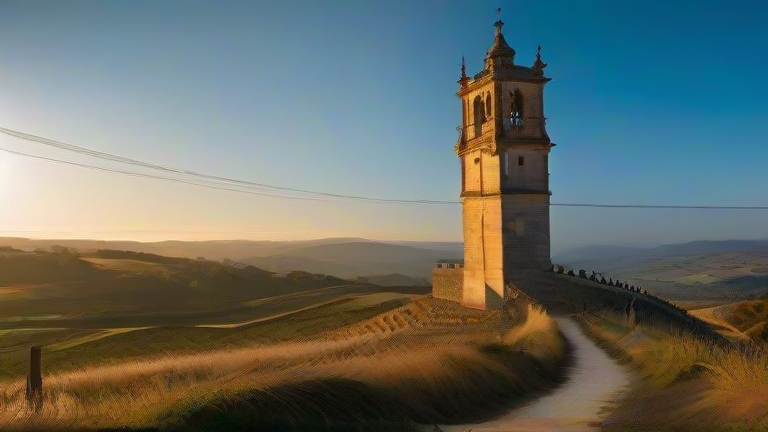
TL;DR: The Camino de Santiago in Galicia offers a transformative blend of physical endurance and mental clarity, significantly reducing cortisol levels through rhythmic walking and nature immersion. To maximize benefits, prioritize progressive muscle conditioning and mindfulness practices before departure to ensure sustainable well-being.
The Physiological Benefits of Long-Distance Walking
Walking for several miles a day on the Camino de Santiago is not merely a logistical challenge; it is a profound biological intervention. Recent studies in sports medicine indicate that consistent, moderate-intensity walking lowers resting heart rate and improves cardiovascular efficiency. For individuals dealing with high-stress lifestyles, the Camino acts as a natural antidote. The repetitive motion of walking triggers the parasympathetic nervous system, which helps lower cortisol and blood pressure. This physiological shift allows the mind to enter a meditative state, often described by pilgrims as “flow.” Unlike high-intensity interval training, which can spike stress hormones if not managed correctly, long-distance walking promotes a steady release of endorphins and serotonin, enhancing mood and emotional resilience over weeks rather than days.
If you want to dig deeper, check out our guide on 7 Simple Lifestyle Habits for a Happier, Healthier Life.
Preparing Your Body: Science-Backed Training
Attempting to walk 20 kilometers a day without preparation leads to injury and burnout. Start training 8 to 12 weeks before your trip. Focus on building a base mileage of at least 15 kilometers per week, gradually increasing by no more than 10% per week to prevent overuse injuries like shin splints or plantar fasciitis. Strengthening the core and gluteal muscles is critical, as these stabilizers protect the lower back during long hours on uneven terrain. Incorporate hill repeats to mimic the Galician landscape, which is characterized by rolling hills and steep ascents. Additionally, break in your footwear for at least 50 hours prior to departure. Blisters are the primary cause of early pilgrimage termination. Use anti-chafe balms and high-quality hiking socks made from merino wool, which wicks moisture and reduces friction more effectively than cotton.
Nutrition and Hydration Strategies
Fueling the body correctly is essential for sustained energy. Aim for a balanced diet rich in complex carbohydrates, lean proteins, and healthy fats. Avoid excessive processed sugars that cause energy crashes. In Galicia, the local cuisine offers excellent options such as pulpo (octopus) and galician rice dishes, which provide sustained energy and essential nutrients. Hydration is often underestimated. Even in mild temperatures, walking for hours leads to significant fluid loss. Drink water consistently throughout the day rather than waiting until you feel thirsty. Electrolyte balance is crucial to prevent cramps and fatigue. Carry a small bottle of electrolyte powder or consume natural sources like coconut water or fruits with high potassium content. Listen to your body’s signals; hunger and thirst are the body’s most honest communicators.
Mental Wellness and Mindfulness
The Camino is as much a mental journey as a physical one. The absence of digital distractions in rural Galicia allows for deep introspection. Practice mindfulness by focusing on your breath and the sensation of your feet hitting the ground. This grounding technique reduces anxiety and improves present-moment awareness. Many pilgrims report a sense of cognitive clarity after several days of walking, often referred to as “Camino clarity.” This phenomenon is linked to the reduction of mental clutter and the release of dopamine associated with achievement and social connection. Engage with fellow pilgrims in albergues (hostels) to foster a sense of community. Social support is a key determinant of long-term mental health, and the shared experience of the Camino creates unique, lasting bonds.
FAQ
Q: How many miles should I walk per day?
A: Most pilgrims walk between 15 and 20 kilometers (9 to 12 miles) daily, which takes approximately 6 to 8 hours including rest breaks. It is better to walk fewer miles and arrive with time to rest and socialize than to rush and exhaust yourself. Adjust your daily distance based on your fitness level and the specific stage of the route.
Q: What is the best time of year to walk
Leave a Reply