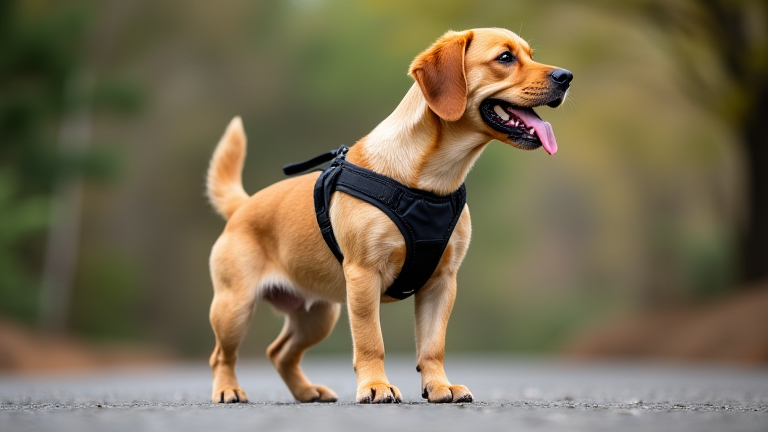
TL;DR: Invest in a high-quality, properly fitted harness to prevent neck injuries that lead to expensive veterinary surgeries. By prioritizing your dog’s safety during walks, you avoid costly treatments for tracheal collapse and spinal damage, saving thousands in potential medical bills.
Why Harnesses Save Money
If you want to dig deeper, check out our guide on Running Experiments? Boost Results With These Pro Tips.
Dogs with fragile necks or prone to pulling are at significant risk when using traditional collars. Every tug on a leash transmits force directly to the trachea, cervical spine, and delicate blood vessels. Over time, this chronic pressure causes irreversible damage, leading to conditions like tracheal collapse, chronic coughing, and severe spinal issues. Veterinary treatments for these conditions often involve surgery, lifelong medication, and extensive diagnostic imaging, easily costing thousands of dollars. A well-designed harness distributes this force across the stronger chest and shoulder muscles, effectively neutralizing the danger. This proactive approach is far cheaper than reactive medical care. Choosing the right equipment is not just about comfort; it is a critical financial safeguard for your pet’s long-term health.
Step-by-Step Selection Guide
Start by measuring your dog’s girth, which is the widest part of the ribcage behind the front legs. Do not rely on general size charts like small, medium, or large, as breed standards vary wildly. A Chihuahua’s “small” is vastly different from a Boxer’s “small.” Accurate measurements are the foundation of a safe fit.
Next, select the type of harness that matches your dog’s behavior. For dogs that pull heavily, choose a front-clip harness. The leash attachment point on the chest encourages the dog to turn toward you when they pull, naturally reducing tension without harming the neck. For well-behaved dogs or those prone to escaping, a back-clip or dual-clip harness offers stability. Avoid vests that are overly bulky, as they can restrict shoulder movement and cause overheating during exercise.
Check the materials carefully. Look for durable nylon or neoprene with reinforced stitching. Cheap plastic buckles can snap under stress, leading to escape incidents or injuries. Ensure the padding is thick enough to prevent chafing but not so thick that it hides the fit. The harness should sit high on the chest, just behind the front legs, never resting on the throat.
Finally, perform the fit test. You should be able to slide two fingers comfortably under any strap. If you can fit more, it is too loose and risks slipping off. If you can fit none, it is too tight and restricts breathing or movement. Adjust the straps while the dog is standing naturally. Walk around the block to observe any shifting. If the harness rides up toward the neck or pinches the armpits, it is the wrong model. Investing time in this selection process prevents the need for veterinary intervention later, securing your dog’s health and your wallet.
FAQ
Q: Can I use a regular collar for my small dog?
A: Only if your dog never pulls and has a robust trachea. However, harnesses are universally safer for preventing neck injuries, regardless of size.
Q: How do I know if the harness is too tight?
A: If you cannot slide two fingers underneath any strap while the dog is standing, it is too tight and may restrict movement or breathing.
Q: Will a harness stop my dog from pulling completely?
A: No harness stops pulling instantly. A front-clip harness discourages pulling by redirecting the dog’s momentum, but training is still required for reliable behavior.
Leave a Reply