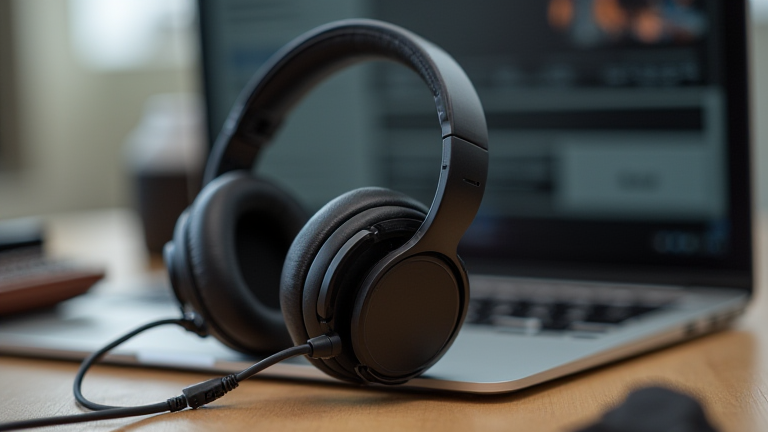
TL;DR: The Sony WH-1000XM5 remains the gold standard for remote work due to its exceptional noise cancellation and call clarity, while the Bose QuietComfort Ultra offers superior comfort for all-day wear. Both models dominate the market by effectively isolating background distractions, ensuring professional audio quality during virtual meetings.
The Evolution of Professional Audio
The landscape of remote work has fundamentally altered our relationship with technology, particularly regarding audio peripherals. As hybrid work models become the norm rather than the exception, the demand for high-fidelity, noise-canceling headphones has surged. These devices are no longer mere accessories for music lovers but essential tools for productivity. The latest generation of headphones leverages advanced signal processing algorithms to distinguish between human speech and ambient noise, creating a focused acoustic environment that mimics the quietude of a private office.
If you want to dig deeper, check out our guide on 7 Simple Lifestyle Habits to Transform Your Daily Routine.
Top Contenders in the Market
Sony’s WH-1000XM5 continues to lead the pack with its newly developed integrated processor, V1, and two noise-canceling drivers. This dual-driver setup allows for more precise noise cancellation, effectively silencing the hum of air conditioners and the chatter of open-plan offices. The microphone system has also been upgraded with four beamforming microphones and an AI-based noise reduction algorithm, ensuring that your voice comes through crisply during Zoom or Teams calls. With a battery life of up to 30 hours and quick charging capabilities, the XM5 is built for the grueling schedules of modern professionals.
Bose, a pioneer in active noise cancellation, has responded with the QuietComfort Ultra Headphones. These headphones prioritize comfort without compromising on performance. The plush ear cushions and lightweight design make them ideal for wearing for eight hours straight. Bose’s Immersive Audio feature adds a spatial dimension to music and movies, providing a mental break during long workdays. However, their true strength lies in their Call Noise Rejection technology, which uses a proprietary microphone array to isolate speech from background noise, a critical feature for maintaining professional credibility during video conferences.
Industry Impact and Future Trends
The impact of these technological advancements extends beyond individual productivity. Companies are increasingly recognizing the importance of providing high-quality audio equipment to remote employees to reduce fatigue and improve communication efficiency. The integration of AI into headphone firmware is a growing trend, allowing devices to adapt to different acoustic environments in real-time. This adaptability is crucial for workers who frequently switch between noisy coffee shops and quiet home offices.
Furthermore, the rise of spatial audio is changing how we consume media during breaks, offering a more immersive experience that can enhance mental well-being. As battery technologies improve and materials become lighter, the boundary between convenience and performance continues to blur. Consumers are now demanding devices that not only cancel noise but also enhance the overall quality of their digital interactions. The competition between tech giants is driving rapid innovation, resulting in products that are smarter, quieter, and more comfortable than ever before.
FAQ
Q: Which headphones are best for long-distance calls?
A: The Sony WH-1000XM5 is highly recommended due to its advanced AI-based noise reduction algorithm and four beamforming microphones, which ensure clear voice transmission in noisy environments.
Q: Are noise-canceling headphones comfortable for all-day wear?
A: Yes, models like the Bose QuietComfort Ultra are specifically designed with plush cushions and lightweight frames to minimize fatigue during extended use, making them suitable for full workdays.
Q: How does AI improve remote work audio quality?
A: AI algorithms analyze audio inputs in real-time to distinguish between speech and background noise, dynamically adjusting noise cancellation and microphone sensitivity to optimize call clarity and reduce listener fatigue.
Leave a Reply