AI Agents Replace Junior Devs in Enterprise

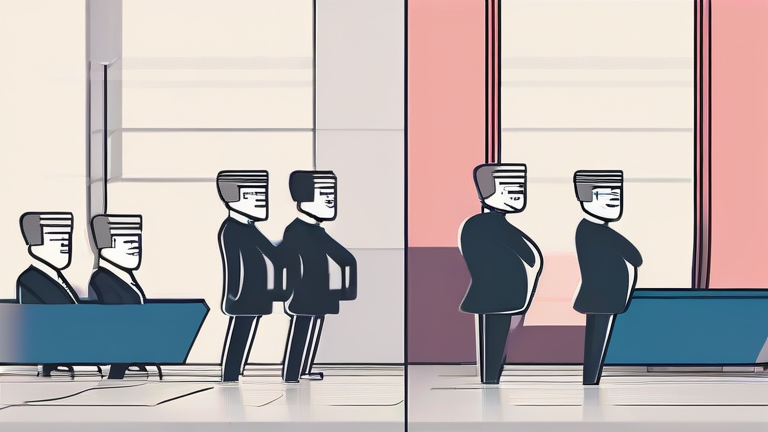
The landscape of software engineering is undergoing a seismic shift. For decades, entry-level positions have served as the primary pipeline for talent development, offering fresh graduates the chance to learn by doing. However, a new era is dawning where autonomous AI agents are not just assisting developers but are actively taking over the foundational tasks previously reserved for junior engineers. This transition is not merely speculative; it is already reshaping enterprise hiring practices and operational workflows.
According to recent market data from Gartner, 40% of large enterprises plan to integrate AI agents into their development lifecycles by the end of 2025. This represents a significant jump from just 15% in 2023. The driving force behind this adoption is efficiency. AI agents can generate boilerplate code, write unit tests, and debug simple errors with speed and accuracy that often surpass human counterparts. For corporations looking to trim operational costs while maintaining output quality, the financial incentive is undeniable. A report by McKinsey estimates that AI-driven automation could reduce software development costs by up to 30% within the next five years, largely by minimizing the need for extensive junior-level oversight.
Industry experts warn that this shift requires a rethinking of career trajectories. “The ‘learn on the job’ model is breaking,” says Sarah Chen, a leading technology analyst at TechInsights. “Companies are no longer willing to invest two years in training someone who can be replaced by a sophisticated prompt or an autonomous agent. The value proposition of a junior developer is evaporating.” This sentiment is echoed by hiring managers who report a sharp decline in the number of applications for entry-level coding roles. Instead, firms are seeking mid-level engineers who can orchestrate AI tools, review complex logic, and manage system architecture.
Looking ahead, the prediction is clear: the role of the developer will evolve from coder to architect. Future developers will spend less time typing syntax and more time defining problems, designing systems, and ensuring ethical compliance. AI agents will handle the implementation details, allowing human engineers to focus on high-level creativity and strategic decision-making. However, this transition will not be seamless. There will be a significant disruption period where the supply of experienced talent out
Leave a Reply