Voice-First Ambient Computing: The Future of Smart Homes
The modern smart home has long been defined by screens, apps, and the constant friction of tapping glass. We have become accustomed to pulling out our phones to dim the lights, check the weather, or start our morning coffee. However, a subtle yet profound shift is underway, moving us away from this visual-centric model toward a voice-first, ambient computing experience. This evolution is not merely about convenience; it is about reclaiming our attention and restoring a sense of calm to our daily routines.
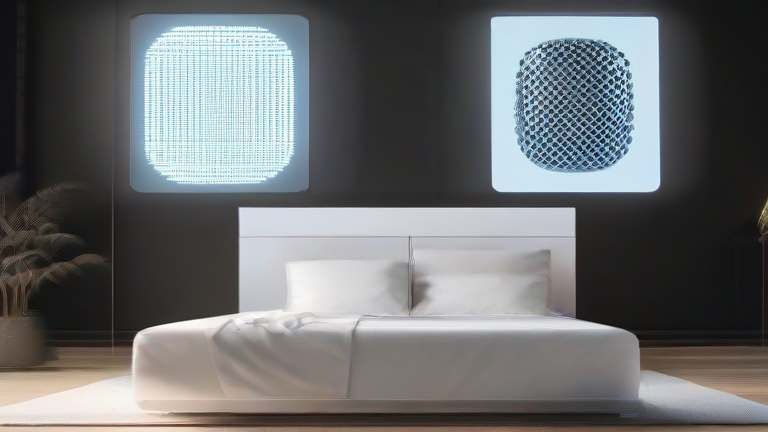
Imagine waking up not to the harsh glare of a smartphone notification, but to the gentle, natural warmth of sunlight gradually filling your bedroom. Your smart home system, having learned your sleep patterns, has already adjusted the thermostat and opened the blinds. As you stretch, your morning playlist begins, curated by an AI that understands your mood based on the time of day and the weather outside. There is no need to unlock a device. The environment simply responds to your presence and intent, creating a seamless backdrop for your day.
If you want to dig deeper, check out our guide on 10 Proven Health Tips to Boost Your Energy and Vitality Toda.

This ambient intelligence extends deeply into our culinary and cultural lives. In the kitchen, voice assistants are evolving from simple timers to intelligent sous-chefs. As you chop vegetables, you can ask for substitution suggestions based on what is already in your fridge, or request a recipe that matches the seasonal ingredients available in your local market. The kitchen becomes a space of flow rather than interruption. Similarly, in our living spaces, ambient audio transforms our homes into cultural hubs. You can ask your home to play a jazz station from New Orleans or a classical piece from Vienna, effectively transporting you across the globe without leaving your armchair.
For those focused on personal growth, this technology offers a unique opportunity for mindfulness. Instead of forcing ourselves to meditate in silence, our homes can adapt to support our mental well-being. During a yoga session, the lighting might soften to a calming amber, while subtle, nature-based soundscapes help deepen your focus. The technology works in the background, supporting our intentions without demanding our active engagement. It is a return to a more intuitive relationship with our surroundings, where technology serves us silently and effectively.
As we move further
Leave a Reply