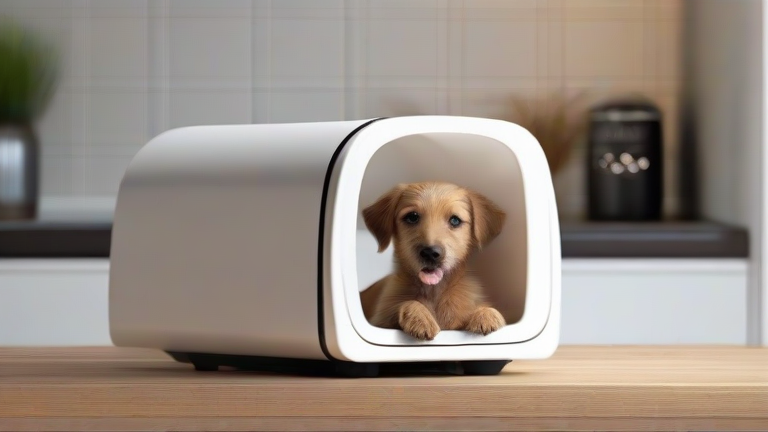
TL;DR: When your smart feeder fails, immediately switch to manual feeding using pre-portioned dry food stored in airtight containers to ensure consistency. Always have a backup power source or battery-operated feeder ready to prevent gaps in your pet’s nutritional intake during unexpected outages.
Embracing the Digital Pause
In our increasingly automated homes, the smart feeder has become a cornerstone of modern pet care. These devices offer convenience, allowing owners to dispense precise portions of food at scheduled intervals, even when they are miles away. However, this reliance on technology comes with inherent risks. When Wi-Fi drops, batteries die, or software glitches occur, the immediate question arises: how do we maintain our pets’ health and routine without digital assistance? The answer lies in preparation, understanding basic nutritional needs, and having a robust backup plan that does not rely on electricity or internet connectivity.
The Importance of Routine and Nutrition
Pets thrive on routine. A sudden change in feeding times or food availability can cause significant stress, leading to behavioral issues or digestive upset. From a scientific perspective, consistent feeding schedules help regulate blood sugar levels and maintain optimal metabolic function. When technology fails, the goal is not just to provide calories, but to maintain the rhythm of your pet’s day. Start by identifying the exact amount of food your pet requires per meal. Measure this out in advance using standard measuring cups or portion control bowls. Store these pre-portioned servings in sealed, airtight containers to preserve freshness and prevent pest infestation. This method ensures that even if the smart feeder is offline for days, your pet receives the same nutritional balance they are accustomed to.
Practical Backup Strategies
Beyond manual feeding, consider implementing a low-tech backup system. A simple gravity feeder can serve as an emergency measure for dry food, ensuring your pet has access to nourishment without human intervention. While not ideal for long-term portion control due to potential overeating, it is a safe stopgap during short-term outages. Additionally, keep a stockpile of non-perishable pet food in your emergency kit. This is crucial for extended power failures or natural disasters where technology may be unavailable for longer periods. Regularly check expiration dates and rotate stock to ensure quality.
Mental Well-being and Stress Reduction
Feeding time is also a critical bonding opportunity. During a tech failure, take this as an opportunity to engage more directly with your pet. Hand-feeding small portions can strengthen your bond and provide mental stimulation. It also allows you to monitor your pet’s appetite closely, which is a key indicator of overall health. If you notice a sudden decrease in food intake, it may signal an underlying medical issue rather than just hunger. Therefore, staying present during meals is beneficial for both physical and emotional wellness.
FAQ
Q: How long can a pet go without food during a smart feeder outage?
A: Healthy adult dogs and cats can typically go 24 to 48 hours without food without severe health consequences, provided they have access to fresh water. However, it is crucial to feed them as soon as possible to maintain routine and prevent anxiety.
If you want to dig deeper, check out our guide on Semaglutide Linked to 26% Lower 5-Year Dementia Risk.
Q: What is the best backup power source for smart feeders?
A> Using a high-capacity portable power bank or a battery-operated backup feeder is the most reliable solution. Ensure your power bank is fully charged and compatible with your feeder’s voltage requirements to maintain functionality during grid outages.
Q: Can I switch to wet food if my smart feeder is broken?
A> Yes, but you must consider storage and safety. Wet food spoils quickly at room temperature and requires refrigeration. If you switch to wet food, feed smaller, more frequent portions and discard any uneaten food after two hours to prevent bacterial growth.
Leave a Reply