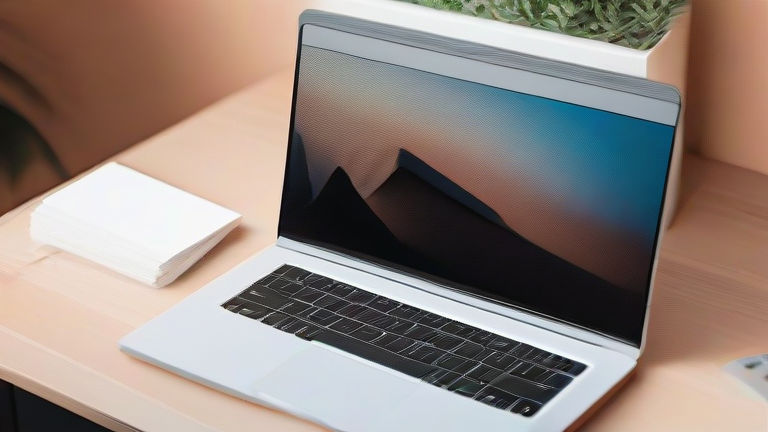
Remote Work Is Here to Stay: The New Permanent Standard

The corporate world underwent a seismic shift during the early 2020s, but the aftershocks have settled into a new, stable rhythm. What began as an emergency necessity has evolved into a deliberate lifestyle choice for millions. Remote work is no longer a temporary perk; it is the new permanent standard, reshaping how we define productivity, community, and personal growth. This transition is not just about where we sit, but who we become when we reclaim our time and autonomy.
Redefining the Commute as Cultural Exploration
The most immediate benefit of remote work is the dissolution of the daily commute. For many, this saved time was initially used for more sleep or household chores. However, a growing subset of professionals is using this freedom for deep cultural immersion. This phenomenon, often called “workation,” allows individuals to embed themselves in foreign communities for weeks or months at a time. Instead of visiting Paris as a tourist snapping photos, a remote worker might take a morning class in calligraphy or join a local hiking group in the Alps. This shift transforms travel from passive consumption to active participation. You are no longer an observer of culture; you are a temporary resident, engaging with local rhythms, languages, and traditions on a daily basis.
The Culinary Journey of the Home Office
Food culture is another area profoundly impacted by this lifestyle change. Without the constraint of a midday office lunch break, remote workers have the luxury of slow, intentional eating. The monotony of the office cafeteria is replaced by the exploration of local markets and home cooking. In cities like Lisbon or Bangkok, digital nomads are discovering that their workspace is their kitchen. They spend hours sourcing fresh ingredients, learning traditional recipes, and hosting dinner parties with neighbors they meet through local expat or professional groups. This culinary engagement fosters a deeper connection to
Leave a Reply