
Carbon Capture Tech Scales for Industrial Use
The race to net zero has entered a critical new phase. For years, carbon capture, utilization, and storage (CCUS) technology was viewed as a promising but expensive niche solution, largely confined to pilot projects and laboratory settings. However, 2024 marks a definitive turning point. Major industrial players are no longer just testing the waters; they are deploying large-scale infrastructure capable of handling millions of tons of CO2 annually. This shift from experimental to operational is driven by stringent regulatory frameworks, falling technology costs, and a surge in private investment aimed at decarbonizing heavy industry.
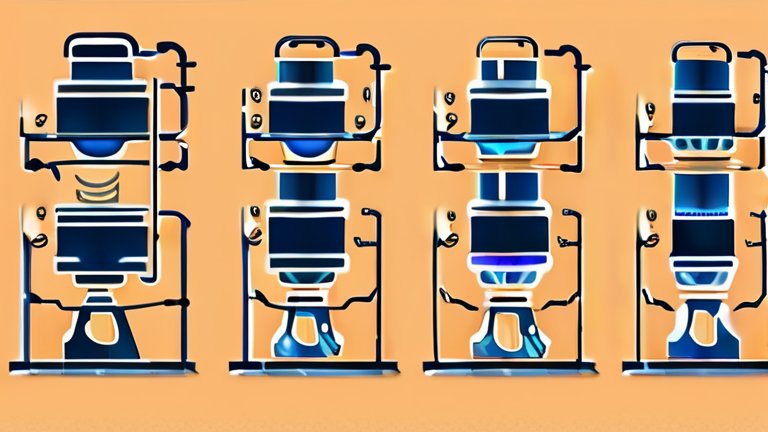
Recent developments in direct air capture (DAC) and point-source capture systems have yielded impressive specifications that challenge previous skepticism. The latest generation of modular capture units can process up to 10,000 metric tons of CO2 per year, a significant jump from the hundreds of tons typical just five years ago. These systems utilize advanced amine-based solvents and novel metal-organic frameworks (MOFs) that increase absorption efficiency by 30% while reducing energy consumption by nearly half. Furthermore, new integration methods allow these units to be retrofitted onto existing cement, steel, and ammonia plants with minimal operational downtime, a crucial factor for industry adoption.
If you want to dig deeper, check out our guide on 10 Simple Lifestyle Habits to Boost Your Daily Well-Being.
The industrial impact of this scaling is profound. Sectors that have long been considered “hard-to-abate” are now finding viable pathways to reduce their carbon footprints. In the cement industry, which accounts for approximately 8% of global CO2 emissions, new capture modules are being installed directly onto kiln exhaust streams. Similarly, the steel sector is partnering with energy firms to capture emissions from blast furnaces, turning waste gas into a feedstock for synthetic fuels or permanent geological storage. This not only helps companies meet compliance targets but also creates new revenue streams through carbon credits and the sale of captured CO2 for enhanced oil recovery or industrial applications.
Despite these advancements, challenges remain. The primary hurdle is still cost. While prices are dropping, capturing and storing carbon
Leave a Reply