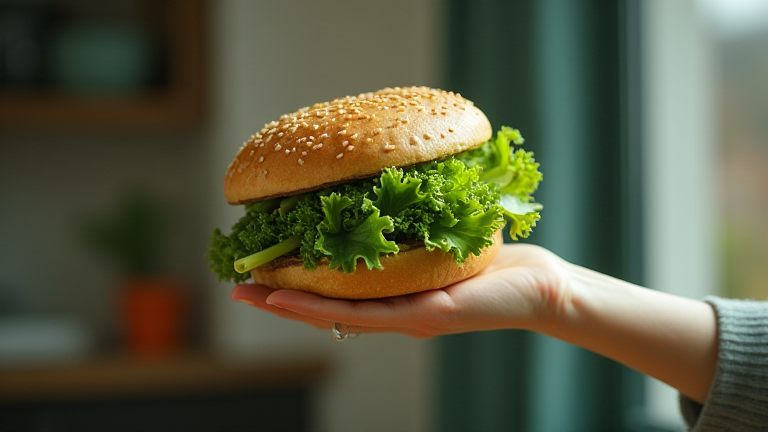
TL;DR: Produce anxiety significantly reduces consumer willingness to purchase fresh fruits and vegetables by creating psychological barriers related to perceived waste and preparation effort. Businesses can mitigate this by implementing transparent sourcing strategies, offering pre-prepared solutions, and educating consumers on the economic and health value of reducing food waste.
The Hidden Cost of Freshness Anxiety
In the modern retail landscape, the term “produce anxiety” has emerged as a critical, yet often overlooked, factor influencing consumer behavior. This psychological phenomenon refers to the stress shoppers feel when buying fresh produce due to fears of spoilage, inconsistent quality, or the inability to prepare it before it goes bad. Unlike packaged goods, fresh fruits and vegetables are perishable and variable, making them high-risk purchases for time-poor consumers. This anxiety does not just affect individual household budgets; it has profound implications for public health and corporate revenue streams. When consumers avoid the produce aisle, they opt for shelf-stable, processed alternatives, leading to a decline in nutritional intake across demographics.
Market Analysis: The Shift in Consumer Priorities
Recent market data indicates a stark divergence between consumer intent and action. Surveys reveal that while over eighty percent of shoppers claim to prioritize healthy eating, only a minority consistently buy fresh produce. The gap is driven by the “waste factor.” Consumers calculate the hidden cost of throwing away wilted greens or bruised apples, which often exceeds the price of the item itself. Consequently, the fresh produce segment faces stagnation in developed markets, where inflation has already squeezed household spending power. Meanwhile, emerging markets show a different trend, where access is the primary barrier, not anxiety. However, as global supply chains become more complex, the uncertainty of availability fuels anxiety even in stable markets. Retailers who fail to address this psychological hurdle risk losing market share to convenience-focused competitors who offer pre-packaged, guaranteed-quality options.
Strategic Insights for Retailers and Brands
To combat produce anxiety, businesses must adopt a multi-faceted strategy centered on transparency, convenience, and education. First, transparency in sourcing is crucial. Consumers want to know exactly where their food comes from and how fresh it is. Digital tools, such as QR codes linking to farm origins, can build trust and reduce the fear of unknown quality. Second, convenience is king. Offering pre-washed, pre-cut, and portion-controlled produce eliminates the preparation barrier that causes much of the stress. While these items command a premium price, they offer peace of mind, which is a valuable commodity. Third, education plays a vital role. Campaigns that teach consumers how to store produce correctly and how to repurpose leftovers can extend shelf life, thereby reducing waste and anxiety.
Case Studies in Success
Consider the success of major supermarket chains that have introduced “ugly produce” sections. By marketing imperfect but nutritious fruits and vegetables at a discount, these retailers have turned a liability into an asset. This strategy not only reduces waste but also normalizes imperfection, alleviating the pressure on consumers to buy only perfect-looking items. Another example is the rise of meal-kit services that include specific quantities of fresh produce. By providing exact recipes and portion sizes, these services ensure that every ingredient is used, eliminating the fear of spoilage. These case studies demonstrate that when businesses align their offerings with consumer psychological needs, they can drive both sales and social good.
FAQ
Q: What is produce anxiety?
A: Produce anxiety is the stress consumers feel when buying fresh fruits and vegetables due to fears of spoilage, waste, and preparation difficulty.
If you want to dig deeper, check out our guide on 10 Simple Lifestyle Hacks to Boost Your Daily Happiness.
Q: How does produce anxiety affect public health?
A: It leads to reduced consumption of fresh fruits and vegetables, causing populations to rely on processed, less nutritious alternatives.
Q: What strategies can retailers use to reduce produce anxiety?
A: Retailers can use transparent sourcing, offer pre-prepared convenience products, and educate consumers on storage and waste reduction.
Leave a Reply