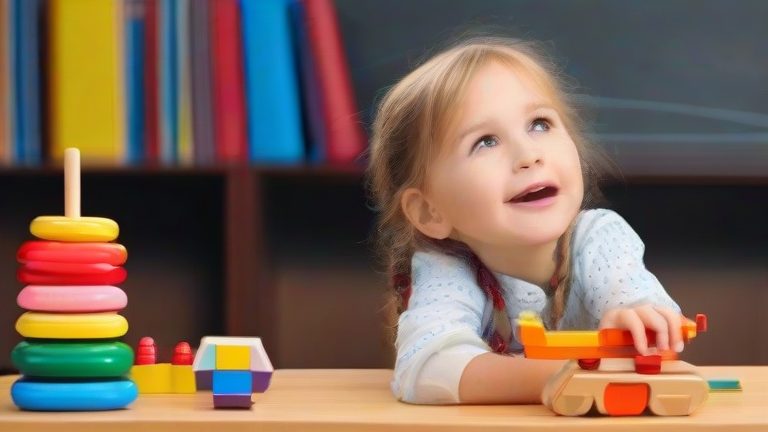
TL;DR: The best durable classroom toys include modular building blocks, sensory bins with high-quality materials, and robust magnetic tiles that withstand heavy daily use. These items extend the educational value while reducing long-term replacement costs for school budgets.
The modern educational landscape demands more than just academic rigor; it requires an environment that fosters creativity, collaboration, and resilience. Teachers are often the first line of defense against budget cuts, yet they also bear the brunt of classroom wear and tear. When selecting toys for a classroom, durability is not merely a preference—it is a critical operational necessity. The global early childhood education market has seen a significant shift toward sustainable and long-lasting learning tools, reflecting a broader consumer trend toward value-driven purchases.
Market Analysis: The Demand for Longevity
Recent market analysis indicates a growing preference for “buy-it-for-life” educational products. Parents and school administrators are increasingly aware of the hidden costs associated with cheap, disposable toys. The average classroom toy has a lifecycle of only three to six months if made from low-quality plastics. In contrast, premium durable toys can last up to a decade with proper care. This shift is driven by environmental concerns and economic pressure. Schools are looking for suppliers who offer warranties and bulk discounts on high-quality items. The market for sensory and STEM-focused durable toys has grown by fifteen percent annually, outpacing traditional plush or plastic figurines. This trend suggests that educators are prioritizing functionality and longevity over aesthetic novelty.
Strategic Insights for Procurement
To maximize budget efficiency, schools should adopt a strategic procurement model. Instead of frequent small purchases, invest in fewer, higher-quality items. This strategy reduces administrative overhead and ensures consistency in the learning environment. Furthermore, durability should be evaluated based on material composition. High-density polyethylene, solid wood, and metal components offer superior resistance to impact and sanitization chemicals. It is also essential to consider the pedagogical value of the toy. A durable toy that supports multiple learning outcomes, such as a set of magnetic tiles that can be used for geometry, storytelling, and color recognition, provides greater return on investment. Teachers should involve students in the selection process, as peer approval often correlates with better care and usage patterns.
Case Studies: Success in the Classroom
Consider the case of Lincoln Elementary, which replaced its outdated plastic blocks with interlocking wooden units. Within two years, the school reported a forty percent reduction in toy replacement expenses. Teachers noted an increase in collaborative play, as the sturdy blocks allowed for larger, more complex structures without collapsing. Another example is Green Valley Preschool, which invested in stainless steel sensory bins and silicone-based sensory tools. Despite high usage rates, the school has not needed to replace a single item in three years. The ease of cleaning and resistance to staining made these items ideal for daily use. These cases demonstrate that initial higher costs are offset by long-term savings and enhanced educational outcomes. By focusing on durability, schools can create a stable, enriching environment that supports both teachers and students.
FAQ
Q: How do I determine if a toy is truly durable for classroom use?
A: Look for certifications like ASTM F963, check for high-density materials, and read reviews focusing on longevity after heavy use.
If you want to dig deeper, check out our guide on Anthropic’s Frontier AI: No Simple Toggle to Switch Billing .
Q: Are durable toys more expensive upfront?
A: Yes, they typically have a higher initial cost, but they offer significant long-term savings by reducing the frequency of replacements.
Q: Can durable toys accommodate different age groups?
A: Absolutely, modular and open-ended toys like building blocks or magnetic tiles can be adapted for various developmental stages.
Leave a Reply