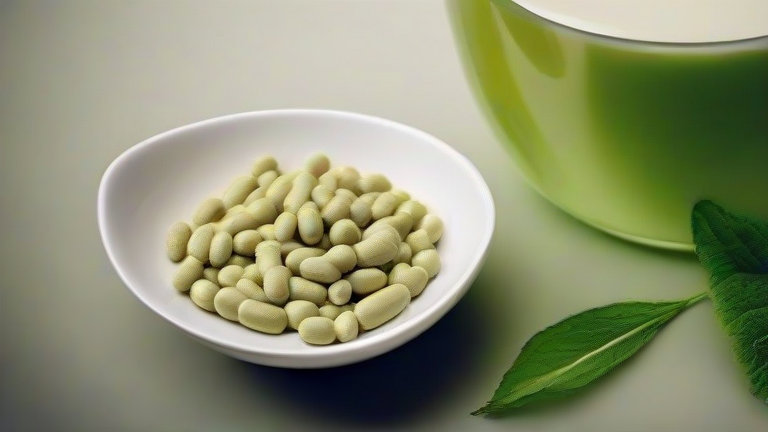
TL;DR: Probiotics significantly aid digestion by restoring gut microbial balance and enhancing nutrient absorption through competitive exclusion of harmful pathogens. While they do not replace digestive enzymes, they optimize the intestinal environment for better metabolic efficiency.
The Science of Gut Health
Your gastrointestinal tract hosts trillions of microorganisms, collectively known as the gut microbiome. These tiny inhabitants play a crucial role in breaking down complex carbohydrates, synthesizing essential vitamins like K and B12, and regulating immune responses. When this delicate ecosystem is disrupted by poor diet, stress, or antibiotic use, digestion suffers. Probiotics, which are live beneficial bacteria and yeasts, help replenish this population. Research indicates that specific strains, such as Lactobacillus and Bifidobacterium, can improve bowel regularity and reduce symptoms of irritable bowel syndrome (IBS). By maintaining a robust microbial community, probiotics ensure that the intestinal lining remains intact, which is vital for optimal nutrient absorption.
If you want to dig deeper, check out our guide on How to Write an SEO Tutorial: Step-by-Step Guide for Beginne.
Lifestyle Tips for Maximizing Benefits
To harness the full potential of probiotics, you must support them with a gut-friendly lifestyle. First, prioritize a diverse, fiber-rich diet. Prebiotics, found in foods like garlic, onions, bananas, and asparagus, serve as fuel for beneficial bacteria. Without adequate prebiotics, probiotic supplements may struggle to colonize effectively. Second, consider incorporating fermented foods into your daily routine. Yogurt, kefir, sauerkraut, kimchi, and kombucha are natural sources of live cultures that gently introduce beneficial microbes to your system. Third, manage stress levels, as chronic anxiety can negatively alter gut motility and microbial composition. Practices like mindfulness meditation and regular exercise have been shown to improve gut diversity. Finally, be patient. It often takes several weeks of consistent intake to notice significant changes in digestion. If you are taking antibiotics, space out your probiotic intake by at least two hours to ensure the bacteria survive the medication’s effects. Always consult a healthcare provider before starting new supplements, especially if you have compromised immune systems.
FAQ
Q: Can probiotics cure constipation?
A: While not a cure, certain strains like Bifidobacterium lactis have been shown to improve stool frequency and consistency in many individuals.
Q: Do I need to take probiotics every day?
A: Most beneficial bacteria do not permanently colonize the gut, so daily intake through food or supplements is generally recommended for sustained benefits.
Q: Are probiotics safe for everyone?
A: They are generally safe for healthy people, but those with severe illnesses or compromised immune systems should consult a doctor before use.
Leave a Reply