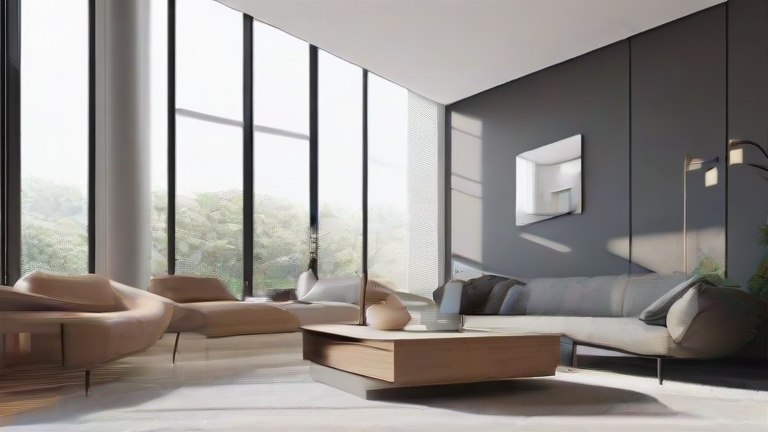
Smart Home Energy Optimization Is Now Standard
The modern household has evolved into a complex ecosystem of interconnected devices, where convenience meets efficiency. For years, the concept of a “smart home” was reserved for tech enthusiasts and early adopters who enjoyed tweaking settings for the sake of novelty. However, as technology has matured and become more accessible, smart home energy optimization has transitioned from a luxury feature to a standard expectation. This shift is not merely about demonstrating technological prowess; it is fundamentally about creating healthier, more sustainable living environments that support both physical well-being and mental clarity.
From a physiological perspective, the quality of your indoor environment directly impacts your health. Poor air circulation, excessive humidity, and improper temperature regulation can exacerbate respiratory issues, disrupt sleep patterns, and increase stress levels. Smart thermostats and air quality monitors have become indispensable tools in maintaining optimal indoor conditions. These devices use advanced algorithms to learn your daily routines and adjust heating or cooling accordingly. By preventing extreme temperature fluctuations, they help regulate your body’s circadian rhythm, leading to deeper, more restorative sleep. Research indicates that sleeping in a room kept between 60 and 67 degrees Fahrenheit can significantly improve metabolic health and immune function.
If you want to dig deeper, check out our guide on 10 Simple Lifestyle Habits to Boost Your Daily Well-Being.

Beyond temperature control, lighting plays a crucial role in wellness. Natural light exposure during the day helps regulate cortisol levels, while dimming lights in the evening supports melatonin production. Smart lighting systems allow users to automate these transitions seamlessly. By simulating natural daylight cycles, these systems can reduce eye strain and improve mood, particularly during the darker winter months. This bio-rhythmic approach to lighting is a simple yet powerful lifestyle tip that requires minimal effort but yields significant health benefits.
Furthermore, the psychological benefit of knowing your home is operating efficiently cannot be overstated. Energy anxiety is a real phenomenon, where individuals feel stressed about rising utility bills and their environmental impact. Smart home dashboards provide real-time feedback on energy consumption, empowering users to make informed decisions. This sense of control fosters a calmer domestic atmosphere, reducing household tension associated with financial worries. Additionally, by optimizing energy use, you contribute to a broader reduction in carbon emissions, aligning your
Leave a Reply