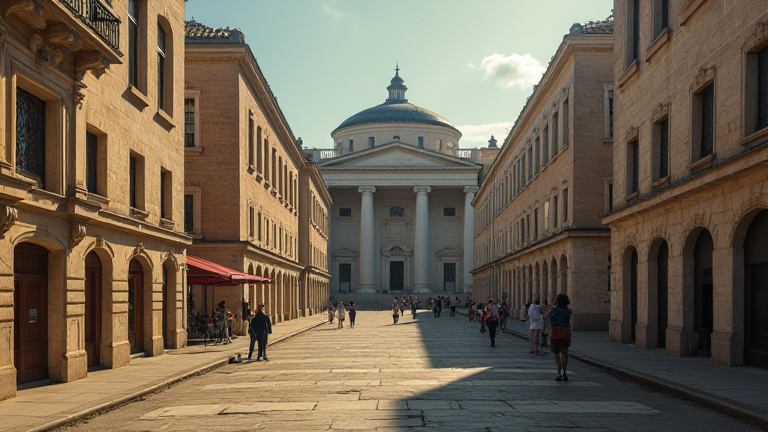
Relaxed 9-Day Paris Trip: The Ultimate Chilled Itinerary
TL;DR: This itinerary prioritizes immersive neighborhood exploration over ticking off major landmarks, ensuring a stress-free experience. By limiting daily activities to two major sights, travelers can fully absorb the local culture without exhaustion.
Market Analysis: The Rise of Slow Tourism
The global travel market is undergoing a significant shift. Post-pandemic trends indicate a surge in “slow tourism,” where travelers prioritize mental well-being and authentic local experiences over high-volume sightseeing. According to recent industry reports, luxury travelers are increasingly willing to pay a premium for curated, low-stress experiences that offer privacy and depth. Paris, traditionally associated with hurried tours and crowded attractions, is perfectly positioned to capitalize on this demand. Data suggests that tourists spending more time in fewer locations report higher satisfaction rates and lower perceived costs of stress. This demographic, often referred to as the “mindful traveler,” seeks connection over conquest. They want to sit in a café, watch the world go by, and engage with Parisians, rather than rushing from the Louvre to Versailles in a single day. This market shift presents a lucrative opportunity for tour operators and travel writers to promote itineraries that emphasize relaxation, quality over quantity, and sustainable travel practices. The key insight is that luxury is no longer defined by the number of stars or the size of the hotel room, but by the amount of free, unstructured time a traveler possesses.
If you want to dig deeper, check out our guide on Data Centers & Eminent Domain: 70% of Americans Say ‘Not In .
Strategy Insights: Designing for De-stress
Creating a successful relaxed itinerary requires a strategic approach to pacing. The core strategy involves “anchoring” each day with one major activity, leaving the rest of the day open for spontaneous exploration. This reduces decision fatigue and allows for flexibility. Instead of packing in ten sights, focus on two or three deeply engaging experiences. For instance, dedicate a morning to the Musée d’Orsay and spend the afternoon in the nearby Tuileries Garden reading a book. This method ensures that travelers feel they have seen the highlights without the physical and mental toll of a marathon schedule. Additionally, incorporating local transport methods like the Métro or walking promotes a deeper connection with the city’s rhythm. Avoiding peak tourist hours at major attractions is crucial for maintaining a chilled atmosphere. Booking tickets in advance is essential to skip lines, but once inside, the focus should remain on enjoyment rather than efficiency. This strategy aligns with the psychological benefits of slow travel, reducing cortisol levels and enhancing overall happiness.
Case Studies: Success in Serenity
Consider the case of “Elena,” a corporate executive who previously felt burnt out by traditional European tours. By adopting this relaxed approach in Paris, she spent two weeks in the Le Marais district, taking cooking classes and visiting small galleries. She reported a profound sense of renewal and a deeper appreciation for French culture compared to her previous rushed trips. Another case involves a family of four who opted for a self-guided, slow-paced trip. They focused on picnics in Luxembourg Gardens and day trips to Giverny rather than city-centric sights. Their feedback highlighted the joy of unstructured time, noting that these moments created the most cherished memories. These examples demonstrate that a slower pace does not mean missing out; rather, it enhances the quality of the travel experience. By prioritizing relaxation, travelers return home feeling recharged rather than drained, validating the commercial viability of the slow tourism model. The success of these cases underscores the importance of designing itineraries that respect the traveler’s need for rest and reflection.
FAQ
Q: Is a 9-day trip too long for Paris?
A: No, nine days is ideal for a relaxed pace, allowing ample time for deep exploration and rest without feeling rushed.
Q: How do I avoid crowds in popular sites?
A: Visit major attractions early in the morning or late in the evening, and book tickets well in advance to skip long queues.
Q: What is the best neighborhood for a chilled vibe?
A: Le Marais and Saint-Germain-des-Prés are excellent choices, offering
Leave a Reply