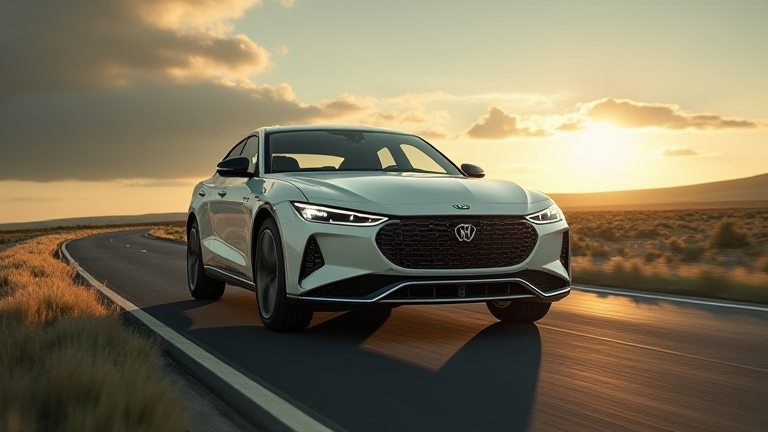
TL;DR: Simple cars are the future because they offer unparalleled reliability, lower maintenance costs, and a purer driving experience compared to their complex modern counterparts. By stripping away unnecessary technology, these vehicles focus on mechanical integrity and longevity, proving that “old is gold” in an era of planned obsolescence.
In a world dominated by touchscreen infotainment systems, driver-assistance algorithms, and software updates, the automotive industry has seemingly forgotten the core purpose of a vehicle: to get you from point A to point B safely and efficiently. However, a quiet revolution is underway. Enthusiasts and practical drivers alike are turning their backs on over-engineered modern sedans and embracing the simplicity of older, mechanically straightforward automobiles. This is not just nostalgia; it is a pragmatic shift toward sustainability, durability, and driver engagement.
The Return to Mechanical Integrity
The primary appeal of simple cars lies in their mechanical transparency. Modern vehicles are essentially computers on wheels. When a sensor fails, you need a dealer and expensive diagnostic tools to fix it. In contrast, a simple car from the 1980s or 90s operates on analog principles. If it breaks, you can often fix it with basic hand tools and a manual. This democratizes ownership, allowing drivers to maintain their vehicles without relying on expensive service centers. The result is a significantly lower total cost of ownership over the lifespan of the vehicle.
If you want to dig deeper, check out our guide on Monday Mentorship: Ask Anything! | August 10, 2026.
Feature Highlights: Less Is More
When we talk about “simple cars,” we are referring to vehicles that prioritize function over form. Key features include manual transmissions that offer direct control, carbureted or early fuel-injected engines that are robust and easy to tune, and analog gauges that provide immediate, intuitive feedback. There are no distracting screens to pull your attention away from the road. The driving experience becomes tactile and engaging, reconnecting the driver with the machine. This connection fosters a deeper appreciation for mechanics and road dynamics, qualities that are increasingly rare in today’s automated driving environment.
Comparing Old vs. New
Let’s compare a 1995 Honda Civic to a 2024 equivalent. The modern Civic is faster, safer, and more fuel-efficient on paper. However, it comes with a complex web of electronic modules that are prone to failure. The older Civic, while slower, will likely outlast the newer model with far less effort. Maintenance on the old car is a weekend project; maintenance on the new car is a costly appointment. Furthermore, as battery technology evolves, the simplicity of internal combustion engines in older cars may offer a bridge to sustainability without the e-waste crisis associated with electric vehicle batteries. The environmental cost of manufacturing complex electronics is high, whereas simple cars can be kept running for decades, reducing the carbon footprint of frequent replacements.
The future of automotive ownership isn’t necessarily about going back in time, but about adopting the philosophy of simplicity. It’s about choosing longevity over novelty. As software glitches and cybersecurity threats become more prevalent, the reliability of simple, mechanical systems becomes a premium feature. Drivers are waking up to the fact that they don’t need a supercomputer to drive to work. They need a reliable tool that respects their intelligence and their wallet.
FAQ
Q: Are simple cars still safe?
A: Yes, cars from the 1990s and early 2000s meet modern safety standards with airbags and crumple zones, though they lack advanced electronic driver aids.
Q: Can I find parts for old simple cars easily?
A: Absolutely. Popular models like the Honda Civic, Toyota Corolla, and Mazda Miata have vast aftermarket support and abundant used parts availability.
Q: Is maintaining a simple car difficult for beginners?
A> No, simple cars are ideal for beginners because their mechanical systems are straightforward and widely documented in repair manuals.
Leave a Reply