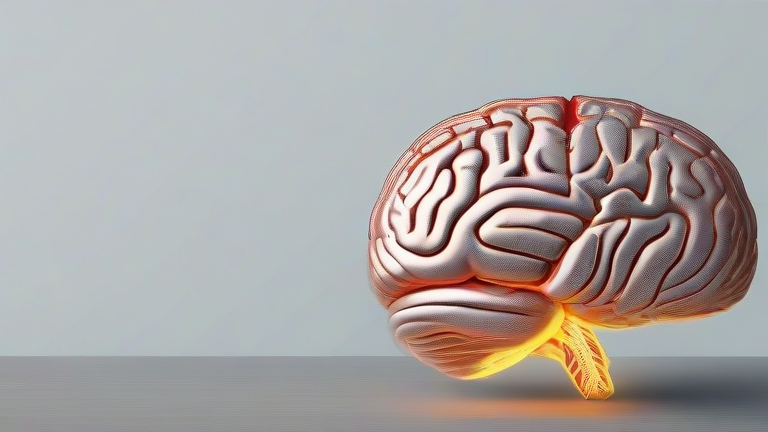
TL;DR: Your brain is wired to regain lost weight because it views body fat as a critical survival reserve, activating powerful hormonal signals to restore energy stores. This evolutionary mechanism prioritizes metabolic stability over modern aesthetic goals, making long-term weight maintenance a biological challenge rather than a failure of willpower.
Imagine standing on a rugged trail in the Swiss Alps, breathing in the crisp, thin air. You feel alive, present, and connected to the rhythm of nature. Now, imagine returning home to a kitchen filled with comforting, calorie-dense foods after weeks of disciplined hiking. It is not just about taste; it is a primal pull. This sensation mirrors the internal battle many face when trying to maintain weight loss. Our brains are not designed for the modern world of abundance. They are ancient guardians, evolved during times of scarcity where every calorie counted. When you lose weight, your brain perceives this as a threat to your survival. It triggers a cascade of hormonal responses that scream for energy restoration.
If you want to dig deeper, check out our guide on How to Use the iPhone 15 Pro Camera: A Beginner’s Tutorial.
The Hunger Hormones Take Over
Key hormones like ghrelin and leptin play starring roles in this drama. Ghrelin, known as the “hunger hormone,” spikes when your body is lighter, sending urgent signals to your brain to eat more. Meanwhile, leptin, which signals fullness, drops significantly. This imbalance creates a physiological state of intense hunger that is nearly impossible to ignore through mental discipline alone. It is not a lack of character; it is biology. Studies show that these hormonal changes can persist for years, even after weight stabilizes. Your brain is essentially stuck in survival mode, constantly nudging you toward higher caloric intake.
Culture and Comfort Food

Culture also influences this dynamic. In many societies, food is deeply tied to emotion, celebration, and comfort. Returning to familiar cultural foods can feel like a homecoming, yet it triggers the same biological alarms. Personal growth involves recognizing this interplay between biology and environment. Instead of fighting your brain, understand its intentions. Mindful eating practices can help bridge the gap. By slowing down and savoring meals, you give your brain time to process satiety signals. This approach respects your biology while fostering a healthier relationship with food.
Strategies for Balance
Building a sustainable lifestyle requires more than diet and exercise. It involves creating an environment that supports your new baseline. Surround yourself with supportive communities that value health over aesthetics. Engage in activities that reduce stress, as cortisol can exacerbate hormonal imbalances. Remember, your brain’s goal is your survival, not your vanity. Align your habits with this goal by focusing on nourishment rather than restriction. Over time, you can retrain your brain to accept a new set point through consistent, gentle adjustments. This journey is not about conquering nature but collaborating with it. Embrace the process, learn from your body’s signals, and find balance in the beautiful complexity of being human.
FAQ
Q: Why do I feel hungrier after losing weight?
A: Your body increases ghrelin production to signal energy deficit, triggering intense hunger to restore lost fat reserves.
Q: Can these hormonal changes be reversed?
A: While they may persist, consistent healthy habits and stress management can help your brain adapt to a new, healthier set point over time.
Q: Is weight regain a sign of failure?
A: No, it is a natural biological response designed for survival, not a moral or personal failing.
Leave a Reply