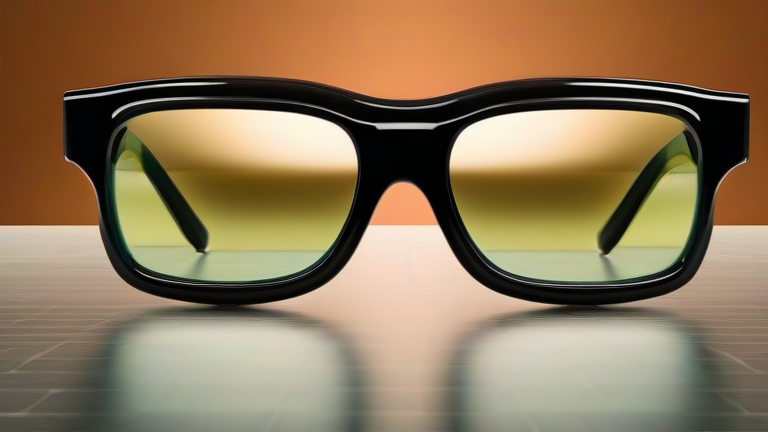
TL;DR: Meta’s Ray-Ban Smart Glasses have been prohibited in England and Wales courts due to strict privacy laws regarding covert recording. This ban highlights the growing tension between consumer wearable technology and judicial transparency requirements.
The recent prohibition of Meta’s Ray-Ban Smart Glasses within the courtrooms of England and Wales marks a significant milestone in the ongoing debate over privacy, technology, and legal ethics. These smart glasses, which feature high-definition cameras and audio recording capabilities, were deemed incompatible with the strict evidentiary standards and privacy protections mandated by the judicial system. While Meta has marketed these devices as tools for seamless content creation and communication, the legal community views them as potential vectors for unauthorized surveillance and evidence tampering. This decision is not merely a bureaucratic hurdle but a fundamental assertion of the rule of law in the digital age. Courts rely on the integrity of recorded proceedings, and the introduction of consumer-grade, easily concealable recording devices poses an unacceptable risk to this integrity. The ban affects not only litigants and lawyers but also members of the public who may wish to document court proceedings, reinforcing the principle that judicial processes must remain transparent yet protected from external, unregulated recording. This move underscores the difficulty tech giants face in adapting their products to jurisdictions with stringent data protection regulations, such as those enforced by the UK’s Information Commissioner’s Office. For Meta, this represents a significant market limitation, as the legal sector is a key demographic for professional communication tools. The company must now navigate a complex landscape where innovation clashes with regulatory compliance, forcing a reevaluation of its distribution and marketing strategies in sensitive environments. This case study serves as a cautionary tale for other technology firms entering regulated industries, illustrating that technological capability does not equate to legal permissibility. The broader implication is a shift toward stricter enforcement of existing privacy laws against new forms of wearable technology, setting a precedent that could influence policies in other common law jurisdictions. As wearable tech continues to evolve, the legal system’s resistance to unmonitored recording devices will likely intensify, creating a clear boundary between public convenience and judicial security. Companies must engage proactively with legal stakeholders to ensure their products meet the highest standards of ethical use and data security, lest they face similar bans in other critical sectors. The ban also highlights the need for clear, updated guidelines on the use of personal electronic devices in public institutions, ensuring that technological advancement does not compromise the foundational principles of justice and privacy.
If you want to dig deeper, check out our guide on How to Fix WordPress 503 Service Unavailable Error: Step-by-.
Market Analysis and Strategic Implications
The intersection of wearable technology and legal compliance presents both challenges and opportunities for market leaders. Meta’s experience in the UK judicial system illustrates the necessity of localized regulatory compliance strategies. By understanding the specific privacy concerns of different jurisdictions, companies can design product features that mitigate legal risks, such as disabling cameras in geo-fenced areas like courtrooms. This proactive approach can enhance brand trust and prevent costly bans. Furthermore, the ban serves as a case study in consumer behavior, showing that users are willing to accept restrictions when they understand the rationale behind them, particularly in the context of privacy and justice. For investors, this highlights the importance of regulatory risk assessment in tech valuations, as non-compliance can lead to immediate market exclusion in high-stakes environments.
FAQ
Q: Why were Meta Glasses banned in England & Wales courts?
A: The ban was implemented due to concerns over unauthorized recording and privacy violations, which conflict with strict judicial transparency and evidence integrity laws.
Q: Does the ban apply to all smart glasses?
A: The ban specifically targets devices with covert recording capabilities, such as Meta’s Ray-Ban Smart Glasses, affecting any wearable tech that can capture audio or video without clear notification.
Q: How does this affect Meta’s business strategy?
A: Meta must adapt its product features and marketing to comply with diverse regulatory environments, potentially implementing geo-fencing or software restrictions to prevent use in sensitive areas.
Leave a Reply