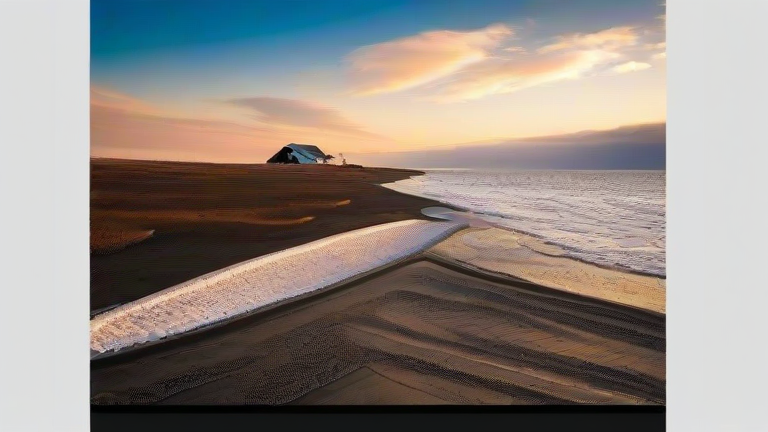
TL;DR: Traveling to Sakhalin Island in December 2025 offers a stark, pristine winter landscape ideal for cold-therapy enthusiasts, but requires rigorous preparation for extreme sub-zero temperatures. Prioritize layered thermal clothing, indoor air quality management, and vitamin D supplementation to maintain physical and mental wellness during your Arctic expedition.
Embracing the Arctic Chill: A Wellness-Centric Guide

Sakhalin Island, Russia’s largest island, transforms into a frozen wilderness in December, offering a unique blend of isolation and natural beauty. For the modern traveler seeking wellness, this destination is not just about sightseeing; it is an immersion into a high-latitude ecosystem that demands respect for physiological limits. The average temperature in December hovers between -10°C and -20°C (14°F to -4°F), creating an environment that can trigger acute cold stress if proper precautions are not taken. However, when managed correctly, cold exposure has been scientifically linked to improved metabolic health, reduced inflammation, and enhanced mood through the release of endorphins and norepinephrine.
Physiological Preparation and Layering Strategy
The key to enjoying Sakhalin’s December beauty lies in your approach to thermal regulation. Science-backed advice suggests the “three-layer system” as the gold standard for cold-weather activities. The base layer must be moisture-wicking, typically made of merino wool or synthetic fabrics, to prevent sweat from chilling your skin. The middle layer provides insulation, while the outer shell must be windproof and waterproof to protect against the biting Siberian winds. Avoid cotton entirely, as it retains moisture and drastically increases the risk of hypothermia. Additionally, protect extremities with thermal socks, insulated boots with non-slip soles, and a balaclava to prevent frostbite on exposed skin, particularly on the nose and ears.
Mental Wellness and Seasonal Adjustment

Beyond physical comfort, mental wellness is crucial in high-latitude regions where daylight hours are significantly reduced. In December, Sakhalin experiences only about five to six hours of daylight, which can disrupt circadian rhythms and contribute to seasonal affective disorder (SAD). To counteract this, incorporate light therapy into your daily routine. Use a 10,000-lux light box for 20 minutes each morning to mimic natural sunlight and regulate melatonin production. Furthermore, prioritize indoor activities that foster connection and relaxation. Visiting local thermal springs, known as “on-sens” in Russian culture, provides a scientifically supported method for muscle recovery and stress reduction. The contrast between freezing outdoor air and warm mineral waters can boost circulation and promote deep relaxation.
Nutritional Support for Cold Environments
Your body burns more calories to maintain core temperature in extreme cold. Increase your intake of complex carbohydrates and healthy fats to sustain energy levels. Foods rich in omega-3 fatty acids, such as local Sakhalin salmon, support heart health and reduce inflammation caused by cold exposure. Supplementing with Vitamin D is essential, as natural sunlight is insufficient during winter months. Consult with a healthcare provider before beginning any new supplement regimen to ensure appropriate dosage.
FAQ
Q: Is it safe for first-time visitors to travel to Sakhalin in December?
A: Yes, it is safe provided you hire experienced local guides, book accommodations with reliable heating, and strictly adhere to cold-weather safety protocols regarding clothing and hydration.
If you want to dig deeper, check out our guide on 7 Proven SEO Strategies to Boost Your Business Growth in 202.
Q: What are the best natural attractions to visit for wellness benefits?
A: The Tugarinov Canyon for its dramatic frozen waterfalls offers stunning views for mental rejuvenation, while the coastal hot springs in Khomutovsky provide therapeutic mineral baths ideal for muscle relaxation.
Q
Leave a Reply