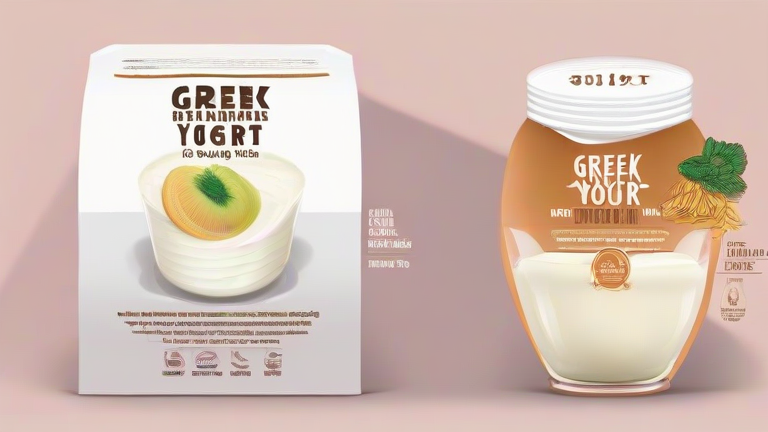
TL;DR: Greek yogurt delivers significantly higher protein and lower sugar than buttermilk, making it superior for muscle recovery and weight management. Buttermilk offers probiotics and lower caloric density, positioning it as an ideal hydration and digestive health beverage in the modern market.
The Nutritional Showdown: 100g vs 250ml
Understanding the nutritional disparity between these two dairy staples is crucial for both consumers and industry stakeholders. When comparing standard serving sizes, the data reveals distinct advantages. A 100-gram serving of plain Greek yogurt typically contains approximately 10 grams of protein, 4 grams of carbohydrates, and 5 grams of fat, with virtually no lactose. In contrast, a 250-milliliter serving of low-fat buttermilk provides roughly 8 grams of protein, 12 grams of carbohydrates, and 2 grams of fat. The carbohydrate difference is stark, primarily due to lactose content, which makes buttermilk slightly higher in calories despite its thinner consistency. Greek yogurt’s dense texture results from the straining process, which removes whey, concentrating the protein and fats while eliminating much of the sugar found in traditional milk products.

Market Analysis and Strategic Insights
The global dairy market is witnessing a shift toward functional foods that offer more than just basic nutrition. Greek yogurt has dominated the health-conscious segment, driven by the rise of fitness culture and the ketogenic diet. Brands are leveraging high-protein claims to capture premium pricing, often positioning their products as meal replacements or post-workout supplements. Conversely, buttermilk is experiencing a renaissance in the beverage sector, particularly in emerging markets like India and parts of Europe, where it is marketed as a natural probiotic drink. Strategic insight suggests that companies should differentiate their product lines by targeting specific health goals: Greek yogurt for satiety and muscle maintenance, and buttermilk for gut health and hydration.
Case Studies in Innovation
Fage Total Greek Yogurt successfully expanded its market share by emphasizing purity and high protein content, appealing directly to fitness enthusiasts. Their marketing strategy focused on transparency and minimal ingredients, which resonated with consumers skeptical of processed foods. On the other hand, Chobani has diversified its portfolio by introducing flavored Greek yogurts that balance taste with nutritional integrity, maintaining high protein levels while reducing added sugars. In the buttermilk sector, regional brands in Asia have pioneered carbonated buttermilk drinks, tapping into the growing demand for refreshing, low-calorie alternatives to sugary sodas. These case studies highlight the importance of aligning product formulation with consumer lifestyle trends.
FAQ
Q: Which is better for weight loss, Greek yogurt or buttermilk?
A: Greek yogurt is generally better for weight loss due to its higher protein content, which promotes satiety and reduces overall calorie intake.
If you want to dig deeper, check out our guide on Best Noise Cancelling Headphones for Work 2024.
Q: Can buttermilk be used as a substitute for Greek yogurt in baking?
A: No, buttermilk cannot directly substitute Greek yogurt in baking because it lacks the thickness and protein structure needed for texture and rise.
Q: Is buttermilk suitable for vegans?
A: Traditional buttermilk is not vegan as it is a dairy product, but plant-based alternatives made from fermented soy or almond milk are available.
Leave a Reply