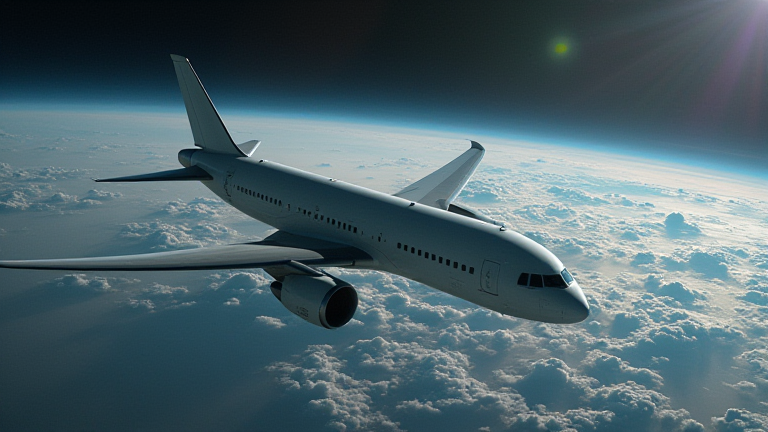
TL;DR: Suborbital space tourism offers civilians a brief glimpse of Earth’s curvature and weightlessness by flying above the Kármán line using rocket-powered spacecraft. These flights typically last about ten minutes, providing a unique, high-cost experience without entering full orbit.
Space Tourism: Suborbital Civilian Flights Explained
If you want to dig deeper, check out our guide on Quantum Computing: Commercial Error Correction Achieved.
Step 1: Choose Your Provider and Book Early
The first step in securing your seat among the stars is selecting a reputable commercial spaceflight company. Currently, Virgin Galactic and Blue Origin are the primary leaders in the suborbital market. Virgin Galactic utilizes a spaceplane launched from a carrier aircraft, while Blue Origin uses a vertical-landing rocket. Research each provider’s safety records, flight schedules, and ticket availability. Because these flights are extremely limited, booking often requires a significant deposit months or even years in advance. Visit their official websites to register your interest and attend any mandatory informational sessions. This initial phase is crucial for understanding the financial commitment, which currently ranges from approximately $250,000 to $450,000 per seat.
Step 2: Complete Medical and Physical Screening
Once you have secured a booking, you must pass rigorous medical examinations. Spaceflight is not suitable for everyone, and companies require passengers to be in excellent health. You will undergo a comprehensive physical exam, including cardiovascular assessments, vision tests, and blood work. Inform your medical team of any pre-existing conditions, such as high blood pressure, heart issues, or back problems. The goal is to ensure you can withstand the physical stresses of launch and reentry. Mental preparation is also encouraged, as the experience can be intense and emotionally overwhelming for first-time flyers.

Step 3: Attend Pre-Flight Training
Successful candidates must attend multi-day training programs at the provider’s spaceport. These sessions cover spacecraft systems, emergency procedures, and physical conditioning. You will learn how to secure yourself in the seat, operate basic controls if necessary, and recognize normal flight sensations. Training also includes centrifuge sessions to help you adapt to G-forces. This phase builds confidence and ensures you are prepared for the actual flight day. Pay close attention to safety briefings, as your cooperation is vital for a successful mission.
Step 4: Experience the Flight Day
On launch day, arrive early and complete final checks. You will suit up in a specialized flight suit and helmet. The launch process varies by provider but generally involves a powerful ascent into the upper atmosphere. Once you cross the Kármán line, approximately 62 miles above Earth, you will experience weightlessness. This microgravity phase lasts for several minutes, allowing you to float and view the blackness of space and the blue marble of Earth. During reentry, you will feel G-forces again as the vehicle slows down and lands. The entire experience, from launch to touchdown, lasts roughly two to three hours, with only a few minutes of actual spaceflight.
Step 5: Post-Flight Recovery and Celebration
After landing, take time to recover from the physical stresses. Drink plenty of water and rest. Most companies offer a post-flight celebration where you can share your experience with fellow passengers and crew. Take photos and videos to commemorate your journey. Reflect on the profound perspective shift that many astronauts describe, often called the “overview effect.” This emotional impact can be life-changing, fostering a deeper appreciation for our planet’s fragility and unity. Share your story responsibly, highlighting the engineering marvels and the human spirit of exploration.
FAQ
Q: How long does a suborbital flight last?
A: The entire experience from launch to landing typically takes about two to three hours, with approximately four to six minutes of weightlessness in space.
Q: Is space tourism safe for civilians?</strong
Leave a Reply