
TL;DR: Sustainable fashion reduces environmental harm and promotes ethical labor practices by prioritizing quality over quantity. Moving beyond fast fashion involves mindful consumption, choosing durable materials, and supporting transparent brands that value human rights.
The Hidden Cost of Cheap Clothes
The allure of fast fashion lies in its affordability and rapid turnover of trends, but the true cost extends far beyond the price tag. Every year, billions of tons of textile waste end up in landfills, releasing methane, a potent greenhouse gas. The production process itself is resource-intensive, requiring vast amounts of water and toxic chemicals that pollute local ecosystems. For your health, wearing garments treated with harmful dyes and finishes can lead to skin irritation and allergic reactions. By shifting toward sustainable choices, you protect both the planet and your physical well-being.
If you want to dig deeper, check out our guide on 10 Science-Backed Health Tips to Boost Your Energy and Immun.
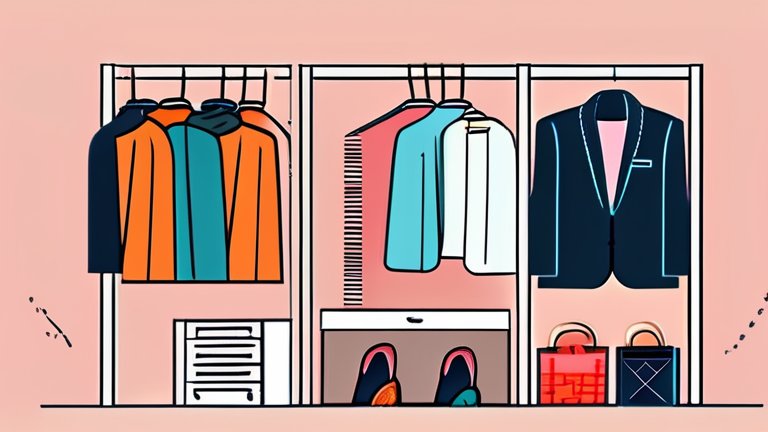
Building a Mindful Wardrobe
Transitioning to a sustainable lifestyle does not require throwing away your entire closet overnight. Instead, focus on making intentional decisions with future purchases. Prioritize natural fibers like organic cotton, linen, and hemp, which are biodegradable and breathable. These materials are less likely to harbor the synthetic microplastics associated with polyester, which can shed during washing and enter our food chain. Look for certifications such as GOTS (Global Organic Textile Standard) or Fair Trade to ensure ethical production standards. Investing in timeless pieces that fit well and last for years reduces the frequency of replacement, saving money and resources in the long run.
Practical Lifestyle Tips
Care for your clothes properly to extend their lifespan. Wash garments in cold water and air-dry them whenever possible to preserve fabric integrity and save energy. Embrace the practice of renting special occasion wear or shopping at thrift stores for unique finds. Repairing minor tears or replacing buttons can breathe new life into favorite items. Additionally, participate in clothing swaps with friends to refresh your style without spending money or creating waste. This community-driven approach fosters a deeper connection to your wardrobe and reduces the pressure to constantly follow fleeting trends. By valuing what you own, you cultivate a more mindful and fulfilling relationship with fashion.
FAQ
Q: Is sustainable fashion more expensive?
A: While upfront costs may be higher, sustainable garments often last longer, making them more cost-effective per wear over time.
Q: How can I verify if a brand is truly sustainable?
A: Look for third-party certifications like GOTS, Fair Trade, or B Corp, which verify ethical and environmental standards.
Q: Can I still follow trends sustainably?
A: Yes, by mixing timeless basics with one or two trendier, affordable pieces from ethical sources, or by thrifting unique items.
Leave a Reply