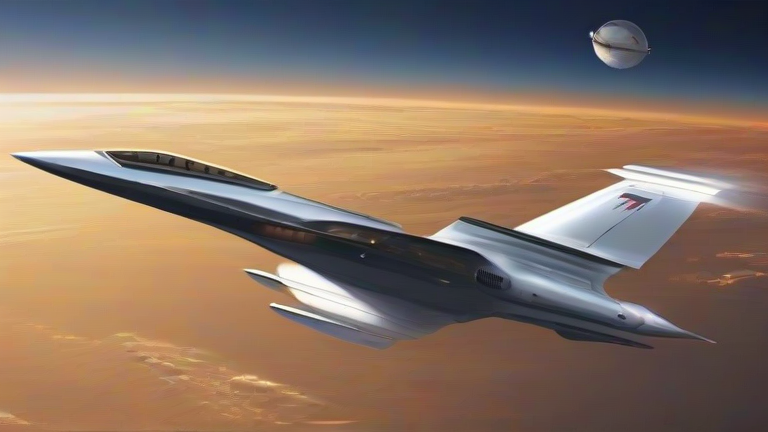
TL;DR: Yes, space tourism is commercially available today through suborbital flights offered by Virgin Galactic and Blue Origin. These brief journeys provide passengers with minutes of weightlessness and a view of Earth’s curvature without entering full orbit.
The Dawn of Commercial Spaceflight
The era of exclusive, government-only space travel has officially ended. Today, civilians with significant financial resources can purchase tickets to experience the final frontier. This shift represents one of the most profound transformations in modern aerospace engineering, moving humanity from the brink of space to its threshold. While orbital tourism remains a multi-billion dollar aspiration for the distant future, suborbital tourism is not just a concept—it is a reality currently being booked and flown.
If you want to dig deeper, check out our guide on 10 Proven Business Growth Strategies for 2024.
How Suborbital Flights Work
Suborbital flights differ significantly from the International Space Station missions of the past. Instead of achieving the high velocity required to orbit the Earth, these vehicles follow a parabolic trajectory. They ascend vertically, cross the Kármán line—the internationally recognized boundary of space at 100 kilometers (62 miles) above sea level—and then descend back to Earth. The entire experience typically lasts about two to three hours, with only a few minutes of true weightlessness. This brevity makes it accessible to a broader range of passengers who may not have years of rigorous astronaut training.
Industry Giants and Specifications
Two primary companies dominate this emerging market: Virgin Galactic and Blue Origin. Virgin Galactic utilizes a air-launch system where a carrier aircraft, WhiteKnightTwo, releases the SpaceShipTwo vehicle at high altitude. This method reduces fuel consumption and allows for more frequent launches. Blue Origin, conversely, employs a vertical launch system with its New Shepard rocket. Both systems are designed with rigorous safety protocols and redundant systems to ensure passenger security. Recent successful commercial flights have demonstrated that these technologies are reliable, paving the way for regular scheduled operations.
Broader Industry Impact
The rise of space tourism is catalyzing innovation across the aerospace sector. Private investment in launch technologies has accelerated, leading to cost reductions in payload delivery. Furthermore, the demand for lightweight, durable materials and advanced life-support systems is driving research that benefits commercial aviation and medical technology. As infrastructure expands, we anticipate a ripple effect that could lower the cost of space access for scientific research and satellite deployment. The psychological impact of seeing Earth from space, often referred to as the “overview effect,” may also inspire a new generation of environmental stewards and scientists.
FAQ
Q: How long does a suborbital flight last?
A: The entire experience, including pre-flight preparation and post-flight debriefing, takes about three hours, with approximately three to four minutes of weightlessness during the ascent and descent.
Q: What is the approximate cost of a ticket?
A: Prices have varied over time but generally range from $250,000 to $450,000 per seat, depending on the provider and any promotional discounts or bundle offers currently available.
Q: Are there age or health restrictions for passengers?
A: Passengers typically must be at least 18 years old and meet specific medical requirements, including good physical health and the ability to withstand G-forces, though detailed medical screenings are required for each applicant.
Leave a Reply