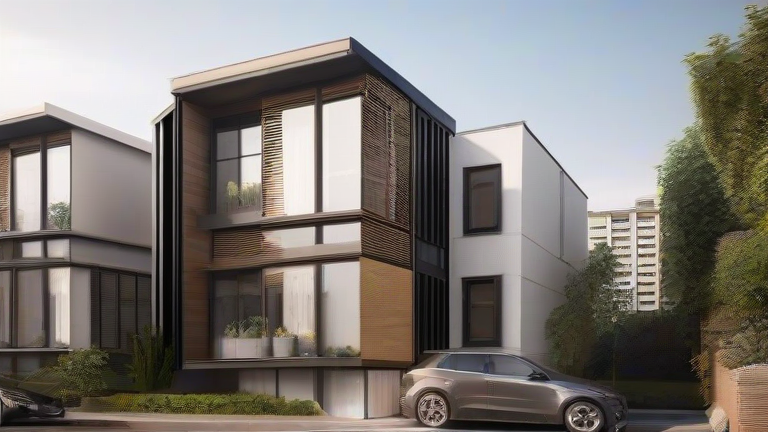
TL;DR: Compact urban housing designs are evolving from mere cost-saving measures into sophisticated lifestyle choices driven by sustainability and technological integration. The market is rapidly shifting toward multifunctional, tech-enabled micro-units that prioritize quality of life over sheer square footage.
The Shift Toward Intentional Minimalism
The global real estate landscape is undergoing a profound transformation, particularly in high-density metropolitan areas where land scarcity drives prices to unprecedented heights. This economic pressure has catalyzed a new architectural paradigm: compact urban housing. No longer viewed simply as temporary shelters for the transient workforce, small-space living is becoming a permanent fixture of urban demographics. Recent market data indicates that the global micro-apartment market is projected to grow at a compound annual growth rate of over 7% through 2030. This surge is not merely a reaction to inflation but reflects a cultural shift among Millennials and Gen Z, who prioritize experiences and sustainability over expansive square footage.

Innovative Design Solutions
Architects and interior designers are responding to this demand with ingenious spatial solutions. The concept of “vertical living” has expanded beyond stacking units; it now involves stacking functions within a single footprint. Murphy beds, transformable dining tables, and hidden storage compartments are standard features in modern developments. According to leading urban planning experts, the key to successful compact living is not just saving space but enhancing the perception of space through light, color, and material choice. Expert insights suggest that homes with floor-to-ceiling windows and reflective surfaces can make a 400-square-foot unit feel significantly larger than it is. Furthermore, the integration of smart home technology allows residents to control lighting, climate, and security via voice commands, adding a layer of luxury that compensates for the lack of physical space.
Sustainability as a Core Driver
Beyond aesthetics and functionality, sustainability is a major driver of this trend. Compact homes inherently have a smaller carbon footprint due to reduced energy consumption for heating and cooling. Builders are increasingly using eco-friendly materials, such as reclaimed wood and low-VOC paints, to appeal to environmentally conscious buyers. The lifecycle cost of maintaining a small unit is also lower, making it an attractive option for long-term residents. As cities implement stricter building codes regarding energy efficiency, compact designs offer a compliant and cost-effective pathway for developers.
Future Predictions
Looking ahead, the industry anticipates a blending of residential and commercial spaces. Co-living concepts will likely expand, offering private micro-units with shared amenities like co-working spaces, gyms, and communal kitchens. This model fosters community interaction while maximizing individual efficiency. Additionally, modular construction techniques will become more prevalent, allowing for faster, cheaper, and more sustainable building processes. These prefabricated units can be customized to fit specific urban niches, further democratizing access to high-quality housing in city centers. The future of urban living is not about having more space, but about using space more intelligently.
FAQ
Q: What is the average size of a modern micro-apartment?
A: Modern micro-apartments typically range from 200 to 600 square feet, designed to maximize every inch of available space.
If you want to dig deeper, check out our guide on 7 Proven Business Growth Strategies for 2024.
Q: Are compact homes less expensive to maintain?
A: Yes, smaller units generally incur lower utility bills, reduced cleaning costs, and lower property taxes compared to larger homes.
Q: Is smart home technology essential for small spaces?
A: While not mandatory, smart technology significantly enhances functionality by allowing remote control of environments, which is crucial for maximizing efficiency in limited areas.
Leave a Reply