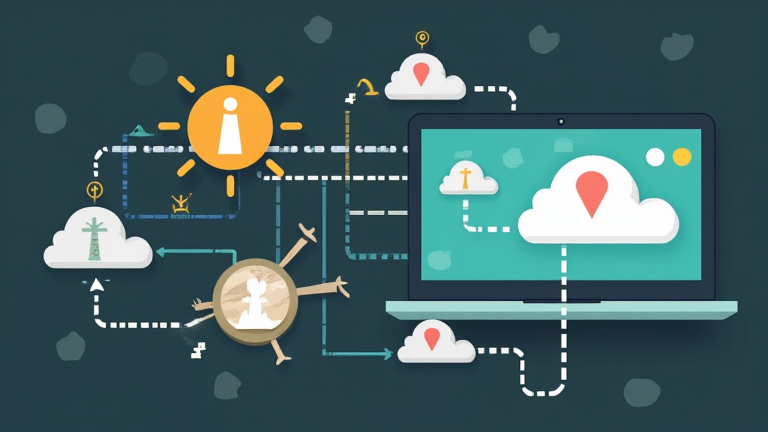
TL;DR: AI agents autonomously execute multi-step business tasks by interpreting natural language instructions and integrating seamlessly with existing enterprise software stacks. This automation significantly reduces human error and frees up employees to focus on high-value strategic initiatives rather than repetitive administrative duties.
The Rise of Autonomous Workflow Automation
If you want to dig deeper, check out our guide on Metaverse Workplaces Need VR Haptic Feedback.

The landscape of enterprise technology is undergoing a seismic shift. We are moving beyond simple chatbots that answer questions to sophisticated AI agents capable of taking action. These digital workers do not just suggest solutions; they execute them. By leveraging large language models (LLMs) equipped with tool-use capabilities, AI agents can navigate complex software ecosystems, retrieve data, update records, and trigger workflows without human intervention. This evolution represents the next frontier in operational efficiency, promising to reshape how businesses allocate their most valuable resource: human talent.
Technical Specifications and Capabilities
Modern AI agents are built on robust architectures that allow for real-time decision-making and context retention. Key specifications include multi-modal input processing, enabling the agent to read emails, analyze spreadsheets, and interpret images simultaneously. They utilize memory banks to maintain context across long conversations and complex task chains. Furthermore, these agents are designed with security protocols that ensure data privacy, often operating within isolated sandbox environments to prevent unauthorized access to sensitive corporate information. The integration capabilities are vast, supporting APIs for popular platforms like Salesforce, Slack, and Microsoft 365, ensuring that the AI acts as a cohesive layer rather than a siloed tool.
Industry Impact and Adoption
The impact on industries is profound. In finance, AI agents are automating reconciliation processes that previously took days, reducing the error rate to near zero. In customer support, they handle tier-one inquiries with unprecedented accuracy, escalating only the most complex issues to human agents. Marketing teams are using these agents to generate personalized content campaigns at scale, analyzing consumer data to tailor messages instantly. This shift is not about replacing humans but augmenting their capabilities. Companies adopting AI agents report a significant reduction in operational costs and a marked increase in employee satisfaction, as staff are relieved from the drudgery of mundane tasks. As these technologies mature, we can expect a broader adoption across sectors, from healthcare to logistics, driving a new era of productivity.
FAQ
Q: Are AI agents secure enough for sensitive corporate data?
A: Yes, modern AI agents are designed with enterprise-grade security features, including end-to-end encryption, role-based access controls, and compliance with industry standards like GDPR and HIPAA to protect sensitive information.
Q: How difficult is it to integrate AI agents with existing software?
A: Integration is increasingly streamlined thanks to pre-built connectors for major platforms like Salesforce, Slack, and Microsoft 365, allowing businesses to deploy agents with minimal coding effort and quick setup times.
Q: Will AI agents replace human employees?
A: No, AI agents are designed to augment human work by handling repetitive tasks, allowing employees to focus on creative, strategic, and interpersonal activities that require human empathy and critical thinking.
Leave a Reply