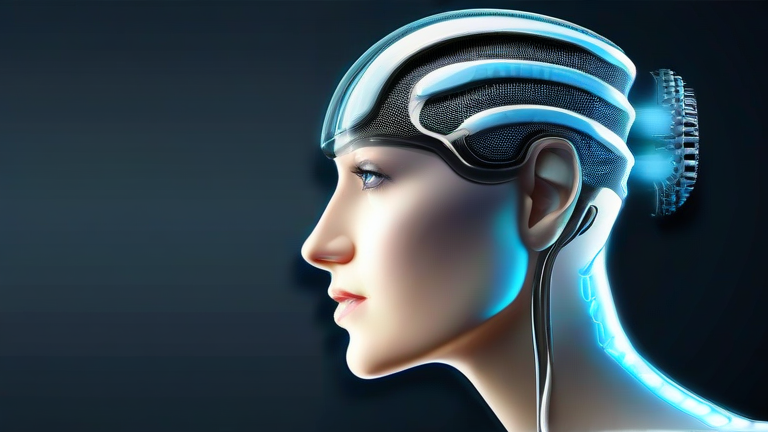
TL;DR: Neurotechnology restores speech by decoding neural signals into text or synthetic voice, bypassing damaged motor pathways in the brain. This breakthrough allows individuals with severe speech impairments to communicate fluidly, reconnecting them with their communities and personal histories.
The Silent Revolution in Communication
For decades, the loss of speech due to conditions like ALS, stroke, or brainstem strokes felt like a permanent exile from human connection. Imagine sitting in a bustling café in Paris, surrounded by the aroma of fresh croissants and the hum of conversation, yet being unable to share a simple thought with the person across from you. This isolation is no longer a life sentence. A new wave of neurotechnology is not just helping people communicate; it is restoring their voice, their agency, and their place in the cultural fabric of society.
The journey begins inside the skull. Implants, such as high-density electrode arrays, are placed directly on the motor cortex, the area responsible for planning movements. When a person attempts to speak, these implants detect the subtle electrical patterns associated with the intended speech. Unlike older systems that required slow, painstaking typing, modern AI-driven decoders interpret these signals in real-time. They translate neural firing patterns into text or even natural-sounding speech synthesized by advanced language models. This is not merely a mechanical fix; it is a restoration of identity.
Consider the cultural impact of this technology. Language is the vessel of culture, history, and personal growth. When speech is lost, much of a person’s heritage and personal narrative can feel inaccessible. By restoring the ability to speak, neurotech allows individuals to participate fully in social rituals, from family gatherings to professional meetings. It transforms the experience of travel, allowing people to ask for directions, order food, and engage in spontaneous interactions with locals. The barrier between the internal self and the external world is dissolved.
The emotional resonance of this technology is profound. For many, the first words regained are not complex philosophical statements but simple expressions of love or gratitude. This reconnection fosters personal growth, allowing individuals to rebuild relationships that may have strained under the weight of silence. It enables them to express creativity, share humor, and continue their professional lives without interruption. The stigma often associated with disability diminishes as the focus shifts from the impairment to the individual’s restored capabilities.
Moreover, this technology is becoming increasingly portable and less invasive. Early trials showed promise with large, cumbersome setups, but recent advancements have led to wireless, minimally invasive devices. This portability means that users are not confined to clinical settings. They can take their restored voice home, to the park, or on vacation. The freedom to move and communicate freely is a fundamental aspect of a fulfilling lifestyle.
As we look to the future, the integration of neurotech into daily life will become seamless. It will not just be a medical intervention but a standard tool for communication accessibility. This shift promises a more inclusive world where physical limitations do not dictate social participation. The restoration of speech is more than a technical achievement; it is a humanizing force that bridges gaps and restores dignity.
FAQ
Q: How long does the surgical procedure for implanting speech neurotech take?
A: The procedure typically takes between two to four hours, depending on the specific implant technology and the patient’s individual anatomical requirements, followed by a recovery period of several weeks.
If you want to dig deeper, check out our guide on Best Ergonomic Office Chairs for Back Pain in 2024.
Q: Can these devices be used by people who have never spoken before?
A: Yes, recent studies indicate that the AI decoders can synthesize speech patterns for individuals who have never spoken, effectively generating a personalized voice based on their neural activity and intended linguistic structure.
Q: Is the restored speech completely natural sounding?
A: While early versions sounded robotic, current models using advanced AI can produce speech that is nearly indistinguishable from natural human speech, including appropriate tone, pitch, and rhythm, significantly enhancing emotional expression.
Leave a Reply