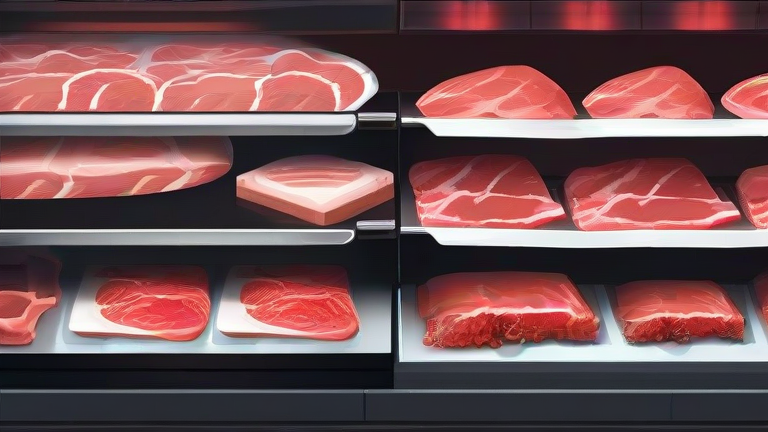
Lab-Grown Meat Hits Mainstream Retail: The Future of Food
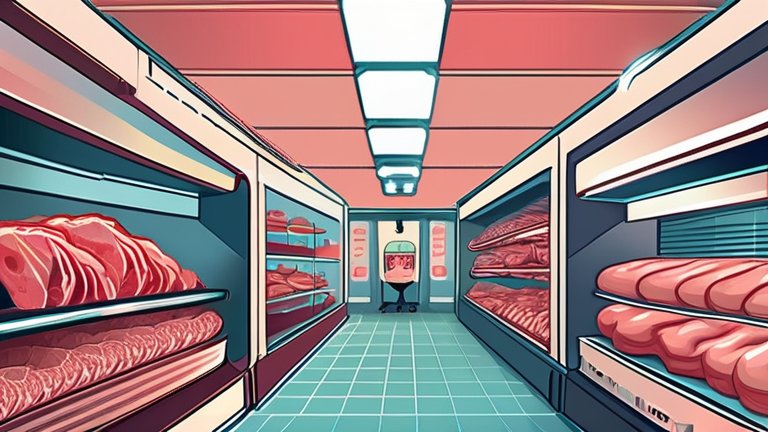
The culinary landscape is undergoing a seismic shift as lab-grown, or cultivated, meat transitions from niche scientific experiments to visible shelves in mainstream grocery stores. This milestone represents not just a technological triumph, but a critical juncture for global food security and sustainable agriculture. For business leaders and investors, understanding the mechanics of this transition is no longer optional; it is imperative for future-proofing supply chains and capitalizing on emerging consumer trends.
Market Analysis: The Economic Landscape
The cultivated meat market is projected to reach significant valuation markers within the next decade, driven by a confluence of regulatory approvals and escalating consumer demand for ethical protein sources. Traditional livestock farming contributes substantially to greenhouse gas emissions, land degradation, and water scarcity. In contrast, cultivated meat offers a streamlined production process that requires a fraction of the resources. Recent market analyses indicate that early adopters are primarily located in North America and Southeast Asia, where regulatory frameworks are most advanced. However, Europe and Latin America are rapidly closing the gap, creating a global ecosystem ripe for expansion. The key driver is not merely environmental concern, but the promise of consistency and safety. By controlling the production environment, companies can eliminate the risk of pathogens like salmonella and E. coli, a significant value proposition for health-conscious consumers.
Strategic Insights: Navigating the Retail Frontier
For established food corporations, the integration of cultivated meat requires a nuanced strategy. The primary challenge is not production, but perception. Consumers often harbor skepticism regarding “in vitro” products, fearing unknown ingredients or excessive processing. Therefore, marketing strategies must focus on transparency and education. Retailers should position these products not as replacements for traditional meat, but as complementary options that cater to specific dietary ethics. Furthermore, pricing strategies remain a critical hurdle. While costs have dropped dramatically due to advancements in cell culture media, they are still higher than conventional meat. Strategic partnerships with high-end restaurants and premium grocery chains can serve as effective launchpads, allowing brands to build prestige and justify premium pricing before scaling to mass-market segments. Supply chain
Leave a Reply