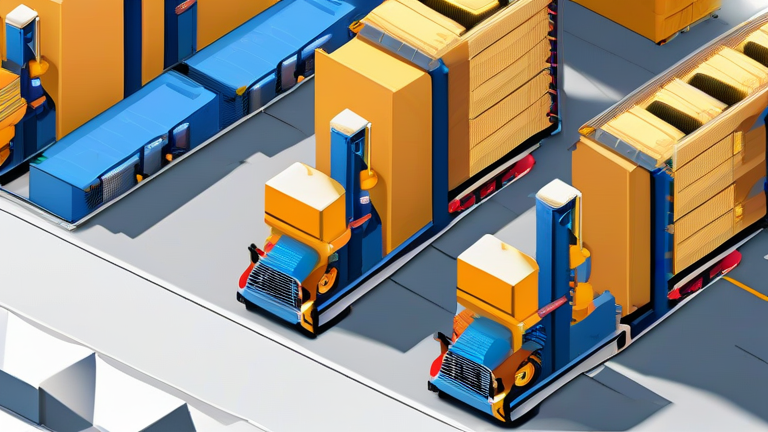
How Digital Twins Simulate Supply Chains for Better Efficiency
The global supply chain landscape is undergoing a radical transformation, driven by the urgent need for resilience and agility in an increasingly volatile economic environment. At the forefront of this revolution is the technology known as Digital Twins. These virtual replicas of physical supply chains are no longer just futuristic concepts; they are essential tools for modern enterprises seeking to optimize operations, reduce costs, and mitigate risk. By creating a dynamic, real-time mirror of the physical world, companies can simulate thousands of scenarios to predict outcomes before they happen, shifting from reactive crisis management to proactive strategic planning.
Recent market data underscores the accelerating adoption of this technology. According to a recent report by Gartner, the market for supply chain digital twins is projected to reach $5 billion by 2026, growing at a compound annual growth rate of over 35%. This explosive growth is fueled by the increasing complexity of global logistics networks, which now span multiple continents and involve countless stakeholders. Traditional supply chain management tools, which often rely on static data and historical averages, are proving insufficient in handling the real-time disruptions caused by geopolitical tensions, climate change, and sudden shifts in consumer demand. Digital twins offer a solution by integrating IoT sensors, AI algorithms, and big data analytics to provide a living, breathing model of the supply chain.
Industry experts emphasize that the true power of digital twins lies in their ability to simulate “what-if” scenarios. Dr. Elena Ross, a senior analyst at Supply Chain Dynamics, notes, “The ability to simulate a port strike or a supplier bankruptcy in a virtual environment allows logistics managers to test recovery strategies without risking actual capital. It is essentially a flight simulator for logistics leaders.” This capability enables organizations to identify bottlenecks, optimize inventory levels, and improve transportation routes with unprecedented precision. For instance, major automotive manufacturers have used digital twins to predict parts shortages weeks in advance, allowing them to reroute shipments or adjust production schedules seamlessly.
Looking toward the future, the integration of artificial intelligence with digital twins promises even greater efficiency gains. As machine learning models become more sophisticated, they will be able to
Leave a Reply