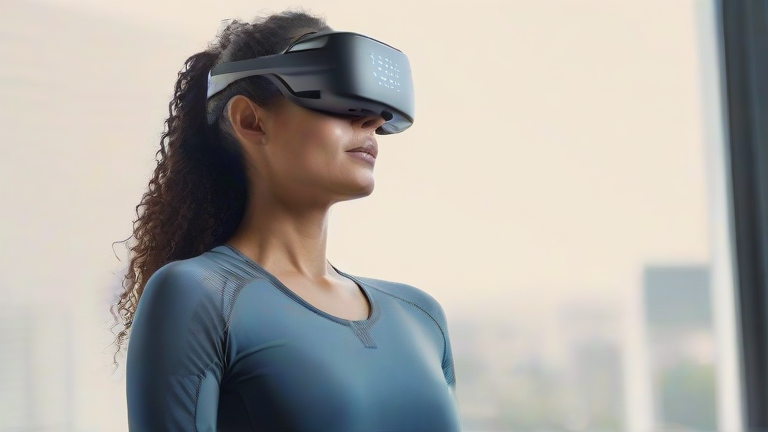
Neurotech Wearables: Monitor Cognitive Load & Boost Focus
In an era defined by digital distraction and constant connectivity, the ability to maintain deep focus has become a premium skill. Enter neurotech wearables, a burgeoning category of devices that bridge the gap between neuroscience and consumer electronics. These innovative gadgets are no longer just novelty items; they are powerful tools designed to help users understand their mental state, manage stress, and enhance productivity. By providing real-time biofeedback, these wearables empower individuals to take control of their cognitive performance in a way that was previously impossible.
Feature Highlights: Beyond Simple Tracking
At the core of these devices is Electroencephalogram (EEG) technology, often integrated seamlessly into headbands, headphones, or even earbuds. Unlike traditional fitness trackers that monitor heart rate or steps, neurotech wearables measure brainwave activity. The primary feature is cognitive load monitoring, which assesses how much mental effort you are exerting at any given moment. When your cognitive load is too high, the device alerts you to take a break, preventing burnout. Conversely, it identifies states of deep focus, allowing you to replicate those conditions for optimal work output.
If you want to dig deeper, check out our guide on Rise of Personalized Genomic Health Plans.
Another standout feature is active neurofeedback. Many devices offer guided meditation or focus-enhancing soundscapes that adjust in real-time based on your brain’s current state. If the sensor detects distraction, the audio might subtly shift to encourage relaxation or concentration. This closed-loop system creates a personalized training environment, helping users build resilience against distraction over time. The integration with smartphone apps provides detailed analytics, turning abstract mental states into tangible data points that can be tracked over weeks and months.
Comparison: Neurotech vs. Traditional Productivity Tools
When comparing neurotech wearables to traditional productivity methods like the Pomodoro Technique or standard calendar blocking, the difference lies in personalization. Traditional tools rely on arbitrary time blocks, whereas neurotech adapts to your biological rhythms. For instance, a user might find they lose focus after forty-five minutes, while the device suggests a fifteen-minute rest based on actual neural fatigue. Compared to meditation apps that rely on user compliance, neurotech wearables add an objective layer of accountability. You cannot fake the data; the device knows when your mind has wandered, providing immediate corrective feedback that purely software-based solutions
Leave a Reply