Boost Remote Work: How Async Tools Drive Collaboration
The modern workplace has undergone a seismic shift, moving from the bustling open-plan office to the quiet solitude of home desks. While this transition offers unparalleled flexibility, it often comes at the cost of spontaneous interaction and team cohesion. However, a powerful solution exists in the form of asynchronous communication tools. These platforms are not merely digital message boards; they are cognitive aids that fundamentally reshape how we collaborate, reducing burnout and enhancing deep work. By understanding the science behind asynchronous workflows, remote professionals can reclaim their mental energy and foster a more sustainable, productive lifestyle.
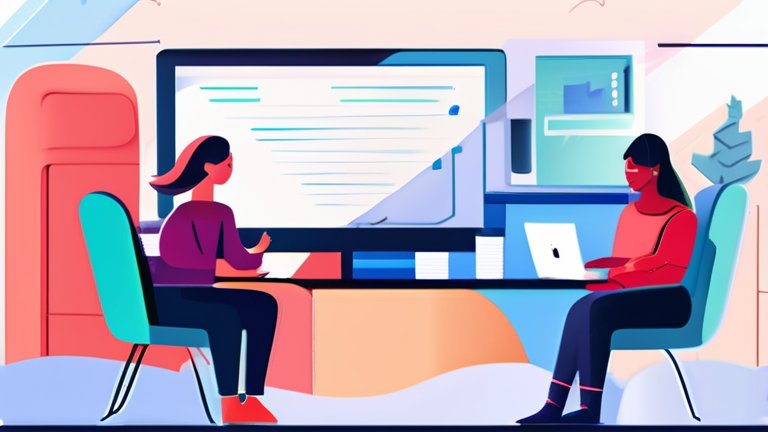
Research in cognitive psychology suggests that constant interruptions, such as those caused by synchronous meetings or instant messages, lead to “attention residue.” This phenomenon, coined by psychologist Sophie Leroy, describes the mental lag that occurs when switching tasks, significantly lowering IQ and productivity. Asynchronous tools, such as Slack threads, Notion pages, or Loom videos, allow colleagues to communicate without demanding immediate attention. This shift enables “deep work,” a state of distraction-free concentration that pushes your cognitive capabilities to their limit. According to Cal Newport, author of *Deep Work*, cultivating this ability is becoming increasingly rare and valuable in our economy.
If you want to dig deeper, check out our guide on Top 10 Tech Trends Shaping the Future in 2024.
To harness these benefits, start by establishing clear “core hours” where synchronous communication is acceptable, while encouraging detailed documentation for all other interactions. When writing updates or asking questions, provide context rather than just queries. This respects the recipient’s time and allows them to respond when their brain is most ready for complex problem-solving. Furthermore, leverage video messages for nuanced discussions. A short Loom video can convey tone and emotion that text often misses, reducing miscommunication and the emotional labor associated with deciphering terse emails.
From a wellness perspective, this approach directly combats the anxiety of being “always on.” By decoupling communication from real-time expectations, you create boundaries between work and personal life. This separation is crucial for mental health, allowing your nervous system to recover during off-hours. Additionally, async tools create a searchable knowledge base,
Leave a Reply