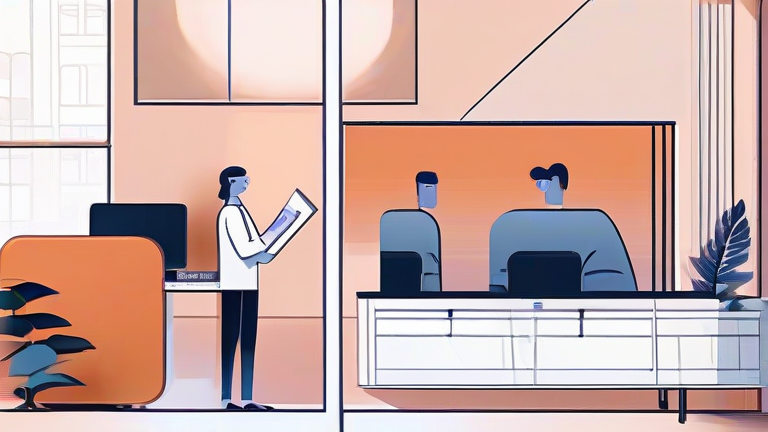
Remote Work Hubs Are Redefining Urban Living
The traditional nine-to-five office grind is fading, replaced by a flexible, decentralized model that is fundamentally reshaping our cities. Remote work hubs—shared spaces designed for digital nomads and hybrid workers—are no longer just trendy co-working spots; they are becoming the new civic centers of urban life. This shift is not merely aesthetic; it has profound implications for our physical health, mental well-being, and social connectivity. As we redefine where and how we work, we must also redefine how we care for ourselves in these evolving environments.

One of the most significant benefits of the remote work hub is the restoration of balance between professional productivity and personal health. In the past, long commutes contributed to chronic stress and sedentary behavior. Today, these hubs are often located in neighborhoods with access to parks, gyms, and healthy eateries, encouraging employees to step away from their desks more frequently. Science backs this up: studies published in the *Journal of Occupational Health Psychology* indicate that regular physical activity breaks significantly reduce cortisol levels, the body’s primary stress hormone. By integrating work spaces with leisure amenities, urban planning is inadvertently promoting a healthier lifestyle.
If you want to dig deeper, check out our guide on How Mental Health Apps Integrate With Wearable Sensors.
However, the convenience of remote work hubs comes with a hidden risk: social isolation. While we gain flexibility, we often lose the spontaneous interactions that occur in traditional office settings. Loneliness is now recognized as a public health crisis, linked to increased risks of heart disease, depression, and cognitive decline. To combat this, remote work hubs are intentionally designing “collision spaces”—areas for casual conversation, coffee breaks, and community events. Engaging in face-to-face interactions, even briefly, boosts oxytocin levels and fosters a sense of belonging. It is crucial for workers to actively participate in these communal areas rather than hiding in private booths. Social connection is not a perk; it is a physiological necessity.
Another critical factor is ergonomics. Working from a kitchen table or a cramped corner of a bedroom can lead to repetitive strain injuries, back pain, and eye strain. Remote work hubs provide ergonomic chairs, adjustable standing desks, and proper lighting, which
Leave a Reply