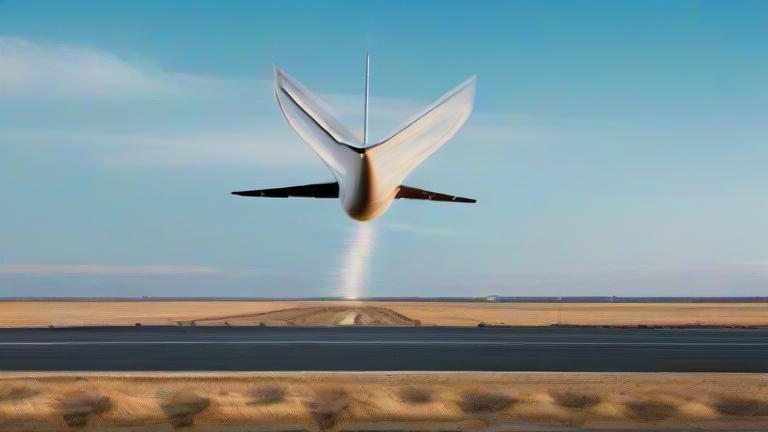
Scaling Sustainable Aviation Fuels Globally: Trends & Impact

The aviation industry stands at a critical juncture. As global travel rebounds and carbon emissions come under intense scrutiny, the pressure to decarbonize has never been higher. Sustainable Aviation Fuels (SAFs) have emerged not just as a promising alternative, but as an urgent necessity. This review examines the current landscape of SAF production, analyzing key trends, technological breakthroughs, and the tangible impact they are having on the global climate agenda.
For decades, aviation has relied heavily on conventional jet fuel, a carbon-intensive energy source that contributes significantly to global warming. While electric and hydrogen-powered aircraft are promising future solutions, they are not yet viable for long-haul flights. SAFs bridge this gap. They can be used in existing aircraft engines without modification, making them the most immediate and scalable solution for reducing the aviation sector’s carbon footprint.
One of the most significant trends in the SAF market is the diversification of feedstocks. Early SAFs relied heavily on used cooking oil and animal fats, but these sources are limited in supply and raise ethical concerns regarding land use. Today, innovative production methods are utilizing a wider array of inputs. Advanced biofuels derived from agricultural residues, forestry waste, and even municipal solid waste are gaining traction. Furthermore, Power-to-Liquid (PtL) fuels, also known as e-fuels, are emerging as a game-changer. These fuels are produced using green hydrogen and captured carbon dioxide, creating a truly carbon-neutral cycle when powered by renewable energy.
Comparing traditional jet fuel to SAFs reveals a stark difference in lifecycle emissions. Conventional jet fuel emits approximately 80-90 grams of CO2 per passenger kilometer. In contrast, certified SAFs can reduce lifecycle emissions by up to 80%. When blended with conventional fuel, SAFs offer an immediate drop in emissions. As production scales and costs decrease, pure SAF operations will become more common. However, cost remains a significant barrier. Currently, SAFs are two to four times more expensive than conventional kerosene. Government subsidies, carbon pricing mechanisms, and mandatory blending mandates are essential to bridge this price gap and drive demand.
The impact of scaling SAFs extends beyond environmental
Leave a Reply