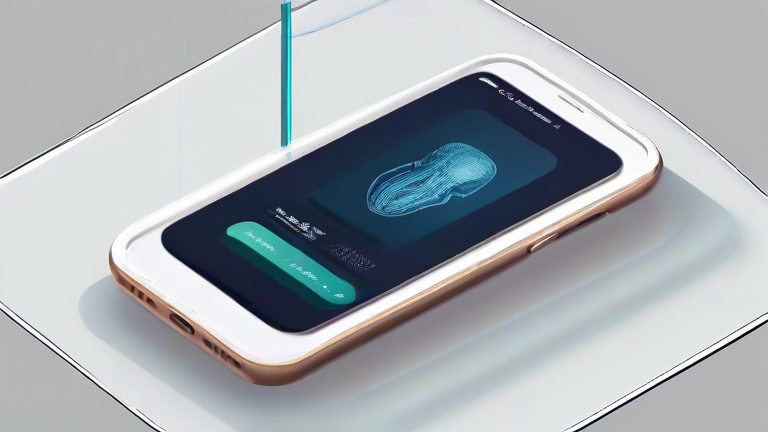
Real-Time Biometrics: How Mental Health Apps Are Evolving

The landscape of digital mental health is undergoing a profound transformation. We are moving away from passive mood journals and static questionnaires toward dynamic, real-time biometric monitoring. This shift represents a convergence of wearable technology and psychological science, offering users unprecedented insights into the physiological correlates of their emotional states. By leveraging heart rate variability (HRV), galvanic skin response, and sleep patterns, modern applications are providing immediate, actionable feedback that can help regulate the nervous system before anxiety or stress spirals out of control.
Research published in journals such as *Nature Digital Medicine* suggests that continuous biometric monitoring can significantly enhance emotional regulation. The core premise is simple: stress is not just a mental state but a physical one. When cortisol spikes, your heart rate increases and your skin conductance changes. Apps that detect these subtle physiological shifts can intervene at the right moment, guiding users through breathing exercises or grounding techniques. This proactive approach is far more effective than reactive therapy sessions, which often occur after the crisis has already unfolded.
To maximize the benefits of these tools, it is crucial to integrate them into a holistic wellness routine. First, ensure your wearable device is calibrated correctly. Fit matters; a loose band can lead to inaccurate data, causing unnecessary alarm. Second, use the data to identify patterns rather than obsessing over single metrics. Look for correlations between poor sleep quality and increased irritability the following day. This awareness allows you to prioritize rest without guilt, viewing sleep as a critical pillar of mental resilience rather than a passive activity.
Furthermore, consider the “digital hygiene” surrounding these apps. Constant notifications can become a source of stress themselves. Set specific times to review your biometric trends, such as once a week, rather than checking your stress score every five minutes. This detachment helps maintain a healthy relationship with technology, ensuring it serves as a supportive tool rather than a source of anxiety.
Finally, remember that
Leave a Reply