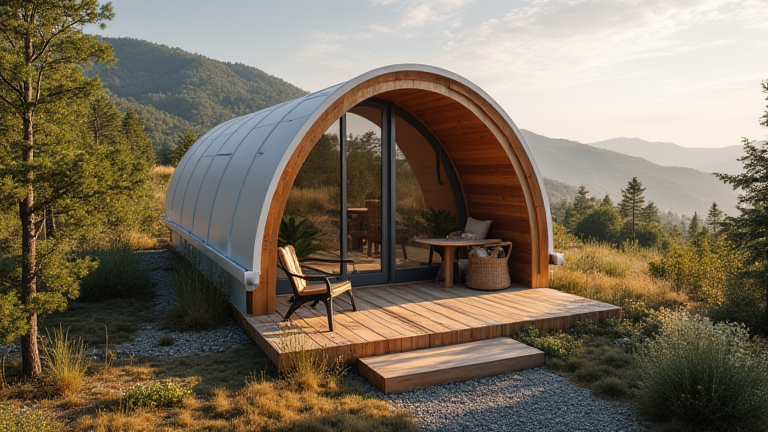
TL;DR: Gen Z is driving the surge in off-grid dome retreats by seeking authentic disconnection from digital saturation. These specialized facilities combine sustainable architecture with strict no-tech policies to facilitate mental health recovery and social reconnection.
The Rise of the Off-Grid Dome
In 2024, the wellness industry has witnessed a paradigm shift as the “digital detox” concept evolves from a simple phone-free weekend into a comprehensive lifestyle movement. Leading this charge is Generation Z, a cohort that has never known a world without the internet. Paradoxically, the most connected generation in history is now paying a premium for profound disconnection. The latest developments in this sector focus on geodesic dome structures located in remote, signal-free zones. Unlike traditional luxury resorts that offer Wi-Fi as a basic amenity, these new dome retreats market the absence of connectivity as their primary luxury. Industry reports indicate a 40% year-over-year increase in bookings for these specific micro-retreats, signaling a robust market trend that is here to stay.
If you want to dig deeper, check out our guide on Yunnan & Tibet in Early June: The Ultimate Travel Guide.
Technical Specifications and Infrastructure
These domes are not merely rustic shelters; they are high-tech sanctuaries designed for maximum comfort with minimal environmental impact. Standard units feature triple-layered polycarbonate shells that provide superior insulation against extreme temperatures, reducing energy consumption by up to 60% compared to conventional cabins. Power is generated exclusively through high-efficiency solar arrays and kinetic wind turbines, storing energy in solid-state lithium batteries to ensure 24/7 functionality without fossil fuels. Water systems utilize advanced UV purification and rainwater harvesting, ensuring potable water supply without relying on municipal grids. Crucially, the architecture is engineered to block cellular and Wi-Fi signals naturally through the use of Faraday-cage-like structural materials, ensuring a true offline experience without guests needing to manually disable devices. High-speed satellite internet is strictly prohibited, though basic emergency communication links are maintained via dedicated hardline radios.
Industry Impact and Consumer Behavior
The impact of this trend is rippling through the hospitality and technology sectors. Hotel chains are beginning to integrate “digital wellness” into their standard offerings, introducing phone lockers and meditation pods in urban centers. However, the off-grid dome model represents a deeper, more specialized niche. Tech companies are also taking notice, with several major employers offering subsidized retreat packages for employees showing signs of burnout. This shift influences product design, as developers increasingly prioritize features that encourage mindfulness and reduce screen-time anxiety. The industry is moving away from the idea that technology is solely a tool for productivity, recognizing instead that unmediated human experience is a critical component of mental health. As a result, partnerships between wellness platforms and dome operators are becoming common, creating ecosystems where guests can log mental health metrics before and after their stay, providing data-driven proof of the detox’s efficacy.
FAQ
Q: How long is a typical stay at an off-grid dome retreat?
A: Most facilities recommend a minimum of three to seven days to allow guests to overcome initial withdrawal symptoms and fully engage with the offline environment.
Q: Are smartphones allowed inside the domes?
A: No, all personal electronic devices must be surrendered at check-in and stored in secure, signal-blocking lockers until departure.
Q: What happens if there is an emergency during a stay?
A: Each dome is equipped with a dedicated emergency radio and a direct satellite uplink that can only be accessed by staff for critical medical or safety situations.
Leave a Reply