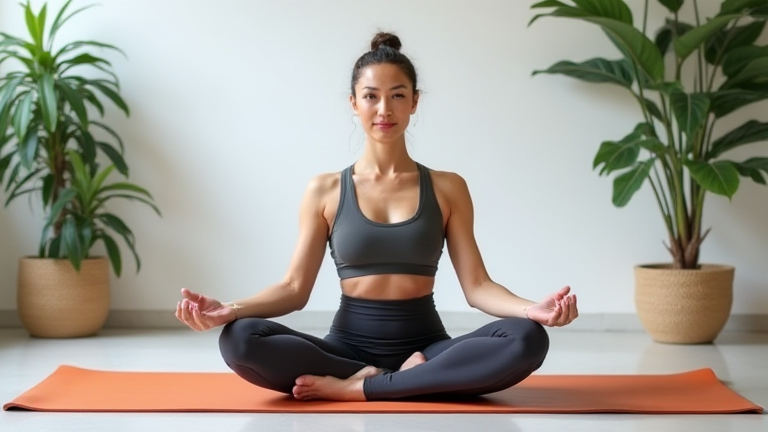
The Best Yoga Mats for Daily Practice
TL;DR: The best yoga mat for daily practice balances durability, grip, and comfort, making high-density natural rubber or premium TPE materials ideal. Ultimately, the right choice depends on your specific style, prioritizing stability for balance poses or cushioning for restorative sessions.
Choosing the right yoga mat is not just about aesthetics; it is about supporting your body through the rigors of daily movement. When you commit to a regular practice, your mat becomes an essential partner in your journey toward better health and mindfulness. A subpar mat can lead to slips, discomfort, and even injury, disrupting the flow of your session. Therefore, investing in a high-quality mat is a small step that yields significant long-term benefits for your physical well-being and mental clarity.
If you want to dig deeper, check out our guide on 4-Day Workweek: What Productivity Data Says About Wellness.
For those who practice hot yoga or engage in vigorous vinyasa flows, natural rubber mats offer superior grip. These mats are made from sustainably harvested rubber trees, providing a non-slip surface even when drenched in sweat. However, they tend to be heavier and have a distinct smell that requires ventilation. If you prefer a lighter, more affordable option, thermoplastic elastomers (TPE) are an excellent choice. They are eco-friendly, lightweight, and provide decent cushioning without the heft of rubber. For those seeking extra support, particularly if you have joint issues, thicker mats made from memory foam or closed-cell PVC offer superior protection. These materials absorb impact, reducing strain on knees and wrists during prolonged poses.
Beyond material, consider the size and texture of your mat. A standard mat is six inches wide, but if you have long legs, an extra-long mat ensures your feet remain on the surface. Texture patterns, such as lotus flowers or geometric designs, can aid in alignment and focus, adding a subtle element of mindfulness to your routine. Cleaning your mat regularly is also crucial for hygiene and longevity. Use a mild, non-toxic cleaner and air dry it to prevent bacterial growth and material degradation.
Ultimately, the best mat is one that feels right for your body and fits your lifestyle. Whether you are a beginner seeking guidance or an advanced practitioner refining your technique, the right mat enhances your connection to the practice. It grounds you, literally and figuratively, allowing you to focus on breath and movement rather than discomfort. By choosing a mat that aligns with your needs, you create a sacred space for daily renewal, supporting your personal growth and overall well-being. Embrace the process of selection as part of your practice, honoring the tools that help you stay present and resilient.
FAQ
Q: How often should I replace my yoga mat?
A: Most high-quality mats last two to three years with regular use, but replace them immediately if they become slippery or show signs of cracking.
Q: Is a thicker mat always better for daily practice?
A: Not necessarily; thicker mats are great for comfort but can be unstable for balance poses, so choose based on your specific style.
Q: What is the most eco-friendly material for a yoga mat?
A: Natural rubber and organic cotton are top choices, as they are biodegradable and sourced from renewable resources without harmful chemicals.
Leave a Reply