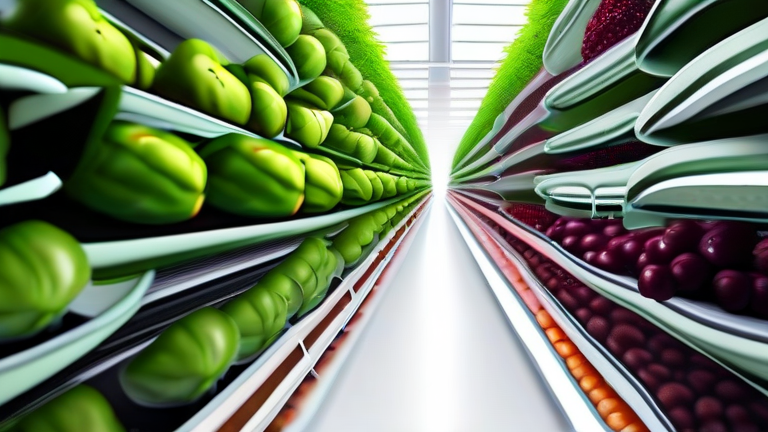
Vertical Farming Hits Price Parity With Traditional Produce
TL;DR: Vertical farming has finally reached price parity with traditional agriculture for leafy greens and specific high-value crops. This milestone is driven by significant reductions in energy costs and automation efficiency, making indoor growing economically viable at scale.
The Breakthrough in Efficiency
The agricultural sector has witnessed a paradigm shift as vertical farming operators report consistent price parity with traditional field-grown produce. Recent data from major urban farms indicates that the cost per kilogram for lettuce and basil now matches conventional supply chains. This achievement stems not from a single innovation but a synergistic improvement in energy management, hardware durability, and crop genetics. The era of vertical farming as a premium, niche product is ending, replaced by a competitive, mainstream agricultural model.
If you want to dig deeper, check out our guide on 10 Proven Habits for a Healthier, Longer Life.
Key Technical Specifications
Modern vertical farms now utilize next-generation LED lighting arrays with photobiological efficiencies exceeding 3.5 micromoles per joule. These lights are paired with advanced climate control systems that use machine learning algorithms to optimize temperature, humidity, and CO2 levels in real-time. Furthermore, new rack systems are designed for modularity, allowing for rapid expansion and easy maintenance. The integration of AI-driven nutrient delivery systems ensures that water usage is reduced by up to 95% compared to traditional irrigation, while also preventing nutrient runoff. These technical upgrades have drastically lowered the operational expenditure that previously kept indoor produce prices high.
Industry Impact and Future Outlook
The economic viability of vertical farming is reshaping the supply chain for perishable goods. Grocers are increasingly sourcing from local vertical farms to reduce spoilage and transportation costs. This local production model significantly cuts the carbon footprint associated with long-distance shipping of delicate produce. Major grocery chains have announced long-term contracts with vertical farming providers, signaling a move away from seasonal dependency. Investors are pouring capital into scaling these facilities, with construction permits for new indoor farms doubling year-over-year. The technology is no longer just a sustainability showcase; it is a robust economic engine capable of stabilizing prices and ensuring year-round availability of fresh produce regardless of weather conditions. As costs continue to drop, the focus is expanding from leafy greens to strawberries and even certain herbs, further broadening the market potential. The convergence of technology and agriculture is creating a resilient food system that is less vulnerable to climate volatility and geopolitical disruptions. This marks a pivotal moment where indoor agriculture transitions from an experimental concept to a standard pillar of global food security.
FAQ
Q: Why is vertical farming cheaper now?
A: Reduced energy costs through efficient LEDs and AI-optimized climate control have lowered operational expenses significantly.
Q: Which crops have hit price parity?
A: Leafy greens such as lettuce, spinach, and basil are currently at parity, with strawberries approaching cost competitiveness.
Q: Will this affect traditional farmers?
A: Traditional farmers remain essential for staple crops like wheat and corn, but they may lose market share in high-value, perishable leafy products.
Leave a Reply