CRISPR Cures Inherited Blood Disorders
In a monumental shift for modern medicine, the application of CRISPR-Cas9 gene-editing technology has officially transitioned from experimental laboratory concepts to life-saving clinical realities. For decades, patients with inherited blood disorders such as Sickle Cell Disease (SCD) and Transfusion-Dependent Beta-Thalassemia (TDT) faced a grim prognosis, reliant on painful daily management and risky bone marrow transplants. Now, groundbreaking developments confirm that precise genetic corrections can offer a functional cure, effectively rewriting the destiny of millions of individuals worldwide.
The Science Behind the Cure
The latest breakthroughs focus on ex vivo editing, a process where a patient’s own hematopoietic stem cells are harvested, edited in a controlled laboratory environment, and then reinfused. The CRISPR system acts as molecular scissors, targeting the BCL11A enhancer region. By disrupting this specific gene regulatory element, doctors can reactivate fetal hemoglobin production. This fetal hemoglobin compensates for the defective adult hemoglobin, preventing the sickling of red blood cells and restoring normal oxygen transport. Unlike traditional gene therapy which adds new genetic material, CRISPR edits the existing genome with unprecedented precision, reducing the risk of off-target effects that have historically plagued earlier genetic interventions.
If you want to dig deeper, check out our guide on Top 10 Tech Trends Shaping the Future in 2024.
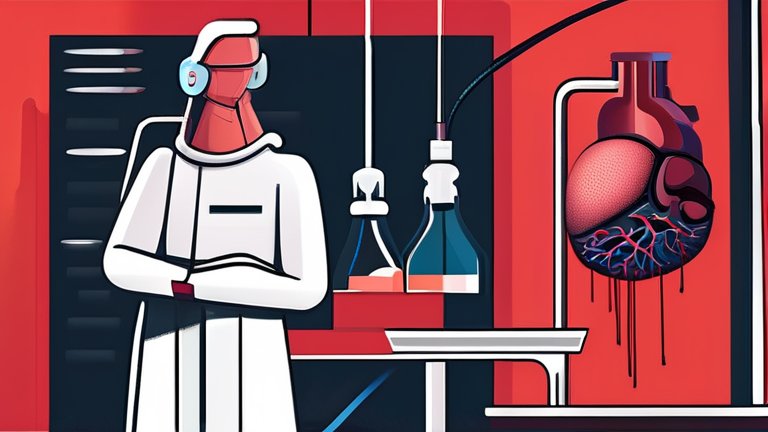
Recent clinical trials have yielded astonishing results. Phase 3 data indicates that over 90% of participants with SCD and TDT have remained free from severe pain crises or the need for blood transfusions for more than two years post-treatment. The durability of these results suggests that a single treatment may provide lifelong relief, marking a paradigm shift from chronic management to permanent resolution. The technology’s specificity is further enhanced by next-generation base editing tools, which allow for single-nucleotide changes without creating double-strand DNA breaks, thereby minimizing potential genomic instability.
Industry Impact and Future Outlook
The commercialization of CRISPR-based therapies is sending shockwaves through the pharmaceutical and biotech sectors. Regulators in the United States and the European Union have expedited approval processes, acknowledging the unprecedented
Leave a Reply