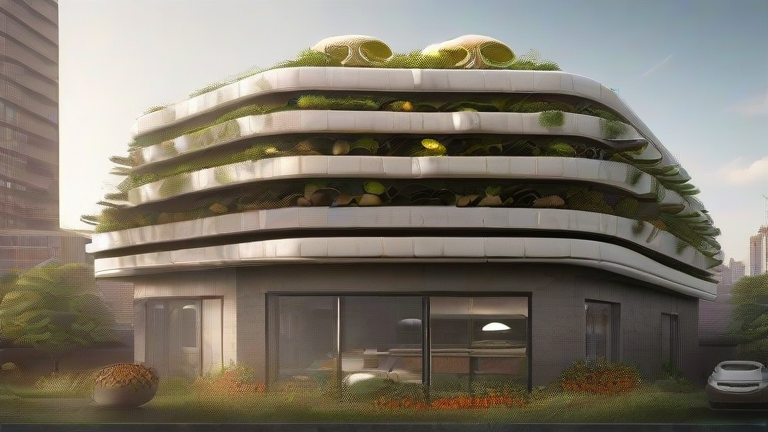
TL;DR: Urban mushroom farming on repurposed lots is scaling from hobbyist kits to commercial micro-farms by using vertical stacking and upcycled shipping containers, turning dead concrete into protein-dense produce. The key is low-tech, high-yield substrates like coffee waste and cardboard, making it profitable within a single city block.
The Concrete Oyster
On a vacant lot in Brooklyn, where weeds once cracked the asphalt, a new crop now pushes through the gloom. Oyster mushrooms, not tomatoes, are the unlikely heroes of this urban renaissance. For the traveler and foodie, this isn’t just agriculture—it’s a culinary pilgrimage. The movement takes abandoned gas stations, old parking garages, and forgotten rail spurs, then fills them with misting systems and stacked grow bags. What was once a blight becomes a hyper-local food source, cutting food miles to zero.
If you want to dig deeper, check out our guide on 10 Simple Lifestyle Hacks to Boost Happiness and Health.
Culture on a Substrate
Scaling up isn’t about buying more land; it’s about rethinking vertical space. Farmers use five-tier shelving units, each bag yielding in three weeks. The culture angle is personal: these micro-farms often hire formerly incarcerated workers or teens from the neighborhood, turning a food project into a social reset. For the curious traveler, a visit feels less like a farm tour and more like a meditation on waste—spent coffee grounds from local cafés become the mycelium’s feast. You leave with a jar of spawn, a new skill, and a gut-level understanding that growth is less about size and more about location.
Personal Growth in the Dark
Inside the humid, dark room, patience is the crop. Unlike a vegetable garden, mushrooms demand daily attention but give no visible progress for weeks—a masterclass in delayed gratification. Urban farmers often say the mycelium teaches you to trust invisible networks. For the city dweller, this is a radical shift from instant delivery apps to slow, fungal timing. The harvest, when it comes, is explosive: a shelf of golden frills that sell out to local chefs within hours. You scale up not by expanding square footage, but by deepening your relationship with decay and renewal.
FAQ
Q: What is the minimum lot size needed to start a commercial urban mushroom farm?
A: Surprisingly small—a 500-square-foot lot (or even a single shipping container) can produce 50–100 pounds weekly using vertical racks, enough for a few restaurants or a farmers’ market stall.
Q: Do mushrooms need sunlight, and how do they survive on a repurposed lot?
A: No direct sunlight—they thrive in darkness. Repurposed lots often have existing structures (garages, basements) that are perfect; if open-air, farmers use shade cloth and misting systems to mimic a forest floor’s cool, damp conditions.
Q: Is the startup cost prohibitive for an individual, not a corporation?
A: No. A DIY setup with used shelves, plastic bags, and a humidifier costs under $3,000; the main recurring cost is substrate (coffee waste is often free from local cafés), making break-even possible within four months.
Leave a Reply