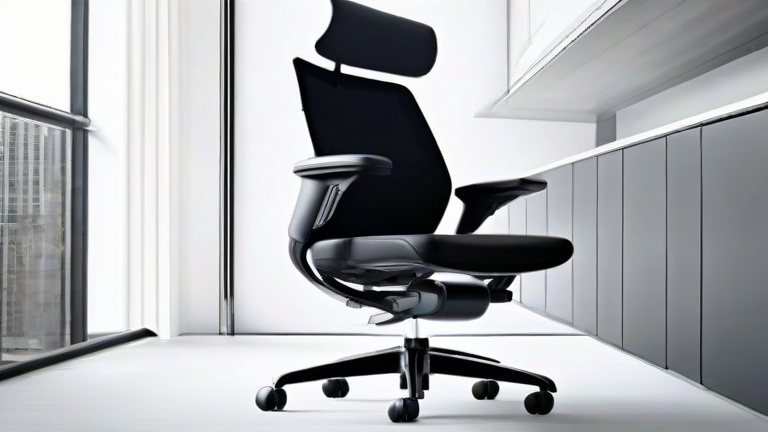
TL;DR: The best ergonomic office chairs for lower back pain combine adjustable lumbar support, seat depth control, and a breathable mesh back to maintain the spine’s natural S-curve. Top picks like the Herman Miller Aeron and Steelcase Gesture outperform cheaper options due to their dynamic tilt mechanisms and pressure-distributing foam, but budget-friendly alternatives like the Ticova Ergonomic offer 80% of the relief at a fraction of the cost.
Feature Highlights: What Actually Relieves Pain
Lower back pain stems from prolonged static posture. The most effective chairs share four non-negotiable features. First, independent lumbar support—a curved pad that moves vertically and in depth, not just a fixed bump. Second, seat depth adjustment—the seat pan must slide forward/backward so your knees stay at a 90-degree angle, with 2–3 inches of clearance behind your calves. Third, synchronized tilt—the backrest and seat move together at a 1:2 ratio, allowing your pelvis to rock naturally without slouching. Fourth, breathable material—mesh backs prevent sweat and reduce pressure points, while high-density foam (not memory foam, which sags) supports the thighs.
If you want to dig deeper, check out our guide on 5 Proven Shopify Marketing Tactics to Boost Online Sales.
Comparison: Premium vs. Budget vs. Mid-Range
The Herman Miller Aeron (≈$1,400) remains the gold standard. Its PostureFit SL system uses two adjustable pads to cradle your sacrum, and its Pellicle mesh distributes weight like a hammock. However, the fixed seat depth (though adjustable) can feel rigid for shorter users. The Steelcase Gesture (≈$1,100) excels in armrest adjustability—you can move them in 3D space, which reduces shoulder tension that often radiates to the lower back. But its dense foam seat can feel firm for the first week.
For budget buyers, the Ticova Ergonomic (≈$170) offers a rare combination: a 4D lumbar pad, adjustable seat slider, and a recline lock that holds at 90–135 degrees. Its breathable mesh is less taut than the Aeron’s, so heavier users (over 200 lbs) may feel the frame edges. The Sihoo M18 (≈$130) adds a headrest but lacks seat depth adjustment—a dealbreaker for tall people. The Branch Verve (≈$350) bridges the gap: its lumbar support inflates via a hand pump, allowing micro-adjustments, and its tilt tension is tuned for 150–250 lb users.
Call-to-Action: Test Before You Invest
Don’t rely on specs alone. Sit in each chair for 20 minutes with a cushion under your lower back. If your pain shifts to your hips, the seat depth is wrong. If your shoulders round, the lumbar support is too low. Start with a return-friendly model like the Ticova, and upgrade only if you feel pressure points after two weeks. Your spine—and your 9-to-5 productivity—will thank you.
FAQ
Q: Can a chair alone cure my lower back pain?
A: No—a chair reduces strain, but you must also stand every 45 minutes and stretch your hip flexors. The best chair only makes it easier to maintain neutral posture, not fix underlying muscle weakness.
Q: Is mesh or foam better for lumbar support?
A: Mesh is better for airflow and dynamic support, but it requires a firm frame to work. Foam (especially high-resilience polyurethane) offers more even pressure but retains heat. For chronic pain, mesh is preferred because it conforms to your movement without creating hot spots.
Q: How much should I spend to get real relief?
A: $150–$400 is the sweet spot
Leave a Reply