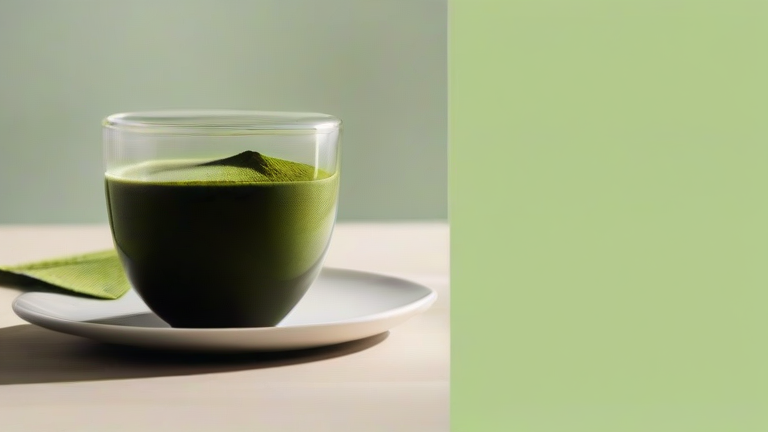
TL;DR: I swapped my jittery coffee ritual for a frothy bowl of matcha because it gave me steady, calm energy without the 3 PM crash, while also forcing me to slow down and savor a mindful morning ritual. The switch wasn’t just about caffeine—it became a daily anchor for focus and cultural curiosity.
The Accident That Started It All
It began in a tiny teahouse in Kyoto, where a shopkeeper gently corrected my clumsy whisking technique. I had ordered matcha out of politeness, expecting a bitter green sludge. Instead, the first sip was a revelation: creamy, umami, and vegetal, with a warmth that spread through my chest like a slow sunrise. Back home, my French press suddenly felt harsh—a frantic jolt of adrenaline followed by a sour stomach. Matcha, I learned, contains L-theanine, an amino acid that smooths out caffeine’s spikes, producing what tea masters call “alert calm.” That first week, I noticed I wasn’t checking my phone obsessively; I was just… working, then pausing to breathe.
If you want to dig deeper, check out our guide on 10 Proven Health Habits to Boost Your Energy and Longevity.
Ritual Over Rush
My old routine was a blur: stumble to kettle, press button, pour, scroll. Matcha forced me to change. Now, I sift one teaspoon of vibrant powder into a ceramic bowl, add a splash of hot (not boiling) water, and whisk in a zigzag motion until a fine foam appears. That ninety seconds is meditative—no screens, no multitasking. I’ve started pairing it with a piece of dark chocolate and a window seat, watching the neighborhood wake up. The ritual has become a small travel in itself: each sip transports me back to that Kyoto counter, reminding me that slowness is a luxury we can afford every morning. It also made me curious about Japanese culture—I’ve since read about tea ceremony philosophy, wabi-sabi, and the idea that imperfection is beautiful. My mornings now feel like a lesson in presence.
From Jitters to Joy
Physically, the change was dramatic. No more shaky hands during my 10 AM meeting. No more acid reflux. My energy builds like a gentle tide rather than a rocket launch. I also sleep better—I’ve cut my last coffee at 2 PM, but matcha’s calm focus lets me wind down naturally. Financially, it’s similar: a good ceremonial-grade matcha costs about $1.50 per serving, comparable to a latte. But the real gain is personal growth. I’ve learned to listen to my body’s rhythms, and I’ve adopted a “matcha mindset” for other tasks—slow down, whisk, and foam, then move forward with intention. It’s not magic; it’s just a better starting line.
FAQ
Q: Will matcha keep me awake as long as coffee?
A: Yes, but more smoothly. Caffeine from matcha is released over 4–6 hours thanks to L-theanine, so you avoid the sudden crash. I still avoid it after 4 PM, but I no longer need a second cup.
Q: Does matcha taste like grass?
A: Cheap matcha does. Look for “ceremonial grade” from Uji or Nishio—it’s sweet, creamy, and slightly savory. Start with ½ teaspoon in 8 oz of water, and add a splash of oat milk if you need a gentler introduction.
Q: Can I use a regular whisk or blender?
A: A bamboo whisk (chasen) is best for clump-free foam, but a milk frother or a small wire whisk works in a pinch. Avoid boiling water (use 175°F/80°C) or it turns bitter. Blenders create too much foam and a thin texture.
Leave a Reply