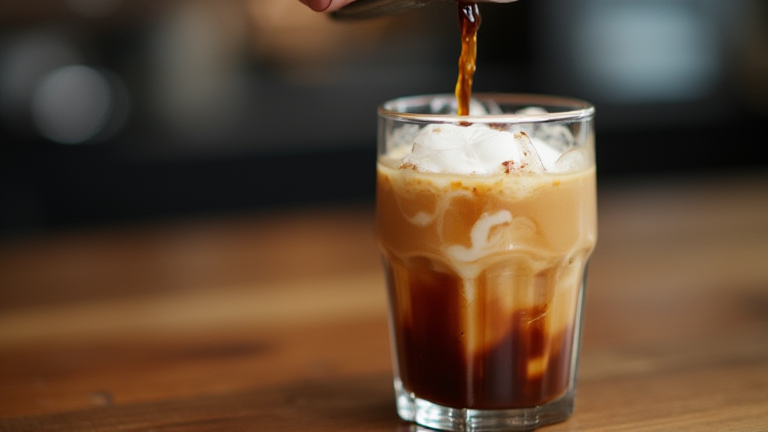
Why Cold Brew Is Replacing Latte Art as Coffee Shop Trend
TL;DR: Cold brew is overtaking latte art as the dominant trend because its lower production complexity and higher margin scalability align with modern consumer preferences for convenience and cost-efficiency. This shift is further accelerated by the post-pandemic demand for quick, customizable, and visually simple beverages that do not require the high-speed precision of traditional espresso-based drinks.
The landscape of the specialty coffee industry has undergone a significant transformation in recent years. While latte art was once the gold standard for showcasing barista skill and brand identity, it is increasingly being viewed as a logistical bottleneck rather than a competitive advantage. According to recent data from the National Coffee Association, cold brew sales have grown by over 40% in the last three years, outpacing the growth of hot espresso-based beverages. This surge is not merely a seasonal anomaly but a structural shift in how coffee shops operate and how consumers value their time.
The Efficiency Dividend
One of the primary drivers behind this shift is operational efficiency. Creating a high-quality latte with intricate art requires a barista to pull a precise espresso shot and steam milk to the exact micro-foam consistency, a process that can take several minutes per cup. In contrast, cold brew is prepared in bulk over 12 to 24 hours and requires minimal active preparation at the point of sale. For independent coffee shops facing labor shortages and rising wage costs, this efficiency is crucial.
Dr. Elena Rossi, a hospitality management professor at the University of Chicago, notes, “The economic model of the modern coffee shop is moving away from service-intensive rituals toward product-focused delivery. Cold brew allows establishments to maintain high throughput without sacrificing quality, which is vital for meeting the expectations of the mobile-first generation.” This expert insight highlights a broader trend where speed and consistency are valued over the theatrical performance of traditional barista work.
Consumer Preferences and Cost Sensitivity
Market data indicates that consumers are becoming more price-sensitive while simultaneously demanding higher quality. Cold brew often commands a premium price point that is more acceptable to consumers than the escalating costs of complex espresso drinks. Furthermore, the flavor profile of cold brew—typically smoother and less acidic—appeals to a wider demographic, including those who may find hot espresso too intense.
A 2023 survey by Nielsen found that 65% of coffee consumers under the age of 35 prefer iced beverages, with cold brew being the top choice among iced options. This demographic shift is forcing brands to adapt their menus. Major chains have responded by expanding their cold brew offerings, often introducing flavored variants like vanilla or caramel cold brews to mimic the sweetness of lattes without the complexity of milk steaming.
Future Predictions and Industry Outlook
Looking ahead, industry analysts predict that the distinction between “hot” and “cold” coffee will blur, with more shops offering hybrid drinks that combine the intensity of espresso with the smoothness of cold brew. However, the dominance of cold brew as the primary visual and marketing tool for coffee shops is likely to continue. Future trends may include the integration of technology, such as AI-driven ordering systems that optimize cold brew inventory based on real-time demand, further reducing waste and increasing profitability.
Experts suggest that while latte art will not disappear, it will become a niche offering, reserved for premium, sit-down experiences rather than the standard transaction. The future of coffee lies in convenience, consistency, and scalability, areas where cold brew excels. As the market continues to evolve, businesses that fail to adapt to this shift risk falling behind competitors who prioritize operational agility over traditional craftsmanship.
FAQ
Q: Is cold brew actually healthier than hot espresso?
A: Cold brew generally contains less acidity, which can be easier on the stomach, but it often has similar or slightly higher caffeine content per fluid ounce compared to espresso, so consumption should still be moderated.
If you want to dig deeper, check out our guide on How to Share Big Wins Online Without Looking Arrogant.
Q: Why are coffee shops reducing latte art displays?
A: Coffee shops are reducing latte art displays to increase service speed and reduce labor costs, as creating art requires significant time and skill that slows down the overall throughput of the shop during
Leave a Reply