TL;DR: Roast beef is not as carcinogenic as deli meat because it lacks the nitrates, nitrites, and preservatives used in processed deli products. While both are red meats, the cooking and processing methods for deli meat significantly increase the formation of potentially harmful compounds.
The Science Behind the Risk
When people hear “carcinogen,” they often think of processed meats like hot dogs and deli slices. The World Health Organization classifies processed meats as Group 1 carcinogens, meaning there is sufficient evidence that they cause cancer in humans, specifically colorectal cancer. This classification is largely due to the chemical processing involved. Deli meats are often cured with sodium nitrate and sodium nitrite. These compounds can react with amines in the meat during high-heat cooking or storage to form nitrosamines, which are potent carcinogens.
If you want to dig deeper, check out our guide on 10 Simple Daily Habits for Better Health & Longevity.
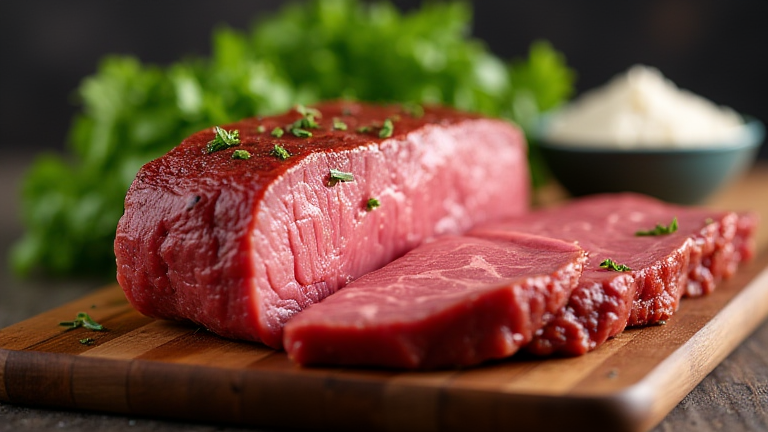
Roast beef, by contrast, is a minimally processed whole muscle meat. It is typically seasoned with salt, pepper, and herbs, but it does not undergo the curing process that introduces synthetic preservatives. While red meat itself is classified as Group 2A (probably carcinogenic), the risk is significantly lower than with processed varieties. The primary concern with roast beef is how it is cooked. Charring or grilling beef at very high temperatures can create heterocyclic amines (HCAs) and polycyclic aromatic hydrocarbons (PAHs). However, these compounds are not inherent to the meat itself but are a byproduct of extreme heat. Therefore, the inherent risk of roast beef is far lower than that of deli meat, which carries additional chemical risks regardless of how it is served.
Lifestyle Tips for Safer Consumption
You do not need to eliminate red meat from your diet, but you can make smarter choices to reduce health risks. First, prioritize whole, unprocessed cuts over cured or smoked varieties. When preparing roast beef, avoid charring. Cook it to a safe internal temperature without burning the exterior. Consider using marinades containing herbs like rosemary or thyme, which have been shown in studies to inhibit the formation of HCAs.
Second, balance your meals. Pair red meat with plenty of fiber-rich vegetables, fruits, and whole grains. Fiber helps move waste through the colon more quickly, reducing the time potentially harmful compounds are in contact with your intestinal lining. Finally, practice portion control. Aim to consume red meat no more than three times per week, and ensure those portions are moderate. Diversifying your protein sources by incorporating poultry, fish, legumes, and plant-based proteins can provide essential amino acids without the associated risks of frequent red meat consumption. By focusing on preparation methods and overall dietary balance, you can enjoy the taste of roast beef while minimizing potential health hazards.
FAQ
Q: Is all deli meat bad for you?
A: Not all, but most commercially available deli meats are processed and contain preservatives that increase cancer risk. Look for options labeled “uncured” or “nitrate-free,” though these may still contain natural sources of nitrates like celery powder.
Q: Does cooking method really matter for roast beef?
A: Yes. High-heat methods like grilling or broiling can create carcinogenic compounds like HCAs. Slow roasting or braising at lower temperatures minimizes the formation of these harmful substances while still yielding a delicious result.
Q: Can I replace deli meat entirely with roast beef?
A: Yes, swapping deli meat for fresh, whole-muscle roast beef is a healthier choice. However, it is still advisable to limit overall red meat intake and balance it with other protein sources to maintain a varied and nutrient-rich diet.
Leave a Reply