
How AI Agents Automate Enterprise Workflows
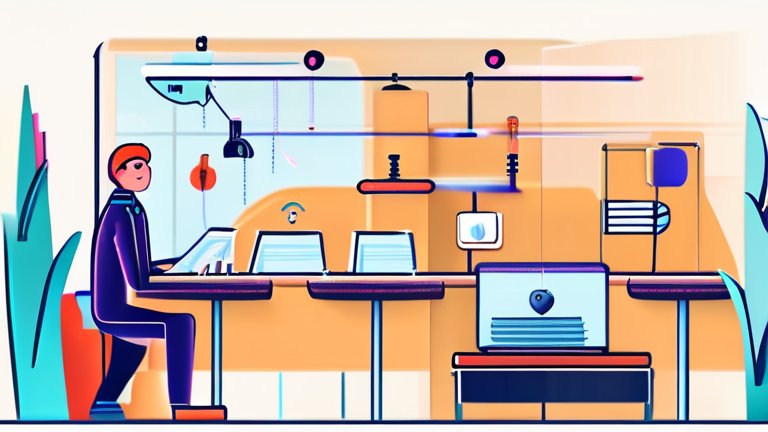
In the modern digital landscape, the integration of artificial intelligence into enterprise operations has shifted from a futuristic concept to an immediate necessity. AI agents, distinct from simple chatbots, are autonomous entities capable of perceiving their environment, reasoning through complex problems, and executing tasks with minimal human intervention. This transformation is not merely about speed; it is about reshaping the very fabric of organizational efficiency and, crucially, the well-being of the workforce.
For years, employees have struggled with repetitive, mundane tasks that drain cognitive resources and lead to burnout. These include data entry, scheduling meetings across time zones, and sorting through endless email chains. Science-backed research in occupational psychology suggests that high levels of monotonous work contribute significantly to mental fatigue and reduced job satisfaction. By deploying AI agents to handle these low-value activities, companies can reclaim valuable human hours. This automation allows professionals to focus on creative strategy, meaningful collaboration, and complex problem-solving—activities that are inherently more rewarding and less stressful.
The lifestyle implications are profound. When AI handles the administrative burden, employees experience a reduction in “context switching,” a phenomenon known to decrease productivity by up to forty percent. A smoother workflow means less frustration and a clearer mind at the end of the day. This shift supports better work-life balance, allowing individuals to disconnect from their devices earlier and engage in restorative activities. Whether it is spending time with family, exercising, or pursuing hobbies, the time regained from automated workflows is essential for mental health.
Moreover, the predictive capabilities of AI agents can help managers anticipate workflow bottlenecks before they cause stress. By analyzing historical data, these systems can suggest optimal resource allocation, preventing the last-minute rushes that lead to overtime and anxiety. This proactive approach fosters a healthier organizational culture where burnout is mitigated through structural support rather than individual resilience.
However, the transition requires careful management. Employees must be trained to view AI as a collaborative partner rather than a replacement. Clear communication about data privacy and ethical usage is vital to maintain trust. As enterprises continue to adopt these technologies, the focus must remain on human-centric design. The goal is not to replace human intelligence but to augment it, creating a synergistic environment where technology handles the routine, and humans thrive in their unique, creative capacities
Leave a Reply